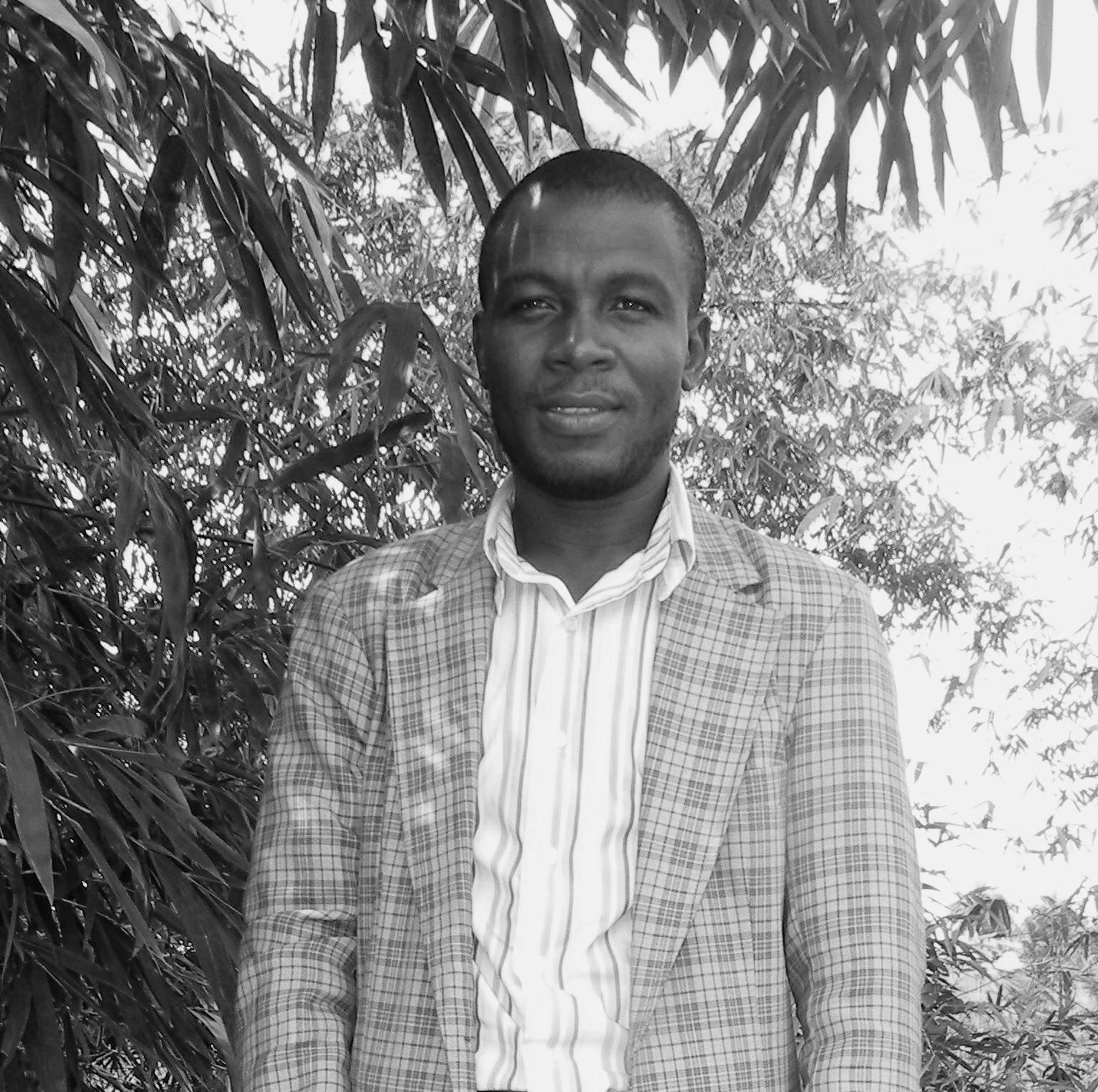
MONROVIA, LIBERIA – In a country long plagued by systemic corruption and the erosion of public trust in its governing institutions, any sign of improvement, however marginal, ought to be welcomed. But when progress is accompanied by persistent contradictions and glaring missteps, optimism quickly fades into cynicism. Anderson D. Miamen, a respected voice in civil society and Executive Director of the Center for Transparency and Accountability in Liberia (CENTAL), captured this troubling paradox in a public statement posted on his official Facebook page on Thursday, May 29, 2025.
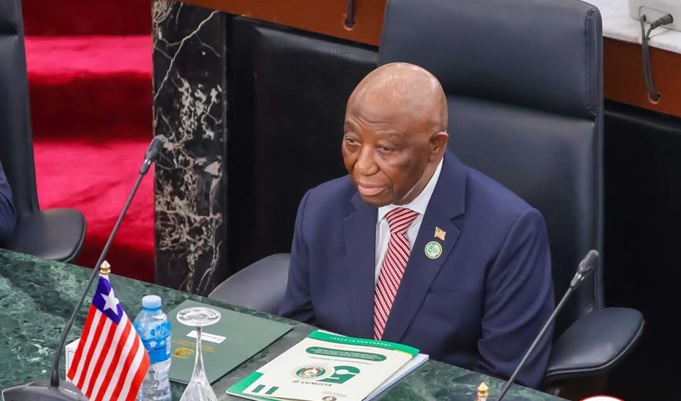
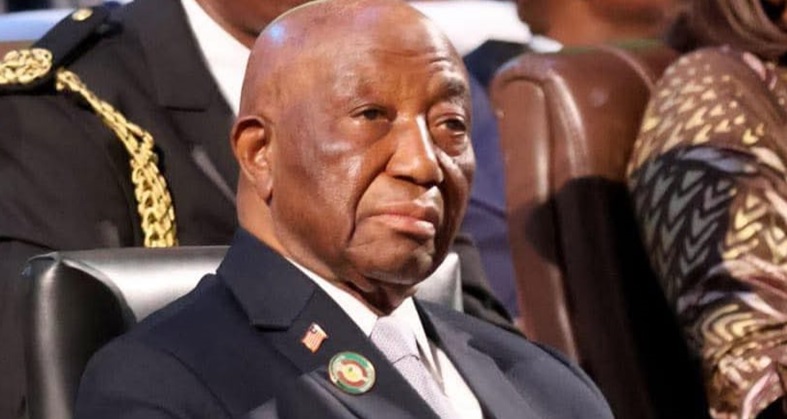
Miamen highlighted a slight upward movement in Liberia’s 2024 Corruption Perception Index (CPI), where the nation’s score rose from 25 to 27 under President Joseph Boakai’s administration. This followed a steady decline from a score of 32 in 2018 to 25 in 2023 under the previous Coalition for Democratic Change (CDC) government. The new score, though modest, signals that the current government has at least opened the door to tackling corruption. However, Miamen’s analysis does not stop at celebration. Instead, he delivers a stern warning that President Boakai is quietly sabotaging his own anti-corruption agenda through a mix of inaction, selective accountability, and questionable governance decisions.
The first red flag, as Miamen rightly points out, is the unresolved leadership situation at the Liberia Telecommunications Authority (LTA). Several commissioners continue to serve in acting roles, a clear violation of the principles of institutional independence and tenure protection. By leaving these positions in limbo, President Boakai invites speculation about whether he prefers a compromised leadership at LTA, one that is more loyal to his interests than to the law. Individuals acting indefinitely in roles designed for fixed terms are more likely to appease those in power rather than stand on principle. Such governance is not only weak, it is dangerous.
Second, and more troubling, is the case of Mr. Abdullai Kamara, the acting head of the LTA. According to a General Auditing Commission (GAC) report, Kamara was implicated in corruption more than a year ago. Strangely, despite this, he remains in his position, enjoying the full confidence of the President. This stands in stark contrast to the actions taken against his predecessor and others who were removed for similar accusations. If Boakai is to be taken seriously in his pledge to root out corruption, he cannot practice selective accountability. The rules must apply to all, regardless of status or personal ties.
The pattern of indifference continues with Mr. Dorr Cooper, who still serves as Inspector General at the Ministry of Commerce and Industry. Cooper was found liable for academic fraud by the University of Liberia, whose own investigators not only suspended but also dismissed university officials involved in the scandal. Yet, Cooper remains untouched, effectively shielded by the Boakai administration. His role, which demands high standards of integrity and transparency, is now tainted by unanswered questions and presidential silence. How does one credibly enforce accountability when such contradictions persist at the top?
Miamen’s final concern is perhaps the most bureaucratically bizarre. The Civil Service Agency (CSA), under the guise of promoting transparency, has taken to seizing and reallocating salaries and benefits from public officials who fail to declare their assets as required by the Code of Conduct. The CSA, an administrative body, has now assumed the role of enforcer, collector, and distributor. According to Miamen, this includes purchasing school chairs and other logistics, projects that are not within the agency’s legal mandate. Regardless of presidential approval, this practice violates the foundational principles of public financial management and sets a precedent for further overreach. Good intentions do not excuse bad process.
These examples, individually and collectively, point to a dangerous inconsistency at the heart of the Boakai administration. One cannot claim to be waging war on corruption while simultaneously rewarding allies, ignoring inconvenient audit findings, and allowing unqualified individuals to serve in sensitive public offices. These contradictions fuel public skepticism and erode whatever moral authority the government claims to possess.
President Boakai still has time to course-correct, but he must act decisively. Liberia cannot afford another administration that says all the right things while doing all the wrong ones. Real accountability demands courage, not comfort. It requires impartiality, not political favoritism. It calls for systemic reform, not selective punishment. If the President is truly committed to restoring public trust and building a legacy of integrity, then he must begin by cleaning up his own house. Anything less would not just undermine his anti-corruption efforts, it would render them meaningless.