A Column By Socrates Smythe Saywon
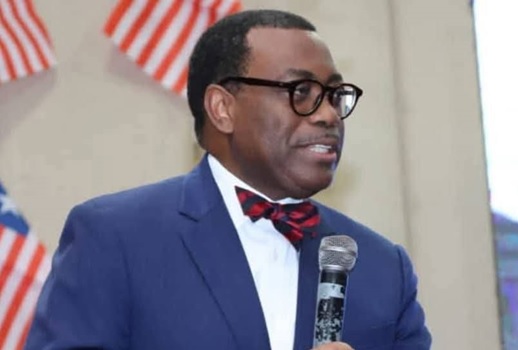
MONROVIA – On a day marked by both celebration and reflection, Dr. Akinwumi A. Adesina, the outgoing President of the African Development Bank (AfDB), delivered a message that pierced through the pomp and ceremony like a scalpel to a festering wound. Standing before members of President Joseph Nyuma Boakai’s cabinet at the launch of the Youth Entrepreneurship Investment Bank (YEIB), Dr. Adesina did not mince his words: “The resources of this country should not enter in the pockets of public officials who are to serve.” It was a pointed remark, but also a timely warning to a nation still grappling with the corrosive effects of corruption.
Dr. Adesina’s statement, made on Wednesday, July 23, 2025, during the High-Level Expanded Cabinet Meeting and Honoring Ceremony hosted by President Boakai at the Ministerial Complex in Monrovia, was more than just a soundbite. It was a clarion call for accountability, a direct appeal to Liberian leaders to resist the temptation of self-enrichment at the expense of national development. In a country where allegations of graft have become as routine as the rain, this message could not have come at a better time.
The launch of the YEIB, a laudable initiative aimed at empowering young Liberians through entrepreneurship and financial access, was intended to inspire hope and foster innovation. But hope, as noble as it may be, is not enough. Liberia has seen decades of well-intentioned programs stall or collapse due to bureaucratic inertia, mismanagement, or outright theft. That is why Dr. Adesina’s voice, backed by years of international development experience and continental leadership, carried more weight than any ribbon-cutting speech could.
President Boakai’s presence at the event, coupled with his decision to host the ceremony in honor of Dr. Adesina, suggests that the Liberian leader recognizes the symbolic and practical importance of such moments. But recognition alone is insufficient. The Boakai-Koung administration must move beyond ceremony and commit to the systemic reforms needed to ensure that initiatives like the YEIB do not become another short-lived experiment. The words of Dr. Adesina will ring hollow if they are not matched by action from the very officials he addressed.
The core of Dr. Adesina’s message was not new, but its urgency felt amplified in the context of Liberia’s current challenges. With a youth unemployment crisis, crumbling infrastructure, and a fragile health system, the country cannot afford to squander resources or tolerate mediocrity. The call for public officials to act as stewards, not siphons, of public wealth is a demand that speaks to the heart of Liberia’s long-standing governance crisis.
And yet, history is replete with instances where such warnings were ignored. From inflated contracts to ghost payrolls, Liberia’s public sector has too often operated as a marketplace of patronage rather than a vehicle for service. What Dr. Adesina demanded was a return to purpose, to the idea that public service is a sacred duty, not a personal investment opportunity.
In honoring Dr. Adesina, Liberia was not just acknowledging a man but embracing a set of values that he represents: integrity, transparency, and inclusive growth. These are the pillars upon which sustainable development is built. But if they are to take root in Liberia, then the Boakai administration must do more than applaud them. It must live them.
The ceremony was also a test of political will. Dr. Adesina’s remarks could have been politely ignored or diluted in vague pledges. But the real test lies in what follows. Will ministers scrutinize their budgets with fresh eyes? Will agencies open their books? Will young entrepreneurs actually see the fruits of the YEIB without political gatekeeping or administrative red tape?
Liberia stands at a crossroads. With international partners watching and citizens growing increasingly impatient, there is a narrow window for genuine reform. The presence of someone like Dr. Adesina, even briefly, can serve as a moral compass. But compasses only work if you choose to follow their direction.
Eventually, the success of initiatives like the YEIB and the broader vision of national development depends on whether leaders truly understand the difference between service and self-service. Dr. Adesina did not lecture. He reminded. And in that reminder was a powerful truth: public office is not a reward, it is a responsibility.
If President Boakai and his cabinet truly wish to leave a legacy of transformation, then they must begin by treating every dollar of public money as sacred, every opportunity for youth empowerment as urgent, and every warning from partners like Dr. Adesina as a mirror. The question is whether they will look into it or look away.