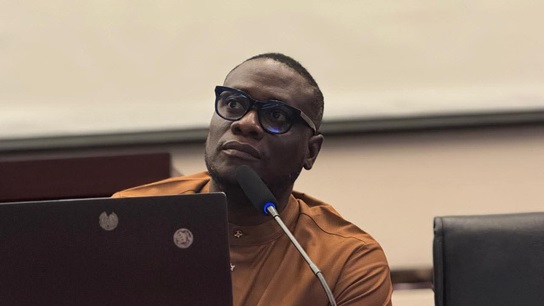
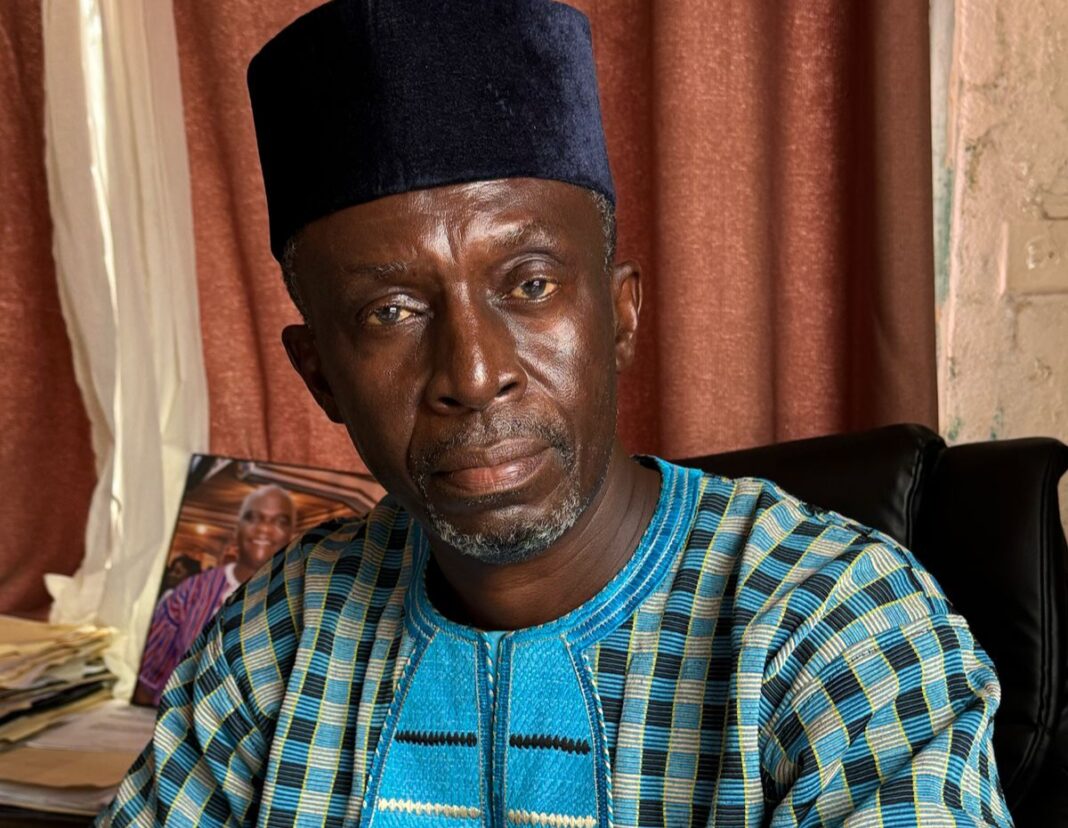
MONROVIA – Cllr. Tiawan Saye Gongloe, a former presidential candidate and human rights lawyer, has strongly criticized the Boakai-led administration for outsourcing key government services to foreign companies, warning that the practice undermines Liberia’s economy and national security. Speaking on Friday, September 12, 2025, Gongloe said the outsourcing of essential functions such as work permits, resident permits, driver’s licenses, and vehicle registrations effectively exports Liberian wealth to foreign entities.
In a statement, Gongloe cited CETIS Liberia Inc., a Slovenian company, which he said receives 40 percent of all fees collected for work permits. With the recent increase in work permit fees to US$3,000, CETIS stands to earn US$1,200 from each permit issued.
“This represents money that could be invested in essential services, such as paying our dedicated teachers, nurses, and police officers, but instead, it vanishes beyond our borders,” Gongloe said. “Outsourcing of government services is another form of legalized theft. Government is a place to serve, not to steal.”
He warned that outsourcing could reduce domestic revenue and increase unemployment, leaving more Liberians hungry and angry, which could threaten national peace and security. Gongloe said foreign firms, motivated by profit in revenue-sharing contracts, may prioritize quantity over quality, relax regulatory standards, and flood the labor market with foreign workers.
“Government’s policies, decisions or actions should serve to protect the interests of the Republic and its citizens, rather than support a profit-driven business model that thrives on high volume,” he emphasized.
Gongloe argued that true investors are those who add value to Liberia’s raw materials by creating local industries and sustainable jobs. He highlighted opportunities to process cocoa into chocolate, iron ore into steel, rubber into finished products such as tires and medical gloves, and timber into furniture. Such initiatives, he said, enhance exports, nurture skill development, and strengthen the economy.
He also noted that modernization does not require surrendering national control. “The Liberia Business Registry, while utilizing sophisticated foreign technology, still retains the essential responsibility of registering businesses and issuing certificates,” Gongloe said. “This serves as a model for us. We can invest in necessary tools and technologies while ensuring that power, data authority, and fee collection remain firmly in public hands.”
Gongloe concluded by reiterating that modernization should not come at the cost of Liberia’s sovereignty. “Outsourcing public service is not foreign investment. Modernization does not equate to surrender,” he said.