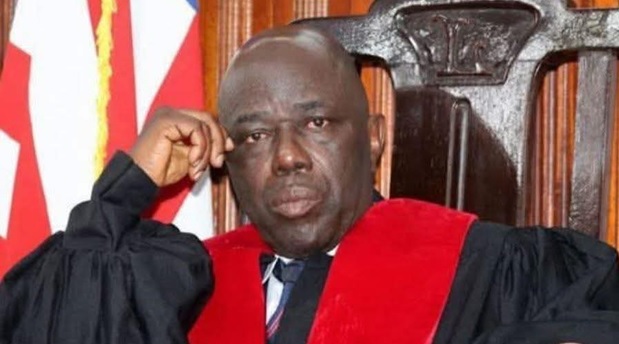
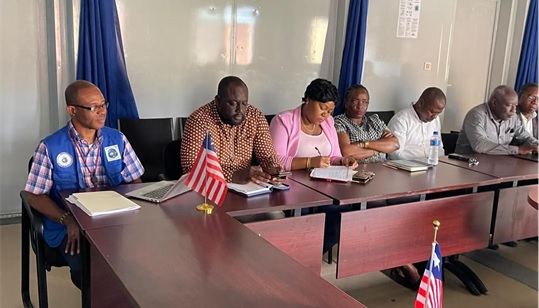
MONROVIA – A delegation from the World Bank’s Washington, DC, and Liberia offices met on Thursday, September 26, 2025, with the management of the National Public Health Institute of Liberia (NPHIL) at its headquarters in Congo Town, Monrovia, to review progress on the Health Security Project and discuss strategies to enhance the country’s overall health security. The meeting, led by NPHIL Director General Dr. Dougbeh Chris Nyan, focused on identifying key challenges in the implementation of the project and aligning practical recommendations to address them.
The discussions aimed to strengthen the effective execution of the Health Security Project, which seeks to bolster Liberia’s capacity to prevent, detect, and respond to diseases and other public health threats. The engagement underscored the importance of collaboration between national institutions and international partners to ensure sustained improvements in the country’s health system.
The meeting followed the successful conclusion of the 4th Emmet A. Dennis National Scientific Conference hosted by NPHIL, which ended on Friday, September 19, 2025, at the Ellen Johnson Sirleaf Ministerial Complex in Congo Town. The three-day event brought together scientists, public health professionals, policymakers, and international partners to discuss strategies for strengthening national capacities to respond to public health emergencies.
The conference, sponsored by organizations including the African Field Epidemiology Network (AFENET), Prevail, the Africa Centres for Disease Control and Prevention (Africa CDC), the World Health Organization (WHO), the U.S. Centers for Disease Control and Prevention (CDC), the Armed Forces of Liberia (AFL), and the Ministry of Agriculture, centered on the theme, “Strengthening National Capacities for Preparedness and Response to Diseases and Public Health Threats.” The theme highlighted the critical role of scientific collaboration and innovation in enhancing Liberia’s health security.
In his opening address, Dr. Nyan delivered keynote scientific remarks emphasizing the importance of building resilient health security systems in Liberia. He extended greetings to the international community, government officials, and Liberia’s scientific community, noting that the conference has become a key platform for advancing science, technology, and innovation in public health.
The meeting between NPHIL and the World Bank delegation marks a continuation of Liberia’s efforts to consolidate gains in public health preparedness and strengthen partnerships that ensure a safer and more resilient health system for all Liberians.