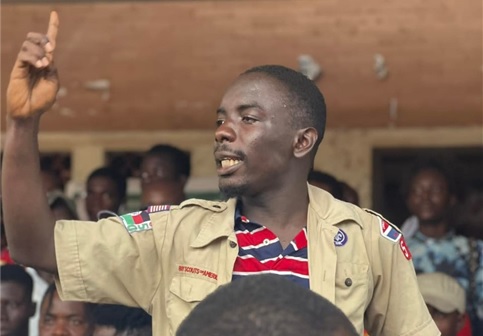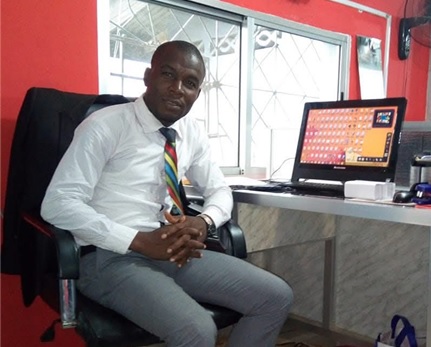
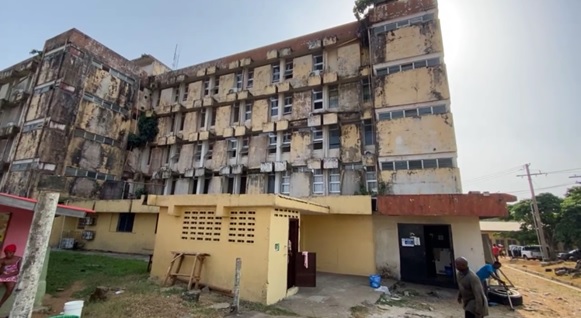
Liberia stands at a critical juncture. Across its campuses, students are refusing to accept half-measures, not because they seek disruption, but because they are tired of surviving in institutions that promise opportunity while denying dignity. The struggle is clear, with functioning classrooms, safe transport, running water in bathrooms, and faculty paid on time. Leaders of student movements, including voices like Emmanuel Polay Nyan, have made it clear that these demands are non-negotiable, emphasizing the urgency of meaningful reform across Liberia’s educational institutions.
The urgency of the situation has been underscored this week by the University of Liberia Faculty Association (ULFA), which announced an Emergency General Assembly (EGA) for Monday, September 29, 2025, at 11:00 a.m. on the Capitol Hill Campus. According to the announcement, the assembly will report on the mandate resulting from the previous EGA on August 29, 2025, which led to the disengagement of ULFA members from all academic activities. Full-time faculty members are being urged to attend, as the outcomes of the EGA are expected to chart the way forward for academic operations at Liberia’s leading institution. This development highlights the intersection of student advocacy and faculty activism, demonstrating a broad-based demand for institutional accountability.
To understand the stakes, one must consider Liberia’s broader economic reality. While modest growth has been reported, the benefits remain uneven. Poverty is widespread, public finances are strained, and ordinary Liberians face soaring food and fuel costs. The World Bank’s 2025 Country Economic Memorandum warns that Liberia’s growth is fragile, heavily reliant on volatile commodities, and unable to fully fund basic social services. Similarly, the IMF’s financial engagement emphasizes the need for disciplined reforms to ensure that growth reaches citizens.
Students experience these macroeconomic failures firsthand. Broken water systems, delayed faculty salaries, and interrupted semesters turn universities into symbols of frustration rather than engines of opportunity. Demanding working bathrooms or reliable transport is not radical; it is a call for the state to fulfill its most basic duties. When the government fails to provide essential services, civic action becomes inevitable, a fact consistently highlighted by student advocates like Nyan.
Political mismanagement compounds these structural challenges. Both the ruling Unity Party and the former ruling Coalition for Democratic Change (CDC) have demonstrated repeated failures in governance. Criticism of leadership is often dismissed as hostility, rather than accepted as an essential tool for accountability. Historical cycles of personalist rule and partisan conflict have eroded institutional strength, leaving ordinary citizens and students to bear the cost. Recent controversies over the removal of the Speaker of the House, Cllr. J. Fonati Koffa and the approval of national budgets under disputed authority only amplify public distrust.
The voices of students, guided by leadership such as Nyan’s, are not merely reactive; they are analytical and principled. They remind policymakers that the state belongs to the people and that failure to deliver basic services undermines both social cohesion and national development. Their advocacy is evidence-based, tying observable campus deficiencies to broader governance and fiscal challenges. This is why student protests are not just about bathrooms or buses; they are about demanding accountability in a system that has long normalized mediocrity. The upcoming ULFA Emergency General Assembly is poised to further amplify these demands, as faculty members prepare to discuss disengagement mandates, unpaid salaries, and ways to restore stability to academic activities.
International organizations have repeatedly emphasized the importance of translating macroeconomic programs into tangible outcomes. IMF and World Bank interventions provide fiscal stability, but if salaries remain unpaid and classrooms remain unsafe, such programs fail in the eyes of the citizens. African Development Bank reports similarly call for diversification and social investment to make growth inclusive. Leaders must prioritize operational reforms that directly impact students and faculty to restore trust.
The media also plays a crucial role. For years, poor facilities, hunger, and unpaid faculty were anecdotal complaints. Today, investigative outlets provide verified data, making it impossible for policymakers to ignore or dismiss these realities. By amplifying student advocacy and providing factual reporting, media institutions contribute to systemic accountability, ensuring that calls for reform are taken seriously. Nyan and other student leaders often reference these media reports to validate their advocacy and push for timely action.
Political elites, meanwhile, must learn that universities are not venues for partisan advantage. Student voices should be treated as stakeholders in national reform, not as instruments to be manipulated or silenced. Administrators and government officials must engage meaningfully by convening task forces including student representatives, publishing timelines for repairs and salary payments, and allowing independent oversight. Transparency and independent audits will build confidence far more effectively than rhetoric.
The responsibility also rests on students to maintain discipline and structure in their advocacy. Effective civic engagement combines moral clarity with practical solutions: clearly defined demands, realistic timelines, and actionable plans. By demonstrating constructive strategies, students can compel meaningful reform while maintaining public support. Leaders like Nyan have consistently emphasized this approach, showing that principled activism can coexist with constructive proposals for change.
Liberia’s current moment is both a test and an opportunity. Students are no longer willing to accept patronage disguised as governance; they demand service, transparency, and accountability. If the government answers with gestures or partisan recrimination, public cynicism will deepen. If it responds with visible, verifiable actions, paying salaries on time, repairing essential facilities, and improving campus conditions, it can begin to reclaim moral authority and legitimacy.
Emmanuel Polay Nyan and his colleagues exemplify the new generation of Liberians willing to hold the state accountable. Their struggle is grounded not in politics alone, but in the concrete realities that define daily life: education, dignity, and opportunity. The upcoming ULFA Emergency General Assembly serves as a critical juncture for faculty advocacy, reinforcing the joint urgency of student and faculty demands. Ignoring these voices risks not only civil unrest but the erosion of public trust, the most fragile commodity in Liberia’s governance.
In the end, the message is clear. Liberia’s leadership must rise to the challenge or be reminded that the people, particularly its youth and academic professionals, are the true custodians of power. Broken schools and unpaid faculty are more than administrative failures; they are symbols of a deeper leadership crisis that demands urgent attention. Student advocacy, amplified by principled voices like Nyan’s and supported by faculty action through ULFA, provides both warning and roadmap. Liberia can choose reform, or it can continue a cycle of neglect that history will not forgive.