The recent reemergence of the controversial ETON and EBOMAF loan agreements should alarm every Liberian who cares about fiscal prudence, transparency, and the rule of law. These two deals, worth nearly US$1 billion combined, were once rejected by the Liberian Senate over serious legal and financial concerns. Yet today, they appear to be slowly creeping back into national discourse, this time under the watch of President Joseph Boakai’s administration. The government’s silence in response to inquiries from the companies is not just concerning; it is dangerous.
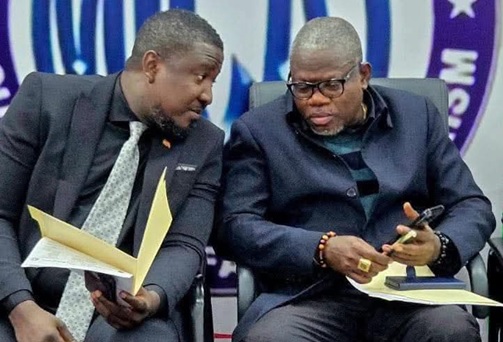
New information reveals that ETON Finance PTE Ltd. and EBOMAF S.A., through their legal counsel Cllr. Johnny Momo, recently wrote the Ministry of Justice, headed by Cllr. Oswald Tweh, seeking an official status update on their loan agreements signed under the previous administration. The ministry has reportedly not responded, leaving observers to wonder whether the silence is tactical, negligent, or indicative of behind-the-scenes maneuvering.
To understand why this moment is so critical, we must revisit the history of these agreements. In 2018, the George Weah administration signed the ETON loan worth approximately US$536 million, aimed at rehabilitating and constructing more than 500 kilometers of road networks across southeastern Liberia. Around the same time, a separate US$420 million agreement was signed with EBOMAF, a Burkinabé construction company owned by Mahamadou Bonkoungou, to fund additional urban and inter-county road projects. EBOMAF was not only to construct but also finance the roads, raising immediate red flags about conflict of interest and financial capacity.
Civil society actors, independent media, and segments of the Legislature swiftly questioned the legitimacy of these deals. ETON’s financial structure was opaque, its physical presence dubious, and its capacity to disburse half a billion dollars unproven. EBOMAF’s dual role as financier and contractor went against best procurement practices and raised concerns about inflated costs and limited accountability. These were not just technical concerns, they were warnings about potential state capture through shady financing arrangements.
By 2021, those warnings were taken seriously. The Plenary of the Liberian Senate instructed the Ministries of Public Works, Justice, and Finance to terminate or cancel the two concession agreements. This followed a damning report from the Senate’s Judiciary Committee, which concluded that the agreements were not in line with proper legal procedures or international standards. The Committee also warned that proceeding with the deals as structured would expose Liberia to massive future financial liabilities, essentially mortgaging the country’s fiscal future for questionable projects.
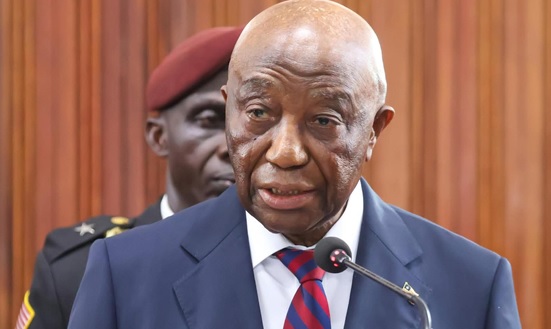
Given this backdrop, the Boakai administration’s silence is not neutral. It is a policy decision with consequences. Failing to clearly state the government’s position on the ETON and EBOMAF agreements opens the door for pressure, litigation, or quiet renegotiations that could lock Liberia into unfavorable terms. It also sends a troubling signal about the administration’s commitment to transparency and fiscal discipline, principles President Boakai pledged to uphold.
Liberia’s economic context makes this issue even more pressing. The country is already grappling with significant budget shortfalls, limited revenue generation, and a fragile debt situation. Committing to nearly US$1 billion in questionable financing arrangements without clear due diligence would be nothing short of reckless. If anything, the Boakai administration should be focusing on strengthening domestic revenue mobilization, attracting credible investment, and reforming procurement, not reviving deals that were already discredited.
Moreover, revisiting ETON and EBOMAF would undermine legislative authority. The Senate has already acted on these agreements, issuing clear instructions for their termination. Any attempt by the executive to quietly reopen negotiations without legislative scrutiny would not only be a legal affront but could deepen public distrust in governance.
The administration should also consider the reputational risk. Liberia has made some progress in rebuilding its image as a country striving for accountability and transparency after years of war and mismanagement. Endorsing or renegotiating deals with dubious financial actors would tarnish that progress and could deter credible investors who expect clear legal frameworks and responsible fiscal management.
President Boakai’s team must therefore act decisively. First, the Ministry of Justice should formally respond to ETON and EBOMAF, clearly stating the government’s position that the agreements were terminated and will not be revived in their current form. Second, the administration should make all relevant documents public to avoid speculation and ensure that citizens and lawmakers are fully informed. Finally, any future infrastructure financing must be pursued through transparent, competitive, and legally sound processes.
Liberia cannot afford another round of poorly structured mega-deals that enrich a few and burden generations. The lessons from ETON and EBOMAF are clear: opacity breeds liability, and silence invites exploitation. President Boakai must resist any temptation or pressure to step back into this fiscal trap.