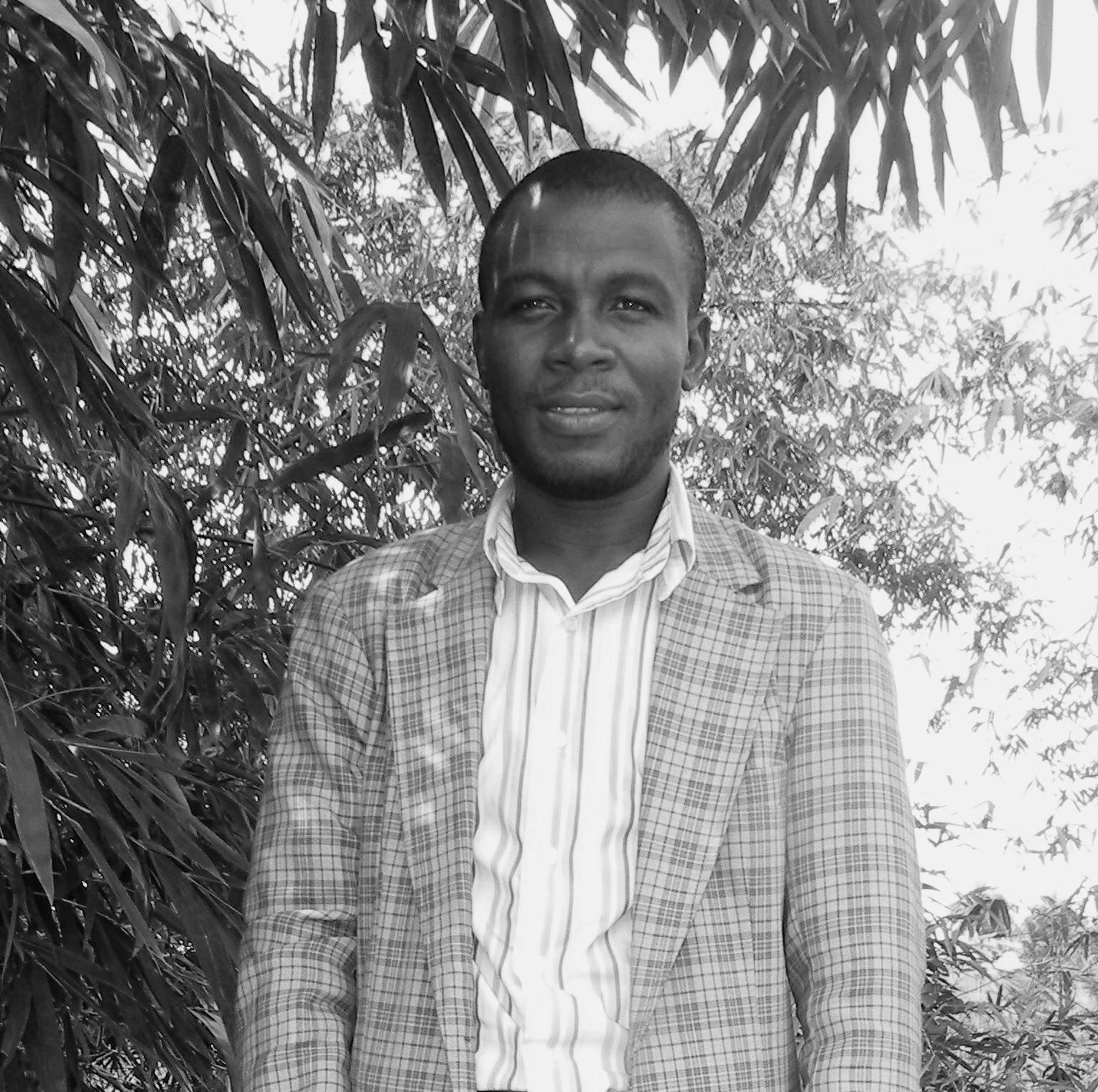
MONROVIA – Exiled Liberian activist Martin K. N. Kollie has sent a letter to former Speaker J. Fonati Koffa and other high-ranking government officials, alleging that over US$66 million from the national budget has been largely mismanaged or spent on what he calls “public waste.” In the letter, dated October 22, 2025, and addressed from The Hague, Netherlands, Kollie accused Liberia’s lawmakers of prioritizing personal gain over the welfare of ordinary citizens.
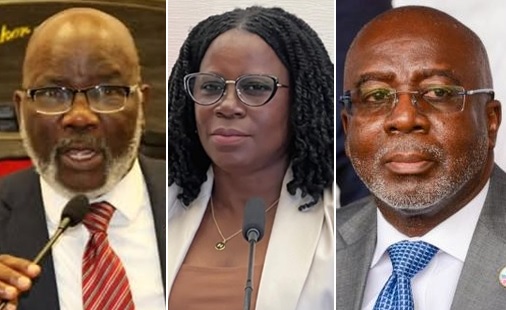
Kollie’s letter was addressed not only to ex-Speaker Koffa but also to Senate Pro Tempore Nyonblee Karnga-Lawrence, House Speaker Richard Nagbe Koon, and several senior government officials, including President Joseph Nyumah Boakai. “Why are you allowing this to happen when millions of Liberians, including civil servants, are suffering, underpaid, and jobless?” Kollie wrote, sharply questioning the priorities of Liberia’s elected leaders.
The activist provided a detailed breakdown of the alleged waste, highlighting salaries, committee meeting costs, vehicles, constituency visits, entertainment, fuel for vehicles and generators, and public accounts committee meetings as key budget lines. According to Kollie, the total for these eight categories in fiscal years 2024 and 2025 amounted to US$66,721,982.
Kollie noted that the 103 elected lawmakers receive US$23.9 million in salaries alone, averaging US$232,186 per legislator. “As though this is not enough, see what they put there again for themselves,” he wrote, referring to additional allocations for meetings, vehicles, fuel, and other expenditures. “Did you come to lead or to loot? Did you come to serve or to steal?”
The activist specifically referenced committee meetings and constituency visits, which he says together totaled over US$26 million for the two-year period. Vehicle purchases and operational costs, including fuel for vehicles and generators, were estimated at more than US$9.7 million. Kollie emphasized that such spending represents “state looting” amid increasing hardship and unemployment in Liberia.
In his letter, Kollie criticized the government’s allocation of funds to programs like the Social Safety Net (SSN), arguing that the US$25 million cited for such initiatives could have been sourced from the alleged US$66.7 million waste. “The suffering in Liberia is artificial. It is man-made. The People of Liberia have to stand up and demand radical reform henceforth,” he wrote.
Kollie framed the alleged misuse of funds as symptomatic of broader governance challenges in Liberia. “This is State pillaging by a few greedy, corrupt, and insensitive politicians. It has to stop now because our people deserve far better. 178 years on a journey to nowhere is enough,” he stated, calling for what he described as a “reset button” on governance.
The activist also raised questions about accountability mechanisms, urging lawmakers and government officials to publicly justify their spending. He warned that failure to address these issues would further erode public trust in Liberia’s institutions and perpetuate inequality and suffering.
Kollie’s communication is part of a growing chorus of criticism from Liberian civil society regarding transparency and oversight in government spending. He called on citizens to actively monitor budget allocations and demand that their leaders prioritize national development over personal enrichment.