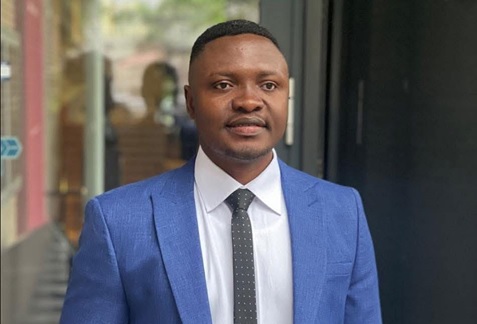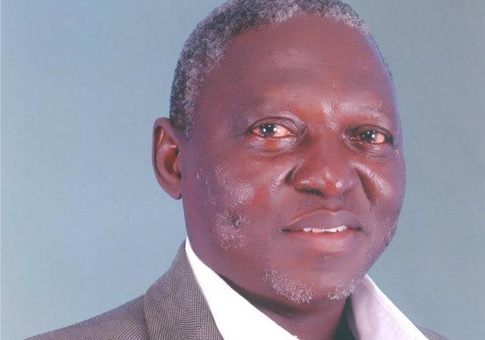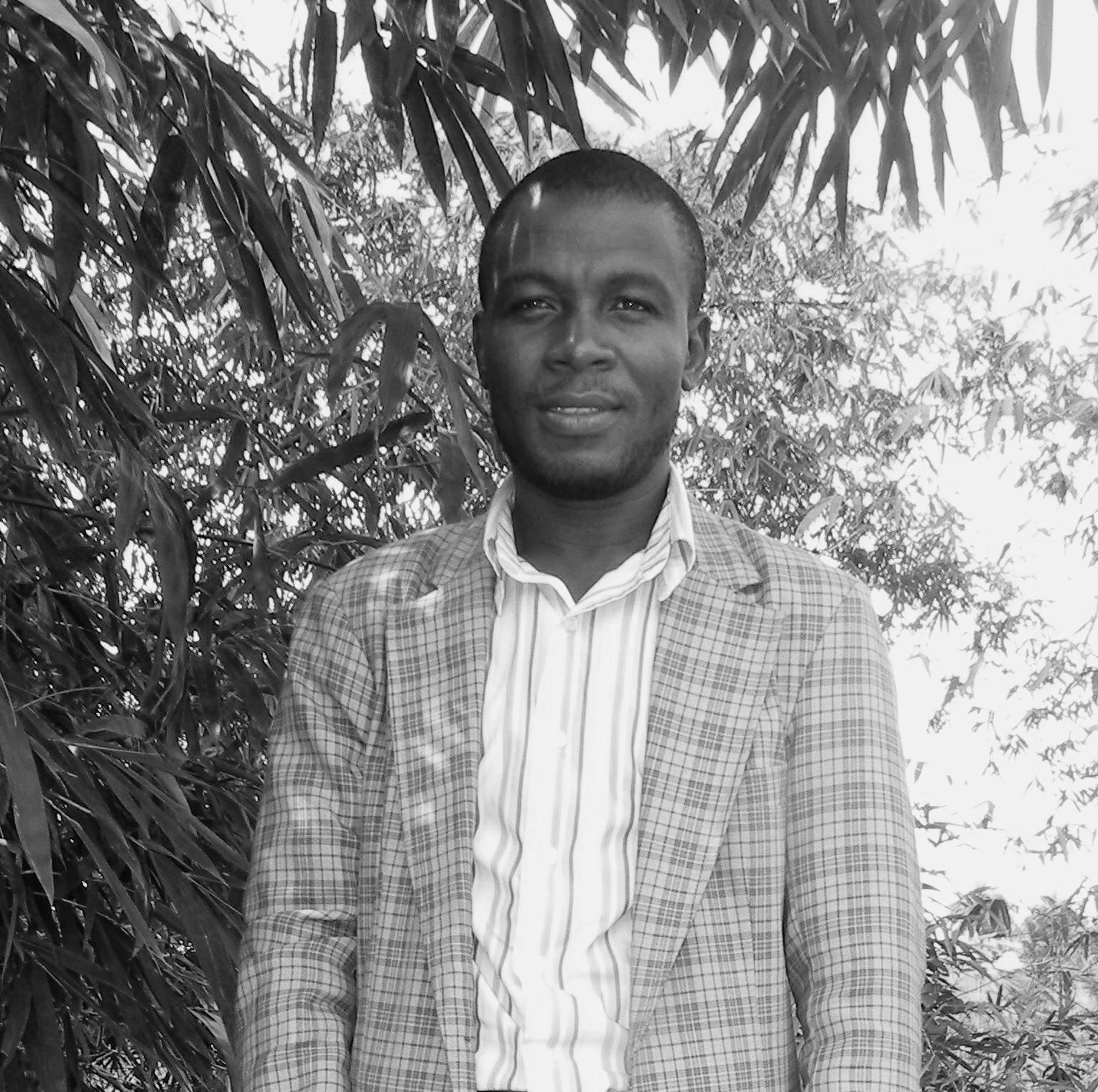
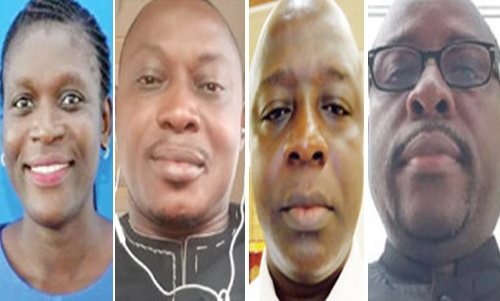
MONROVIA – The deaths of four auditors in Liberia during October 2020 remain a painful and unresolved chapter in the country’s battle with corruption and institutional impunity. Over a period of eight days, Gifty Asmah‑Lama and Albert Peters of the Liberia Revenue Authority (LRA) died after being found in a parked car on Broad Street in Monrovia. Then George Fanbutu of the same agency died in a reported car crash, and Emmanuel Barten Nyeswua, then head of the Internal Audit Agency (IAA), died after what was officially described as a fall from height. The deaths of these auditors occurred during the former regime of the Coalition for Democratic Change (CDC) of former President George Weah, a fact that has fueled public suspicion about the political motivations behind their deaths.
At the time, critics, including the Institute of Internal Auditors (IIA), warned that these deaths could be more than mere accidents, given that all four individuals were engaged in audits linked to allegations of misappropriation of public funds. The IIA wrote to the U.S. State Department urging support for an investigation. In the months since, many Liberians remain unconvinced that the official explanations, ranging from carbon monoxide poisoning to accidental falls, capture the full truth.
In October 2023, presidential candidate Joseph Nyuma Boakai pledged that, if elected, his government would investigate and prosecute the perpetrators behind those deaths. Yet, as of March 2024, the country’s law enforcement, including the Liberia National Police (LNP) under Inspector‑General Gregory Coleman, remains criticized for its inability to close the cold cases. The public is left asking: what is the status of those investigations today, more than a year later?
The death of Gifty Lama and Albert Peters stands out for its eerie scene: both found in the same vehicle, Lama with a broken neck and Peters without his trousers. Their bodies were discovered on Broad Street behind Sacred Heart Cathedral. An autopsy concluded that both died of carbon monoxide poisoning from gasoline fumes and a defective exhaust system. Yet family members rejected elements of the official version, boycotting government‑arranged autopsies and voicing fears of foul play.
The death of George Fanbutu is officially attributed to a car crash on the 72nd Boulevard. However, media reports and local witnesses allege the possibility of a chase by men on motorbikes and a machete attack, leading to loss of control of his vehicle. Meanwhile, Emmanuel Barten Nyeswua’s demise came after he reportedly fell from a second‑floor bedroom door that led to a 13‑foot drop. The autopsy cited massive hemorrhage and blunt injuries consistent with a fall, but observers note that the circumstances raised as many questions as answers.
Despite early promises of transparency and justice, none of the four cases has been publicly resolved in a manner that satisfies civil‑society demands for accountability. A March 2025 meeting between House Speaker Richard Nagbe Koon and the victims’ families suggested renewed pledges to pursue justice, yet concrete milestones remain scarce. Activist groups contend that the failure to release full investigation reports has deepened public distrust and signalled that powerful interests may be shielding themselves.
At the heart of the issue lies a broader challenge for the Liberian state: can national institutions such as the LNP, the Justice Ministry, and the auditors themselves ever be shown to operate free of political interference? The deaths of individuals charged with exposing corruption strike at the core of governance and impunity. One analyst noted that if the deaths are more than coincidence, they represent “an assault on society and democracy.”
For ordinary Liberians, the unresolved nature of the cases undermines faith in public institutions. Families of the deceased continue to live with trauma, fear, and suspicion, while few practical steps have been taken to honour their loved ones with justice. As the country enters a period of renewed focus on transparency and reform, these glaring omissions are a test of the new administration’s commitment to anti‑corruption and accountability.
Questions also remain about the investigative capacity of Liberia’s police force. Critics argue that the LNP lacks both the resources and expertise to thoroughly examine complex cold cases, particularly those with potential political motivations. The unresolved deaths have fueled speculation that the victims may have been targeted due to their work auditing high-level government transactions during the CDC-led administration of former President George Weah.
In the end, the deaths of Lama, Peters, Fanbutu, and Nyeswua continue to haunt Liberia’s audit and accountability architecture. Until the government and law enforcement agencies provide definitive answers and bring those responsible to justice, these cases will remain a symbol of the gaps in Liberia’s pursuit of transparency and the ongoing struggle against institutionalized corruption.