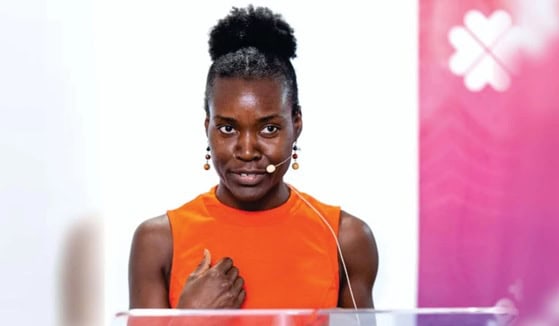
MONROVIA – Liberian scholar Dr. Robtel Neajai Pailey has ignited a national debate by condemning President Joseph Boakai’s administration for agreeing to host Salvadoran‑American deportee Kilmar Abrego García, calling the policy a betrayal of Liberia’s historic identity as a refuge for the oppressed. In an op‑ed commentary published on Al Jazeera on November 7, 2025, Pailey described the decision as “forced deportation diplomacy,” warning that Liberia risks complicity in U.S. deportation policies that she alleges are racially motivated.
According to Pailey, the government’s acceptance of García cannot simply be framed as an act of humanitarian generosity. “By agreeing to host García,” she wrote, “Monrovia betrays Liberia’s unique history as a haven for Black migrants fleeing racism in the United States.” Her commentary emphasizes that Liberia, founded as a sanctuary for the oppressed, is now participating in a process that undermines that legacy.
The controversy centers on García, who was deported from the United States despite ongoing legal challenges and court interventions. U.S. authorities have described his return to Liberia as part of a broader program of relocating migrants to third countries. Pailey criticized this arrangement, suggesting that Liberia may be trading its moral authority for short-term diplomatic or geopolitical favor.
The Boakai administration, however, defended its decision, portraying it as a voluntary, temporary, and humanitarian act. Information Minister Jerolinmek Matthew Piah stated that Liberia is coordinating with U.S. authorities, United Nations agencies, and other partners to ensure García’s rights are fully respected while exploring long-term resettlement options. The government emphasized that the decision reflects shared values of humanity, freedom, and justice.
Dr. Pailey, a renowned scholar of citizenship, development, and race, has repeatedly highlighted policies that she believes perpetuate neocolonial hierarchies. In her Al Jazeera commentary, she framed Liberia’s acceptance of García as deeply ironic: a country established as a refuge from U.S. racism is now appearing to comply with a deportation strategy she describes as coerced and racially biased.
While Liberia may benefit diplomatically from hosting García, Pailey warns that such gains come at a moral cost. She noted in the commentary, “Countries that opt to take in deportees surely must be leveraging this diplomatically to secure concessions of their own.” Critics of Pailey’s view argue that her assessment oversimplifies the Boakai administration’s intentions, which the government maintains are guided by humanitarian concerns and international cooperation.
The debate has stirred reactions among civil society groups and the public. Many Liberians see the episode as part of a broader challenge: balancing national sovereignty with complex postcolonial relationships with the United States. Pailey argues that the issue is not merely about one individual, but about Liberia’s foreign policy ethics and commitment to its founding principles.
Political observers note that past remarks by President Boakai have contributed to skepticism. In February 2025, he was criticized for comments regarding diaspora Liberians amid deportation concerns, which some viewed as insensitive. Pailey’s commentary now adds urgency to questions about whether Liberia’s diplomatic decisions prioritize transactional benefits over moral and historical obligations.
In defending the policy, the Boakai administration insists it acted in full compliance with Liberia’s laws and international standards. Officials argue that the acceptance of García is temporary, intended to protect his welfare, and executed in consultation with global partners, underscoring a commitment to due process and humanitarian principles.
As the controversy deepens, Liberia faces a critical choice: assert its sovereignty and uphold its historical mission as a sanctuary for the oppressed, or allow pressure from U.S. deportation policies to dictate its diplomatic posture. For Dr. Pailey, the stakes extend beyond politics into the moral and symbolic foundations of Liberia’s identity.