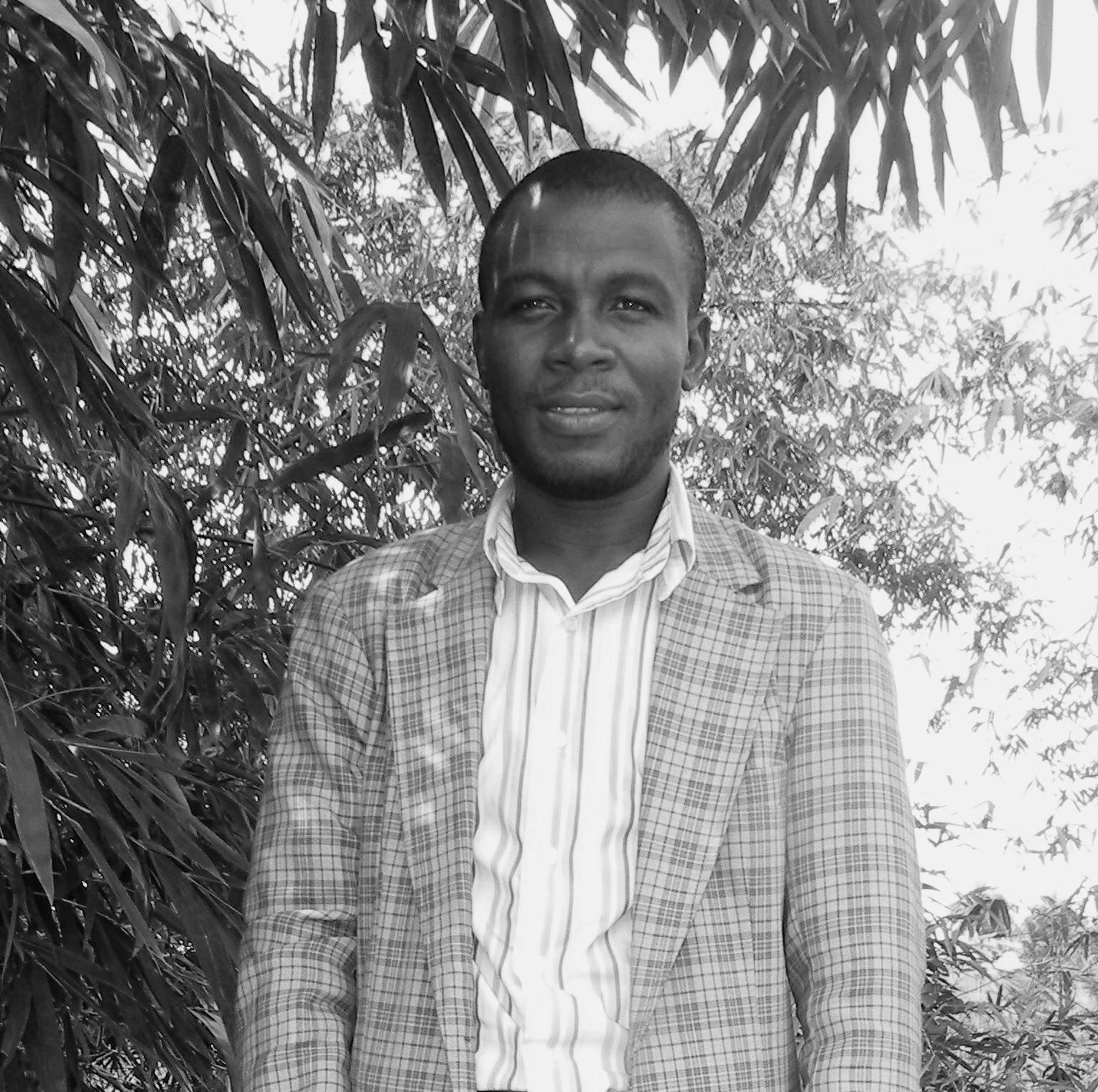
MONROVIA – Veteran Liberian publisher and political commentator Philipbert Semogai Browne has described the National Security Agency (NSA) as an invisible but indispensable pillar of national stability, arguing that its expanded mandate and recent budget increase reflect both its complexity and its necessity. In an extensive commentary titled From Where I Sit, Browne characterized the NSA as “the ghost that keeps Liberia safe,” emphasizing the institution’s covert strength and far-reaching intelligence architecture.
Browne traced the origins of the NSA to the 1974 merger of two powerful security institutions: the National Bureau of Investigation (NBI) and the Executive Action Bureau (EAB). According to him, the NBI was responsible for overt and covert investigations, while the EAB carried out clandestine activities on behalf of the Executive. He noted that the act approved on May 20, 1974, effectively repealed sub-sections of the Executive Law and consolidated both bodies into what became the modern National Security Agency.
In his commentary, Browne stressed that the NSA was designed from inception to operate in deep secrecy. He described it as “the lone ranger among Liberia’s security apparatus,” entrusted with gathering intelligence both inside and outside Liberia’s borders. He added that its level of secrecy is so profound that “no one knows the actual inner workings of the Agency,” including the full number of employees, intelligence officers, informants, analysts or foreign partners connected to its operations.
He argued that the agency is “larger than life,” deliberately compartmentalized, and built on the strict principle of operating only on a need-to-know basis. Browne said this structure ensures that even those with the highest security clearances are only exposed to fragments of the agency’s total intelligence map, which he believes is critical to maintaining national security.
Browne outlined the NSA’s core mission as the gathering and processing of intelligence that may threaten Liberia or its allies. He explained that once intelligence is analyzed, it is disseminated to relevant institutions such as the Executive Mansion, Liberia National Police, Drug Enforcement Agency, Bureau of Immigration and Naturalization, and the Armed Forces of Liberia. These entities then act on the information as required.
He detailed the internal threats monitored by the agency, including treason, espionage, domestic terrorism, sedition, insurgency, and attacks on government officials or infrastructure. He added that threats from outside Liberia also fall under the NSA’s jurisdiction, especially those affecting the Mano River Union, ECOWAS, the African Union and the United Nations.
Browne emphasized that the NSA works closely with international partners, sharing intelligence on issues ranging from terrorism to global criminal syndicates. “Knowledge is like an oak tree, that no one man’s hands can engulf it,” he quoted, to illustrate the agency’s reliance on collaborative security networks.
In addition to its political and security intelligence duties, Browne said the NSA also investigates transnational organized crimes, including drug trafficking, human trafficking, weapons smuggling and cybercrime. He maintained that these threats require sophisticated surveillance and global coordination, reinforcing why the agency remains a critical institution.
The commentator underscored that the NSA operates directly under the supervision of President Joseph Nyuma Boakai, through the Minister of State. He noted that on May 1, 2024, President Boakai appointed Retired Major General Prince Charles Johnson III as Director of the NSA following Senate confirmation.
Browne described Johnson as a “seasoned, disciplined and well-trained military officer” who spent more than 17 years rising through the ranks of the Armed Forces of Liberia (AFL) to become its Chief of Staff. He said the retired general brings “wealth of experience, knowledge and wisdom” to the security agency at a time when Liberia’s security landscape continues to evolve.
He referenced Johnson’s extensive military training, including his graduation from the Officer Candidate School in 2007, attendance at the U.S. Army Command and General Staff College in Kansas, and training programs in China and Sierra Leone. Browne emphasized that these credentials position Johnson strongly to lead the NSA.
He also listed several of Johnson’s military decorations, including the Forces Service Star, Forces Service Ribbon, Land Forces Command Medal and General Operations Medal. Browne argued that such distinctions demonstrate the new director’s competence and deep familiarity with both national and international security systems.
In the final section of his commentary, Browne shifted to the NSA’s budget. He recounted a conversation in which someone questioned the justification for the agency’s increased appropriation. Reacting sharply, he wrote, “Before I got distracted and overwhelmed by the huge and overbearing task of the NSA, what were you saying, my young man? That they increased the Agency’s budget from US$14.6 million to US$22 million?”
Browne called the increase “excellent and amazing news,” insisting that it was long overdue. He argued that the agency’s size, responsibilities and strategic importance justify the larger allocation, adding that any debate over its budget should end once the scope of its work is properly understood.
He concluded by asserting that Liberia’s security architecture cannot function without a well-funded intelligence agency, reiterating that the NSA remains the unseen but essential guardian of the state. According to him, the agency operates in the shadows by design, ensuring that citizens can go about their daily lives without the burdens of unseen threats.