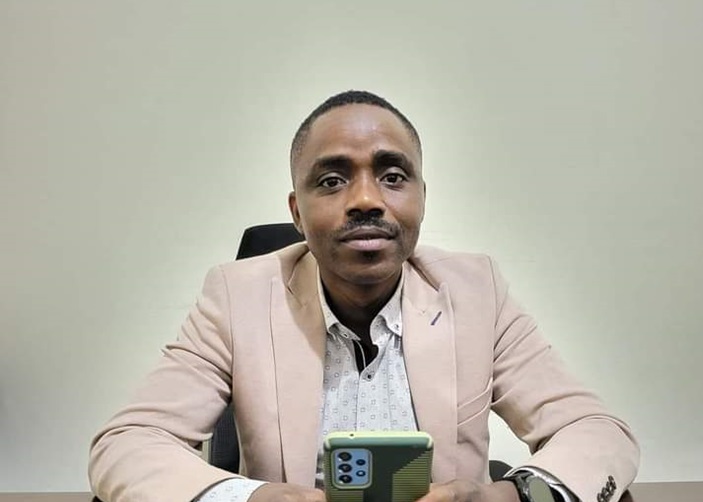
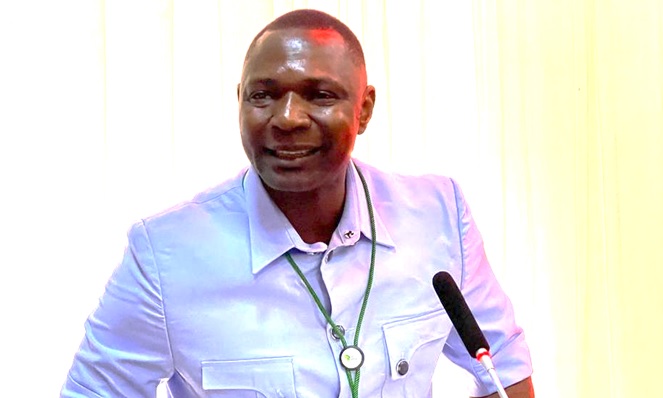
MONROVIA – Former Secretary General of the Press Union of Liberia (PUL), D. Kaihenneh Sengbeh, issued a strong advisory on Tuesday, November 18, 2025, urging journalists to maintain professional integrity and avoid partisan bias in their reporting and public engagements. In a detailed commentary titled “Journalists and ‘Taking Sides Wahala’”, Sengbeh highlighted the delicate balance journalists must maintain between personal political views and public professionalism.
Sengbeh emphasized that while journalists are entitled to personal opinions, these views must not be displayed publicly through social media, newspapers, radio, or any other platform. “You can hold personal political views, but keep them away from your public stage, from your radio microphone, your newspaper space, your online platforms, and especially your social media pages,” Sengbeh stated. He argued that public perception of partisanship can undermine credibility, regardless of a journalist’s actual fairness in reporting.
According to Sengbeh, a journalist is perceived as taking sides when they openly praise politicians, share political propaganda, mock opponents, or engage in partisan debates. Even seemingly small actions, such as using emojis, hashtags, or publicly reacting to political posts, can signal bias. “Your stories sound biased, even when they are fair, balanced, and professionally done,” Sengbeh noted.
The veteran journalist cautioned that credibility is the cornerstone of journalism. Once the public perceives bias, all content produced by that journalist is likely to be scrutinized and doubted. Sengbeh stressed that this perception issue is especially critical for young journalists entering Liberia’s competitive media landscape.
He also highlighted the lessons from sociologist Erving Goffman, explaining that journalists must separate their personal and professional lives. The “front stage,” the public-facing role, must remain clean and credible, while the “backstage” can safely accommodate personal opinions. Sengbeh’s guidance aims to prevent professional missteps that could damage both individual careers and the broader reputation of Liberian media institutions.
Sengbeh expressed concern over the increasing influence of social media on public perception, noting that online interactions often blur the line between personal expression and professional responsibility. He urged journalists to exercise caution when commenting on political matters or engaging with controversial online content, as even minor engagements could be interpreted as partisan support.
He also drew attention to the trend of journalists openly endorsing political candidates, engaging in online debates, and sharing unverified political information. Such actions, Sengbeh warned, erode trust in the media and compromise the journalist’s role as an impartial informant of the public.
Sengbeh called on media houses and journalism educators to strengthen training on ethics and impartiality. He emphasized that proper adherence to professional standards safeguards public trust and ensures that news remains credible and accurate. “Journalism survives on public trust. Once people see you taking sides, that trust begins to fade,” he said.
The former PUL Secretary General reminded journalists that their power lies in information, context, and balanced analysis, not in partisan advocacy. Maintaining this standard, he argued, is crucial for Liberia’s democratic discourse and for protecting the integrity of the country’s media institutions.
Sengbeh concluded by urging all journalists to uphold ethical standards, resist the temptation of public partisanship, and prioritize the public’s right to fair and impartial information. “Avoid practices that weaken your credibility. Your duty is to the people, not to political parties,” he stated. His guidance comes at a critical time as Liberia continues to navigate political polarization and an increasingly complex media environment.