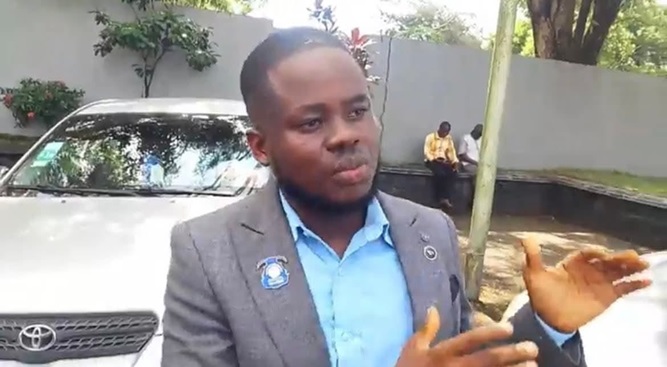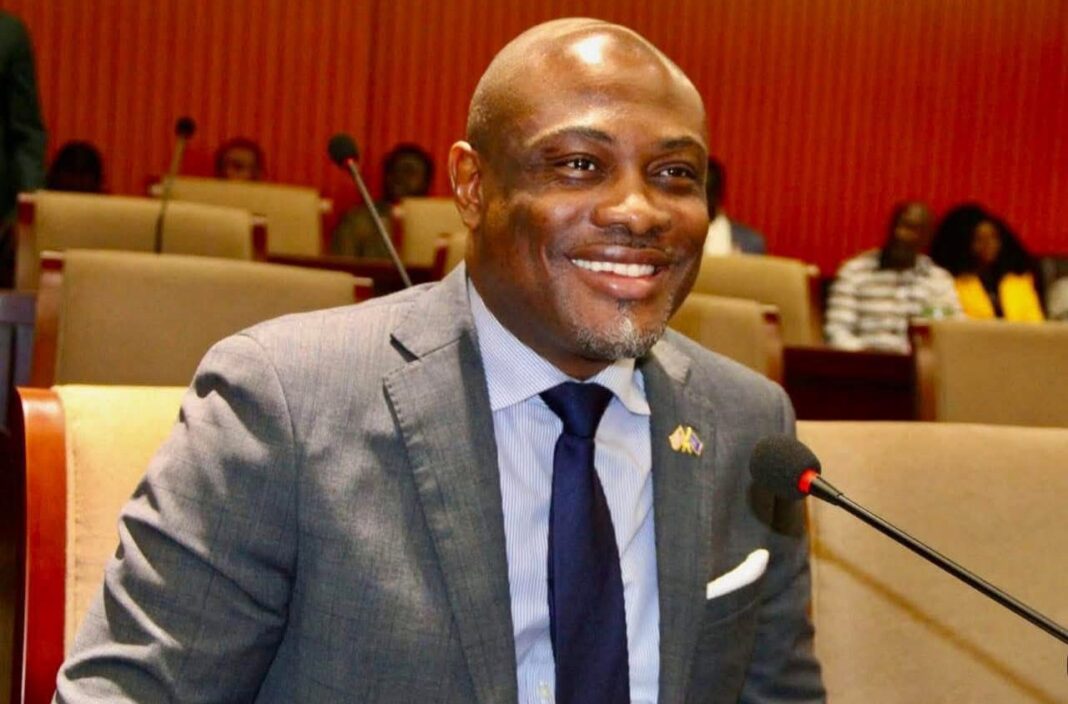

MONROVIA – The Unity Party’s much-celebrated return to its Congo Town headquarters, hailed by party loyalists as a symbolic restoration of identity and political strength, has instead erupted into a widening controversy that is now drawing intense concern from domestic governance activists and could potentially attract heightened attention from international transparency advocates. The dispute deepened on Tuesday, November 25, 2025, when Matthew Nyanplu, a presidential hopeful and former supporter of President Joseph Nyuma Boakai, publicly questioned the financial source behind the ruling party’s sudden ability to reclaim the property it was evicted from only four years ago.
In a Facebook post, Nyanplu reminded the public that the Unity Party was disgraced in 2021 after failing to settle US$150,000 in rent arrears over a three-year period. He argued that the party’s inability to pay rent while in opposition stands in stark contrast to its alleged capacity to purchase the same building just two years into its return to power. With biting sarcasm, he asked: “Do we need a medicine man to tell us where UP got the money from?” His remarks have renewed public questions about whether the party is now benefitting from state resources or undisclosed private financing.
The controversy grew further when Montserrado County District #10 Representative Yekeh Kolubah, a relentless critic of the Boakai administration, told residents in Greenville, Sinoe County, that the party had spent US$11 million to acquire the building. He claimed that the government’s explanation of “negotiated access” does not match the alleged scale of the financial transaction. Linking the building issue to broader governance concerns, he reminded Liberians that the Unity Party was previously evicted for failure to pay rent, a contradiction he argued “makes no financial sense unless the money came from somewhere questionable.”
Kolubah’s allegations did not stop there. He also tied the controversy to the widely criticized US$10 million presidential villa project in Foya, accusing President Boakai of diverting state resources for politically beneficial infrastructure. Although unverified, such claims feed a growing public perception that fiscal opacity may be emerging as a defining feature of the administration. For many Liberians, these issues are not just political disputes but questions of national integrity: Is the ruling party living by the transparency principles it campaigned on?
Civil society groups, long vocal on matters of accountability, are expected to intensify pressure for clarity. Advocates could rightly ask: If the Unity Party did purchase the Congo Town building, where are the deeds, receipts, bank statements, donor disclosures, or fundraising records? Local organizations such as Accountability Lab Liberia and the Center for Transparency and Development could soon join international partners in demanding a full financial trail. Without documentation, the party risks deepening Liberia’s already fragile reputation in global governance and corruption indices.
The Unity Party has maintained that its return to Congo Town represents a “homecoming of unity, strength, and renewal,” claiming that negotiations with the landowner facilitated its return. However, the party has conspicuously avoided stating whether the building was purchased or leased again, fueling public skepticism. The situation has become more perplexing given that only weeks earlier, the party launched a nationwide fundraising campaign to construct a new headquarters.
Since the allegations raised by Rep. Kolubah, comments on social media, particularly on Facebook, from critics of the Boakai and Unity Party government suggest this timeline is concerning. Why would the party raise money for a new headquarters while allegedly spending millions on an old one? And if the purchase never happened, why not publicly release a simple lease agreement to clarify matters? Such inconsistencies, they argue, fuel public suspicion and call into question the ruling party’s commitment to transparency and accountability.
As preparations for the December 6 “homecoming” celebration continue, senior party figures including Vice President Jeremiah Kpahn Koung and Chairman Rev. J. Luther Tarpeh have taken part in cleanup and restoration efforts at the property. While these activities may reinforce party morale, they do little to calm public concerns about the alleged financial irregularities. Critics say political symbolism cannot substitute for transparent governance, especially at a time when the Boakai administration is already battling perceptions of slow reform.
The central issue now confronting the Unity Party is not one of ceremony but accountability. With allegations mounting and documentation absent, the party faces pointed questions that it cannot indefinitely avoid: Did it spend US$11 million on the building? Who financed the transaction? Were state resources involved? And most importantly, why has the party remained silent when transparency could immediately settle the matter?
For many Liberians, the controversy reveals a deeper crisis of trust. President Boakai campaigned as a champion of integrity and fiscal discipline, but his party’s reluctance to address serious financial allegations risks undermining his credibility. As economic hardship persists and public impatience grows, unanswered questions about multimillion-dollar properties and presidential villas only heighten frustration.
With pressure rising from citizens, activists, and potentially international partners, the Unity Party stands at a crossroads. It can either confront the allegations head-on with clear financial disclosures, or allow silence to breed suspicion. For now, the country watches closely, waiting for answers, demanding transparency, and reminding the administration that political symbolism cannot overshadow public accountability.