UNITED NATIONS – Facing an unprecedented financial squeeze, the United Nations has announced a sharp reduction in its 2026 regular budget, cutting US$ 577 million in spending and eliminating 2,681 positions across the organization. The move comes as arrears from member states have surged to roughly US$ 1.59 billion, forcing the world body to dramatically shrink operations to maintain fiscal stability.
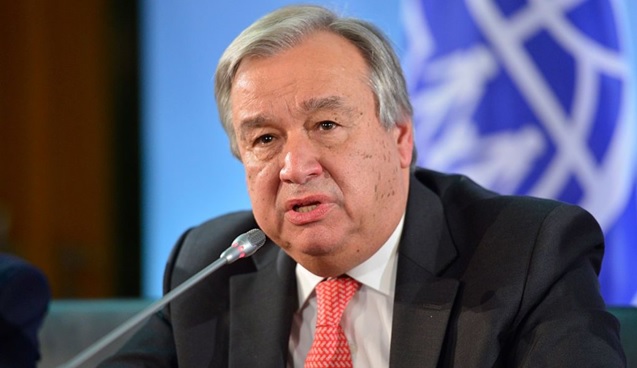
On Monday, December 1, 2025, Secretary‑General António Guterres revealed that next year’s core budget will be set at US$ 3.238 billion, about a 15.1 percent drop compared with current funding levels. In tandem with the budget reduction, the UN plans to eliminate 18.8 percent of staff, including roles in its Secretariat and special political missions.
The financial strain stems largely from unpaid assessments owed by major member states, including the United States, Russia, China, and Mexico. Guterres warned that the shortfall has left the organization operating well below approved budget levels, undermining its ability to deliver on global mandates and respond effectively to humanitarian crises.
In explaining the staff reductions, the Secretary‑General emphasized that the targeted posts are those considered redundant or that could be carried out more efficiently through consolidation and restructuring. The review forms part of the UN80 Initiative, a sweeping reform plan aimed at modernizing operations, cutting bureaucratic overlap, and consolidating administrative services into shared hubs.
Official documents indicate that the restructuring will involve centralized payroll systems across duty stations, relocation of certain posts to lower-cost regions, and the closure or downsizing of expensive offices, including some New York leases by 2027. These measures, combined with personnel reductions, are intended to position the UN for a leaner, more financially sustainable future.
However, critics and some member-state delegates have raised concerns over the potential disproportionate impact on junior, general-service, and development-focused staff. Observers warn that the cuts could undermine essential programs at a time when global humanitarian and development needs are rising.
Despite these objections, Guterres defended the plan, stressing that the reductions are driven strictly by liquidity constraints, not political decisions, and that many posts targeted for elimination were already vacant due to staff attrition. He assured that high-priority areas, particularly development work in Africa and humanitarian responses, would receive protection against deep cuts.
The UN also plans to rely on voluntary separation programs and redeployment of remaining staff under new, consolidated structures. While intended to minimize disruption, these strategies have prompted skepticism among employees concerned about job security and loss of institutional knowledge.
As the 193‑member General Assembly prepares to vote on the proposed 2026 estimates later this month, the international community watches closely. The decision will not only reshape the internal landscape of the United Nations but could also affect its global capacity to deliver aid, implement development programs, and uphold its diplomatic commitments.
The Secretary‑General concluded by urging member states to pay their dues promptly, emphasizing that reliable financing is critical for the UN to fulfill its mandates and maintain stability across its humanitarian, peacekeeping, and development operations worldwide.