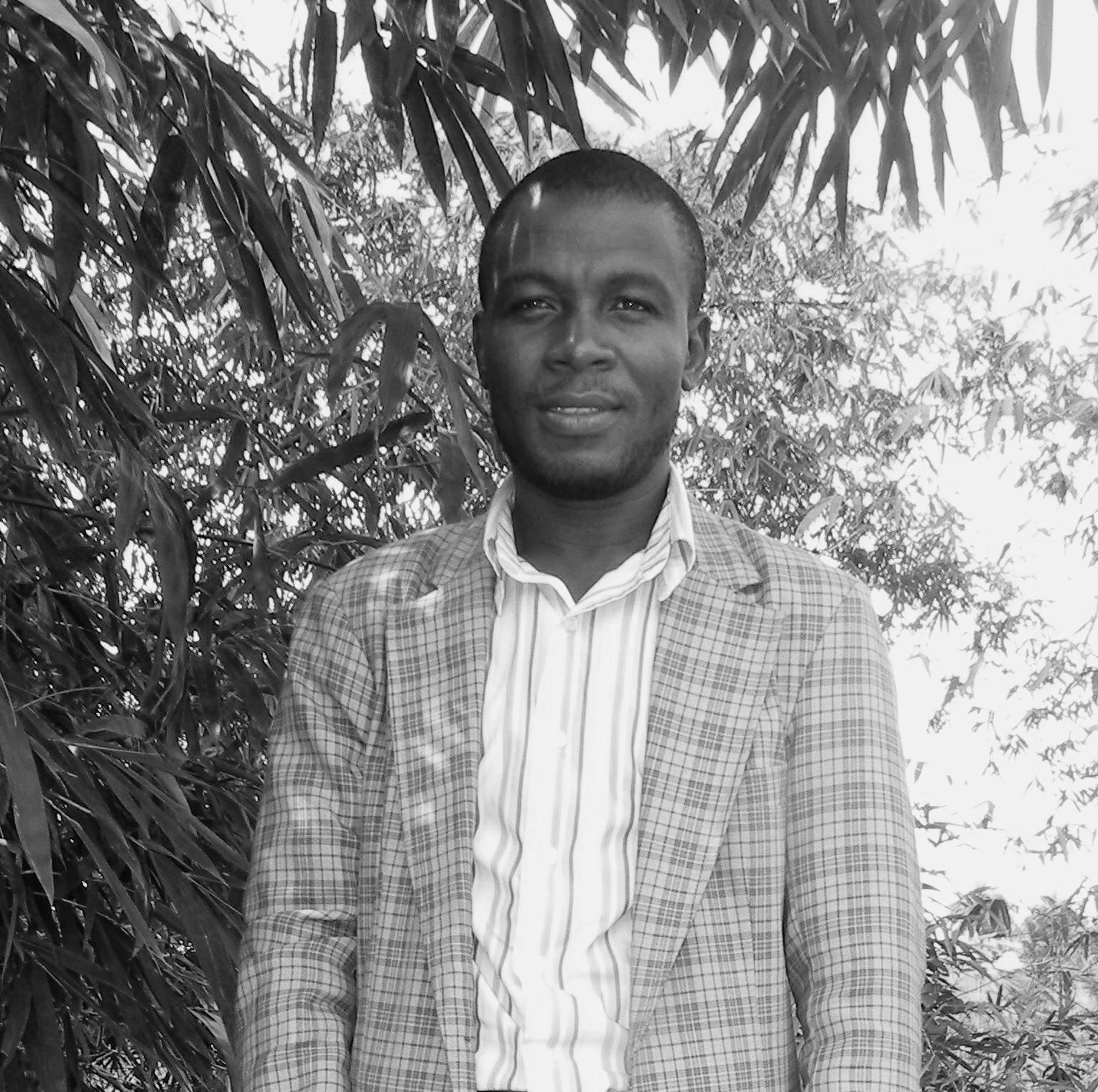
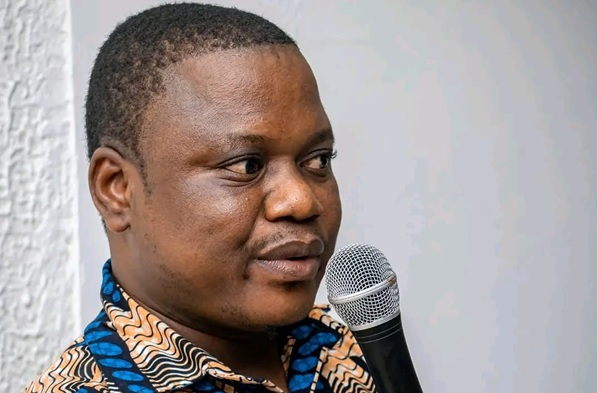
MONROVIA – The Executive Director of the Center for Transparency and Accountability in Liberia (CENTAL), Anderson Miamen, has expressed concern over the decision of the United States of America to withdraw from the World Health Organization (WHO), warning that the move could create serious funding and resource gaps within the global health body.
Speaking on Sunday, January 25, 2026, Miamen described the withdrawal as a development with far-reaching implications, not only for WHO as an institution but also for global health coordination, particularly in developing countries that rely heavily on multilateral health support.
According to Miamen, the United States’ exit poses a significant challenge because of the country’s longstanding financial and technical contributions to WHO programs. He noted that U.S. support has historically played a major role in sustaining critical health interventions worldwide.
Miamen, however, stopped short of condemning the U.S. decision outright. Instead, he called for transparency and dialogue, urging that any evidence-based and reasonable concerns that led to the withdrawal be openly discussed and amicably resolved to allow the United States to rejoin the organization.
His remarks followed an official statement from the World Health Organization confirming receipt of the United States’ notification of withdrawal. WHO described the decision as regrettable, arguing that it weakens both the U.S. and global health security.
In its statement, WHO highlighted the United States’ historical role as a founding member of the organization and credited the country with contributing significantly to major public health achievements, including the eradication of smallpox and progress against diseases such as polio, HIV, Ebola, tuberculosis, malaria, and influenza.
WHO further stated that the withdrawal raises institutional and legal issues that will be formally considered by its Executive Board at a regular meeting beginning on February 2, 2026, as well as by the World Health Assembly at its annual session scheduled for May 2026.
The organization also responded to accusations from the U.S. government that WHO had “trashed and tarnished” American interests and compromised its independence. WHO rejected these claims, insisting that it has always engaged the United States in good faith, with full respect for national sovereignty.
Central to the U.S. justification for withdrawal are allegations of WHO failures during the COVID-19 pandemic, including claims that the organization obstructed the timely sharing of critical information and concealed shortcomings in its response.
WHO acknowledged that no institution or government managed the pandemic perfectly but defended its overall handling of the crisis. It maintained that it acted swiftly, shared available information transparently, and provided guidance based on the best scientific evidence at the time.
The organization clarified that while it recommended measures such as mask usage, vaccination, and physical distancing, it never imposed mandates or lockdowns, emphasizing that sovereign governments ultimately made policy decisions based on their national contexts.
WHO outlined its early response to COVID-19, noting that it activated emergency systems after receiving reports of unexplained pneumonia cases in Wuhan, China, on December 31, 2019, and alerted the world before the first death was officially reported.
When COVID-19 was declared a public health emergency of international concern on January 30, 2020, WHO said there were fewer than 100 cases outside China and no reported deaths, underscoring its position that warnings were issued early.
In the aftermath of the pandemic, WHO said it has undertaken multiple reviews of its performance and implemented reforms aimed at strengthening preparedness and response systems, many of which now operate continuously to monitor global health threats.
Responding to claims that it has pursued a politicized agenda hostile to U.S. interests, WHO reaffirmed its status as an impartial United Nations agency governed by 194 Member States and committed to serving all countries without bias.
WHO also pointed to recent multilateral achievements, including the adoption of the WHO Pandemic Agreement, which, once ratified, is expected to become a key international legal instrument for preventing and responding to future pandemics.
As negotiations continue on mechanisms such as the Pathogen Access and Benefit Sharing system, both WHO and voices like CENTAL’s Anderson Miamen have expressed hope that the United States will eventually return to active participation, while the organization maintains its commitment to promoting the highest attainable standard of health as a fundamental right for all people.