
CAPITOL HILL, LIBERIA – The Liberian Senate’s decision to postpone the confirmation hearing of Youth and Sports Minister-designate Cornelia Kruah has exposed more than a scheduling delay. It has laid bare a growing credibility crisis surrounding leadership standards in a sector already burdened by unemployment, social decay, and deep public frustration. The postponement, announced by the Senate Press Bureau without explanation, immediately raised questions about preparedness, political pressure, and the seriousness with which youth governance is being treated.
At the center of the controversy is Kruah’s nomination by President Joseph Nyuma Boakai, a decision that has attracted sharp criticism from student leaders and civil society voices even before the Senate could begin its vetting process. The hearing was expected to test Kruah’s vision, discipline, and suitability for leading a ministry tasked with addressing Liberia’s most volatile demographic. Instead, the abrupt delay has amplified doubts and fueled speculation about unresolved concerns within the Senate itself.
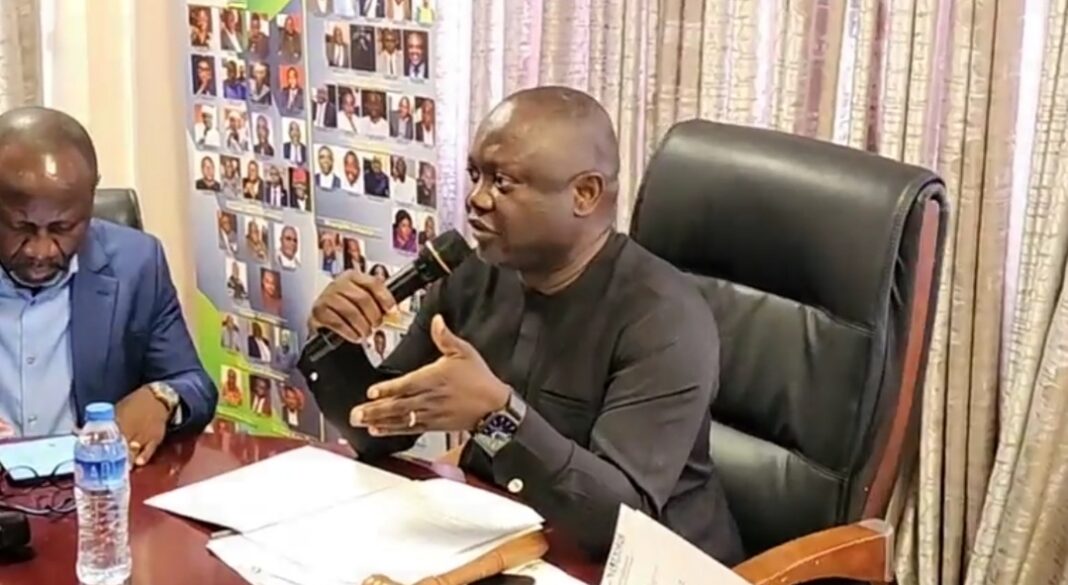
Although no official reason was provided, information from Capitol Hill indicates that Montserrado County Senator Abraham Darius Dillon was among those who called for the postponement. That internal resistance suggests the controversy surrounding Kruah’s nomination may have reached a level where proceeding without clarity risked public backlash and institutional embarrassment.
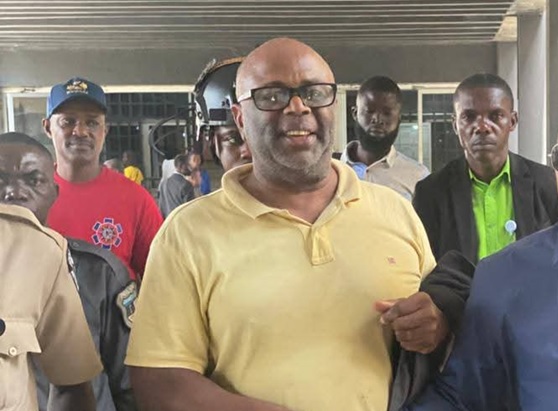
The controversy intensified following public statements by Polay Nyan Emmanuel, Chairman on Propaganda of the Student Unification Party at the University of Liberia. Hours before the scheduled hearing, Nyan openly condemned Kruah’s nomination, questioning her character and commitment to Liberia’s struggling youth. His remarks shifted the debate from political loyalty to personal conduct and moral authority in public office.
Nyan sharply criticized what he described as an “immoral attitude” displayed by Kruah in social settings, arguing that public officials cannot separate private behavior from public responsibility when their actions undermine institutional credibility. He accused the political class of dangerous double standards, warning that selective advocacy erodes public trust and weakens moral leadership.
Beyond character, the criticism struck at the heart of Liberia’s youth crisis. Nyan cited grim national data showing that over sixty percent of the population is youth, with more than eighty percent unemployed. He emphasized that only a fraction are projected to reach their full potential, while drug addiction and hopelessness continue to spread unchecked. Against this backdrop, the Youth and Sports Ministry cannot afford symbolic leadership or distractions.
The postponement of Kruah’s confirmation has therefore become symbolic of a broader governance failure. At a time when young Liberians demand discipline, accountability, and tangible results, the controversy surrounding the nominee reflects a disconnect between political appointments and national priorities.
Nyan rejected popular slogans that celebrate youthfulness without substance, arguing that leadership must be defined by competence, integrity, and measurable outcomes. Blind loyalty based on party affiliation, personal ties, or political convenience, he warned, will not rescue a generation trapped in economic stagnation.
The Senate’s delay now places the burden squarely on Cornelia Kruah to confront the controversy head-on. Her eventual confirmation hearing, whenever scheduled, will no longer be routine. It will be a test of credibility, values, and readiness to lead a ministry at the center of Liberia’s social stability.
Until then, the postponement stands as a cautionary signal. Leadership in youth governance cannot be reduced to symbolism or partisan reward. In a country where the future is overwhelmingly young, credibility is not optional. It is the minimum requirement.