MONROVIA – Fresh uncertainty continues to surround the situation along the Liberia–Guinea border in Lofa County, as conflicting accounts from local observers and the Government of Liberia raise critical questions about troop movements in the disputed Makona River area, even as regional leaders intensify diplomatic efforts to prevent escalation.
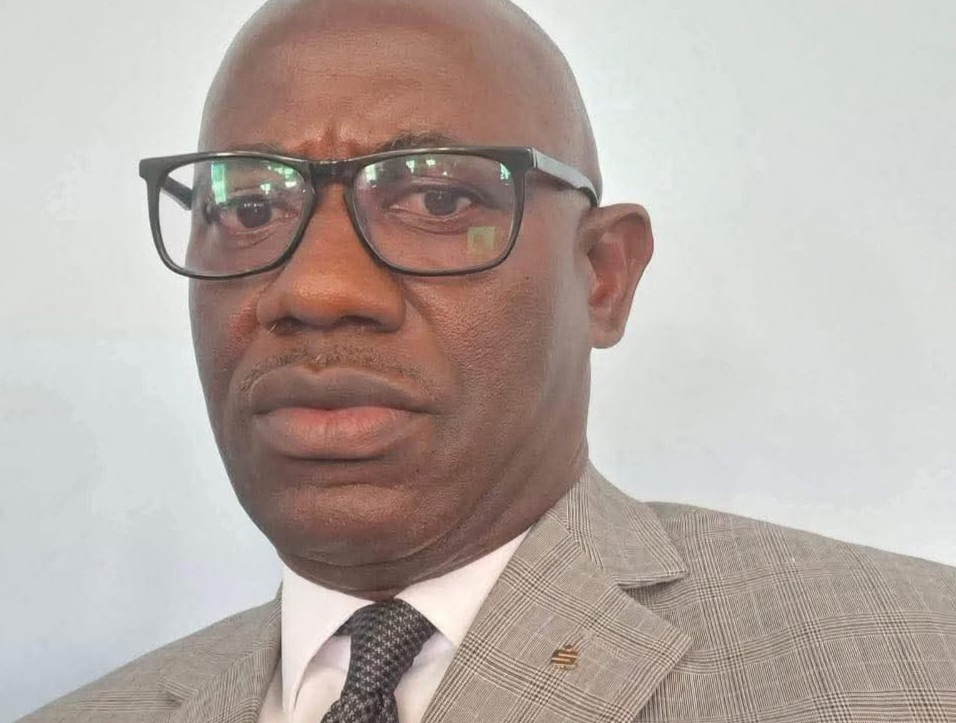
A field analysis by Lofa-based journalist James Kollie has amplified public concern, challenging official descriptions of the situation. Kollie stressed that “at a time like this, openness is not optional, it is necessary,” underscoring growing demands for transparency as tensions persist.
According to Kollie, the crisis originated from alleged sand mining activities by BK Enterprise in a contested zone along the Makona River. Guinean authorities reportedly deemed the operations illegal, seized the company’s equipment, and transported it into Guinea, triggering diplomatic engagement between the two neighboring states.
The situation escalated when Guinean troops reportedly crossed into the disputed territory, remained overnight, and maintained an armed presence. These developments have sparked widespread concern among residents and heightened scrutiny over the government’s characterization of the movements.
Kollie openly questioned the government’s description of the situation as a “withdrawal operation,” arguing that such actions appear inconsistent with standard military withdrawal procedures. His concerns reflect a broader national sentiment that clearer explanations are needed to avoid confusion and speculation.
In response, the Government of Liberia, through Information Minister Jerolinmek Mathew Piah, has maintained that the situation remains under control. “The situation along the Liberia–Guinea border in Lofa County remains under close attention and is being addressed with the utmost priority,” Piah stated, emphasizing ongoing efforts to preserve peace and stability.
The government further clarified that the troop movements were part of Guinea’s operational process tied to an agreed withdrawal directive, urging citizens not to misinterpret the developments as escalation. GoL has also suspended all mining activities in the region pending a full investigation by the National Security Council.
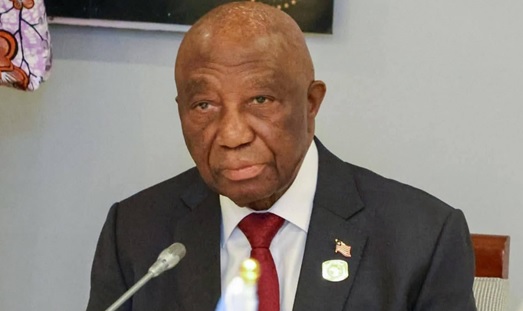
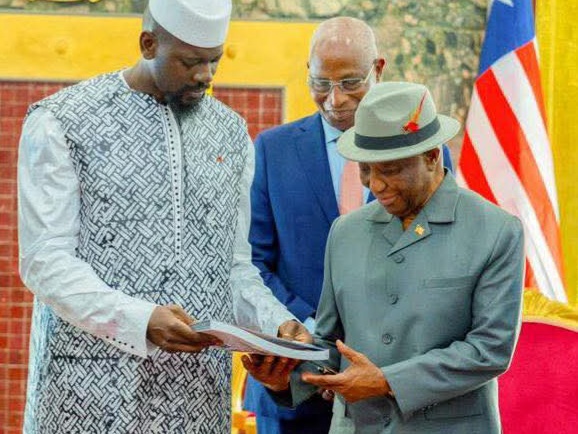
Amid the tension on the ground, a major diplomatic breakthrough has emerged at the regional level. Presidents Joseph Nyuma Boakai, Mamadi Doumbouya, and Julius Maada Bio convened high-level talks in Conakry on March 16, 2026, under the framework of the Mano River Union, signaling a unified commitment to resolving the dispute peacefully.
The three leaders adopted a joint communiqué emphasizing diplomacy over confrontation, with a key agreement to maintain the “status quo ante” along the border while negotiations continue. The decision is seen as critical in preventing further incidents and preserving longstanding ties among border communities.
Beyond immediate de-escalation, the leaders outlined broader security and economic measures, including enhanced joint border patrols, intelligence sharing, and efforts to transform border regions into zones of economic cooperation rather than conflict. They also reaffirmed adherence to international principles, particularly peaceful dispute resolution under Article 33 of the United Nations Charter.
Despite these diplomatic gains, concerns persist domestically as citizens call for greater clarity on the situation. Kollie emphasized that Liberians are not calling for panic but for honest communication, warning that uncertainty surrounding national security issues can erode public trust.
The government has also cautioned against misinformation, stressing that unverified claims could inflame tensions. At the same time, authorities have pledged to keep the public informed as diplomatic and security efforts continue, expressing cautious optimism that sustained regional cooperation will ultimately restore stability along the Liberia–Guinea border.