By Staff Writer | Smart News Liberia
MONROVIA – Deputy Speaker of the House of Representatives, Thomas Fallah, has unveiled an ambitious political vision, declaring that the proposed National Independent Movement for Boakai (NIMBO) is poised to become the most formidable political force in Liberia.
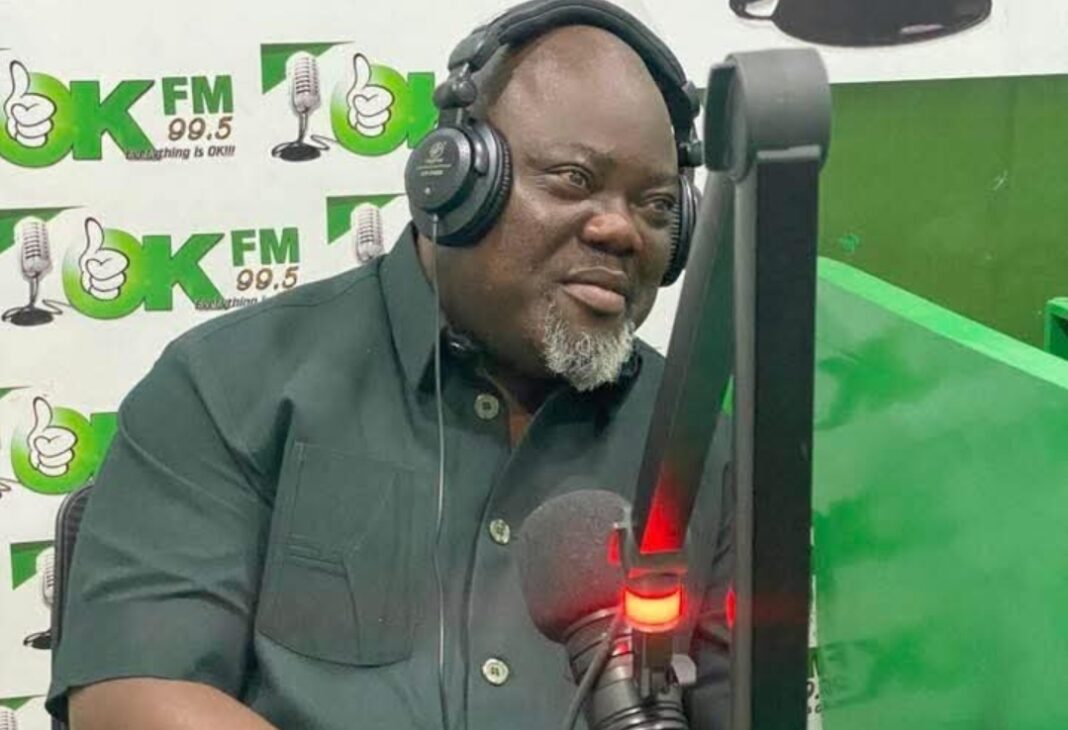
Speaking on OK FM on Monday, April 13, 2026, Fallah outlined what he described as a transformative political project aimed at consolidating national support for President Joseph Nyuma Boakai ahead of the next electoral cycle. He disclosed that the movement will be officially launched on May 24, 2026, in Monrovia.
“I made it clear that the National Independent Movement for Boakai is not just another political initiative,” Fallah said during the radio appearance. “It will be the largest political movement in Liberia, bringing together citizens from every corner of this country to secure the reelection of President Boakai.”
He emphasized that NIMBO will serve as a broad-based coalition, targeting grassroots mobilization and inclusive political participation. Fallah noted that the movement’s structure will prioritize unity and national cohesion, positioning it as a vehicle for sustained governance and development.
At the same time, the Deputy Speaker used the platform to call for accountability within the Legislature, specifically referencing Yekeh Kolubah. He stressed that public officials must exercise caution in their statements, warning that rhetoric perceived to undermine state sovereignty could have serious consequences.
“Honorable Yekeh Korlubah must be held accountable for statements that undermine the sovereignty of our state,” Fallah asserted. “Leadership at the Legislature demands responsibility. Words matter, especially in moments that test our national unity.”
Turning to the ongoing concerns surrounding Bea Mountain Mining Corporation, Fallah cautioned against political finger-pointing, urging stakeholders to focus on constructive solutions rather than deepening divisions. He described the situation as a critical moment requiring national reflection and policy direction.
“Liberia does not need division; we need solutions,” he said. “This moment calls for a serious national dialogue on the future of our natural resources.”
In a significant policy proposition, Fallah advocated for partial nationalization of Liberia’s mining sector, suggesting that the government should consider acquiring at least 40 percent ownership to ensure broader public benefit.
“As part of that conversation, we must begin to consider the nationalization of at least 40 percent of our mining sector so that the wealth of this country truly benefits its people,” he stated, signaling a shift toward resource nationalism in economic policy debates.
The Deputy Speaker also took aim at the opposition Coalition for Democratic Change (CDC), arguing that the party is no longer aligned with its founding ideals. He claimed that its current leadership lacks the strategic capacity to return former President George Weah to power in 2029.
“It is my firm belief that the party has been hijacked,” Fallah declared. “The current leadership lacks the capacity to deliver victory for former President Weah in 2029.”
In a direct appeal to young political activists, Fallah urged members of the CDC’s base to reassess their allegiance. He warned that what many perceive as a revolutionary movement has, in his view, been overtaken by elites disconnected from the struggles of ordinary Liberians.
“To the many young comrades who still believe they are standing with a revolution, I say this with sincerity: the cause you believe in has been hijacked by elitists,” he said. “These are people who do not understand the struggle of ordinary Liberians.”