By Socrates Smythe Saywon | Smart News Liberia
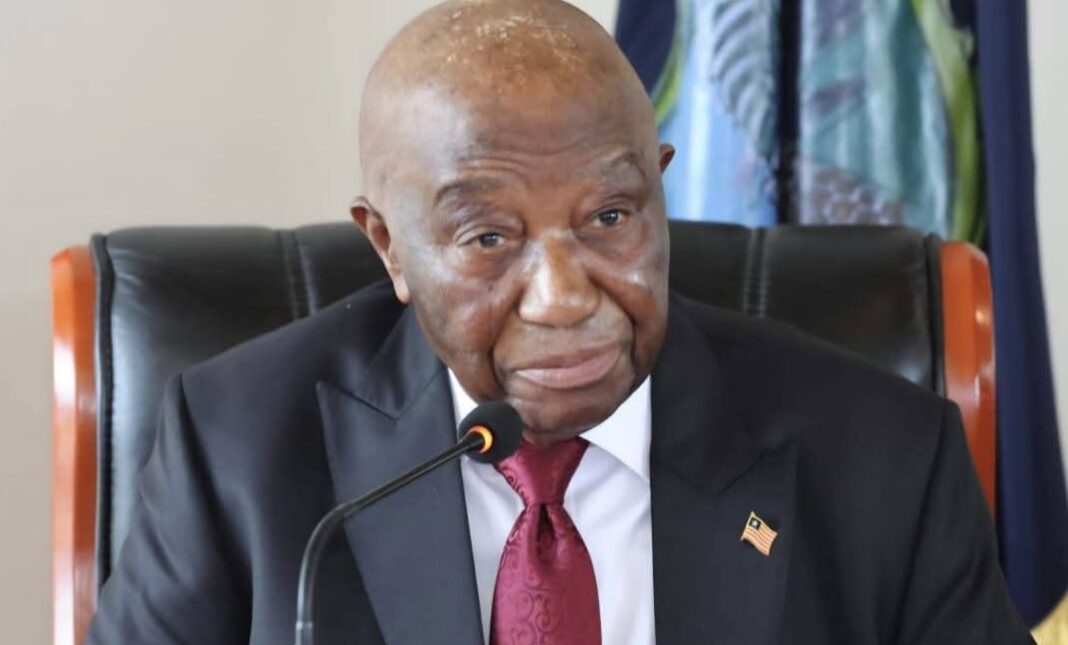
MONROVIA – Joseph Nyuma Boakai has triggered a wave of national debate following the submission of a US$45 million draft supplementary budget to the National Legislature, a move the government says is aimed at strengthening public service delivery and accelerating development under its policy agenda.
The proposal, submitted Monday, April 13, 2026 through the Ministry of Finance and Development Planning, seeks to adjust the national budget in line with Liberia’s Public Financial Management Law, which permits mid-year revisions to address emerging priorities. The funding package outlines allocations across several sectors, including justice, security, education, health, and infrastructure.
According to the breakdown, US$1.5 million is earmarked for the Ministry of Justice to strengthen border response, while the National Security Agency is set to receive US$2.5 million. The defense sector is allocated US$600,000 for recruitment and logistics, while the education and health sectors are assigned US$7.3 million and US$10.9 million respectively.
Public Administration emerges as the single largest beneficiary, receiving US$11.4 million, followed by infrastructure and basic services at US$7.16 million. Agriculture, however, is allocated just US$500,000, raising eyebrows among critics who argue that the sector remains central to Liberia’s long-term economic recovery.
The financing structure of the supplementary budget has also drawn scrutiny. Of the total amount, US$40 million is derived from previously undisbursed World Bank budget support for 2025, while only US$5 million comes from what the government describes as domestic revenue over-performance.
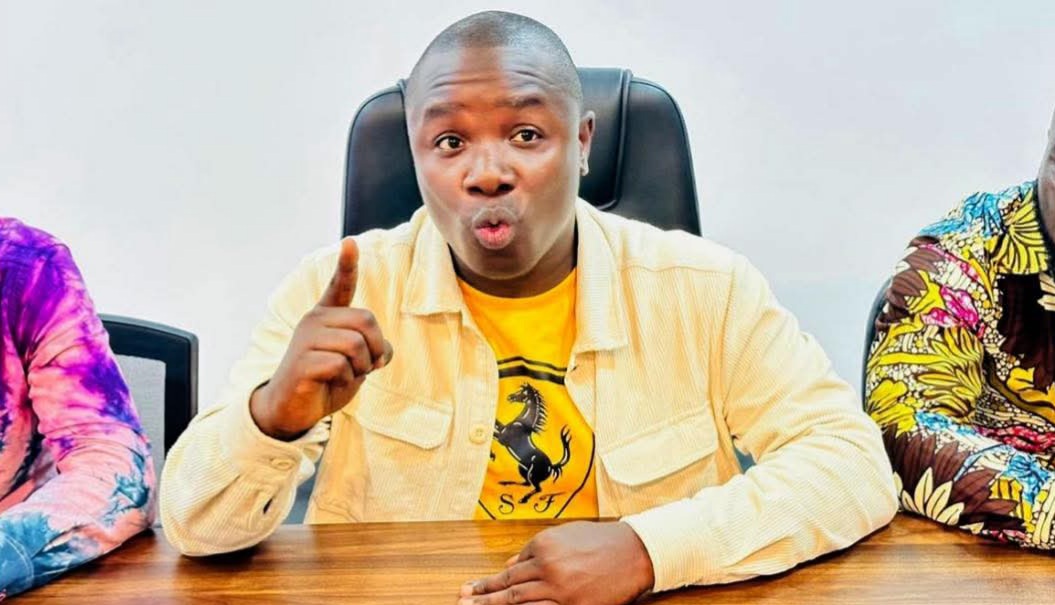
Political commentator Patrick M’bayo has emerged as one of the most vocal critics, dismissing the proposal as “a political spending instrument with no development spine.” His critique underscores growing concerns that the budget prioritizes government consumption over transformative investment.
M’bayo argues that nearly 64 percent of the proposed spending is directed toward administrative and recurrent expenses rather than infrastructure and production. He contends that this approach neglects the everyday struggles of ordinary Liberians, particularly those in underserved communities lacking access to roads, safe drinking water, and reliable electricity.
He further criticized the allocation pattern, noting that Public Administration alone consumes over a quarter of the total budget, surpassing critical sectors like agriculture, energy, and commerce. In his view, such prioritization reflects what he describes as “economic illiteracy” in a country where food insecurity, weak markets, and limited industrial growth persist.
Specific line items within the proposal have also fueled public frustration. These include US$4.015 million for yellow machine deployment, US$3 million for buses for the University of Liberia and local groups, and US$750,000 for Independence Day celebrations. Additional allocations include US$2 million to support Liberia’s role at the United Nations Security Council and US$800,000 for special presidential projects.
The expenditures have raised concerns about a disconnect between government spending and the pressing needs of citizens in densely populated and underserved communities like West Point and New Kru Town, where access to basic services remains severely limited.
Even allocations to the health and education sectors have not escaped scrutiny. Political commentator Patrick M’bayo notes that much of the funding is directed toward payroll adjustments, arrears, and operational costs rather than systemic reforms, raising concerns about long-term sustainability and planning deficiencies.
Despite the backlash, the government has defended the proposal. Acting Finance Minister Anthony G. Myers, who presented the draft on behalf of Minister Augustine Kpehe Ngafuan, emphasized that the budget reflects both external support and improved domestic revenue performance.
Meanwhile, House Speaker Richard N. Koon has welcomed the submission, praising the administration for prioritizing social sector investments. He specifically highlighted planned support for a National Children’s Hospital and the University of Liberia as meaningful steps toward improving access to essential services.
If approved, the supplementary budget will increase Liberia’s 2026 national budget from approximately US$1.25 billion to US$1.29 billion, representing a 3.6 percent increase. While the government frames the adjustment as a step toward accelerated development, the sharp criticism it has drawn signals a deepening national conversation about fiscal priorities, accountability, and the true beneficiaries of public spending.