By Socrates Smythe Saywon | Smart News Liberia
Growing Links to Jos Leijdekkers Raise New Questions About Liberia’s Role in West Africa’s Expanding Cocaine Corridor
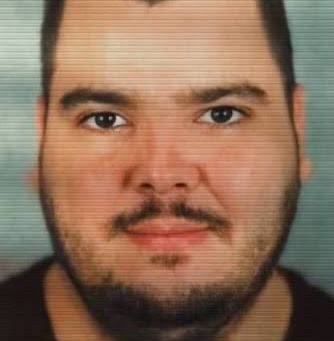
MONROVIA – Liberia’s record US$19.2 million cocaine seizure at Roberts International Airport (RIA) is rapidly evolving from a major narcotics interception into a case with potential international implications, as reports increasingly point to possible links between the shipment and the transnational drug trafficking network allegedly controlled by fugitive Dutch cocaine kingpin Jos Leijdekkers, widely known as “Bolle Jos.”
The Liberia Drug Enforcement Agency (LDEA) announced that it intercepted approximately 237.6 kilograms of cocaine concealed in cargo boxes at RIA on June 8, 2026. Authorities said the shipment was destined for Europe through Brussels Airlines operations, making it one of the largest cocaine seizures in Liberia’s history.
What initially appeared to be a significant domestic anti-drug operation has now attracted international attention amid growing scrutiny over whether the cocaine shipment forms part of a broader trafficking network stretching from South America through West Africa and onward to European markets.
At the center of those concerns is Leijdekkers, a Dutch national regarded by European law enforcement agencies as one of the continent’s most powerful cocaine traffickers. Dutch courts have sentenced him in absentia to lengthy prison terms for large-scale cocaine trafficking, while Belgian prosecutors have linked him to some of the largest narcotics importation cases ever prosecuted in Europe.
Recent international investigations have increasingly identified West Africa as a strategic operational zone for Leijdekkers’ alleged trafficking empire. A June 2026 report by the Global Initiative Against Transnational Organized Crime concluded that growing volumes of cocaine moving through West Africa are believed to be associated with networks linked to Leijdekkers, particularly through Sierra Leone and neighboring coastal routes.
The development is particularly significant for Liberia because multiple international reports have suggested that Leijdekkers has maintained a presence within the Mano River region while evading European authorities. Dutch media reports have further indicated that investigators believe he has moved between Sierra Leone and Liberia during his years as a fugitive.
Although Liberian authorities have not publicly accused Leijdekkers of involvement in the RIA shipment, public discussion surrounding the case has intensified following reports alleging a possible connection between the seizure and international trafficking networks associated with the fugitive kingpin.
The allegations come against the backdrop of mounting international concern over Leijdekkers’ influence across West Africa. Reuters reported that Dutch authorities believe the convicted trafficker has resided in Sierra Leone for an extended period and may have enjoyed protection from powerful individuals while continuing to evade arrest.
European authorities have made his capture a top priority. In recent weeks, the Dutch government publicly increased pressure on Sierra Leone over his continued freedom, while reports emerged that special operations teams had twice come close to apprehending him before those efforts were aborted.
The emergence of Leijdekkers’ name in discussions surrounding the RIA seizure has amplified fears that Liberia may be confronting something larger than an isolated smuggling attempt.
Security analysts have long warned that West Africa’s geographic location, limited surveillance capabilities, and vulnerable maritime borders make the region attractive to international drug syndicates seeking alternative routes into Europe. Those concerns have intensified as criminal organizations adapt to increased scrutiny at major European ports such as Rotterdam and Antwerp.
For Liberia, the implications could be profound.
The House of Representatives has already demanded greater transparency regarding the investigation, while a Liberian court recently ordered airport authorities to provide CCTV footage and cargo documentation related to the shipment. Public pressure continues to mount for the disclosure of the identities of all individuals connected to the case and for a comprehensive explanation of how such a massive quantity of cocaine entered one of the country’s most important transportation hubs.
The unanswered questions continue to grow.
Who arranged the shipment? Who facilitated its movement through airport systems? Were local actors working independently, or were they part of a wider transnational network? And most importantly, is Liberia now being used as a strategic transit point by one of the world’s most sophisticated cocaine trafficking organizations?
The answers may ultimately determine whether the June 8 seizure represents a remarkable law enforcement success or a troubling glimpse into the expanding reach of international drug cartels across West Africa.
For now, the investigation remains ongoing. But as evidence continues to emerge and international attention focuses increasingly on the region, Liberia finds itself at the center of a drug trafficking story that extends far beyond its borders and potentially reaches into the upper ranks of one of Europe’s most notorious criminal enterprises.