
By Socrates Smythe Saywon | Smart News Liberia
MONROVIA – Montserrado County Senator Abraham Darius Dillon has drawn renewed attention to Liberia’s strict 2022 Drug Law, as the country grapples with a major US$19 million cocaine seizure at Roberts International Airport (RIA) and growing concerns over security gaps and porous borders that continue to expose the country to international drug trafficking networks.
The interception of approximately 237.6 kilograms of cocaine at RIA on June 8, 2026, has intensified national debate over Liberia’s ability to secure its borders against transnational criminal organizations allegedly exploiting weaknesses in airport screening systems, seaports, and land entry points.
The shipment, valued at more than US$19 million, is considered one of the largest drug seizures in recent years and has raised urgent questions about how such a large quantity of narcotics entered the country or passed through initial layers of security detection.
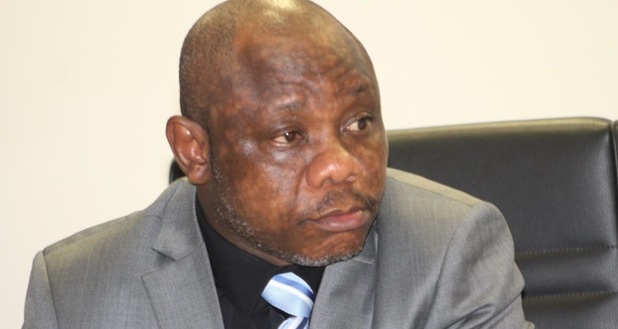
Senator Dillon, in a post on his official Facebook page, emphasized the strict provisions of Liberia’s 2022 Drug Law, which prescribes a minimum of 25 years imprisonment for individuals convicted of trafficking, mass production, wholesale distribution, and other narcotics-related offenses.
He further noted that non-Liberians convicted under the law face deportation after serving their prison sentences, while assets linked to drug crimes are subject to seizure and liquidation by the government, with proceeds directed toward the national fight against drug trafficking.
“The LAW is the LAW,” Dillon wrote, stressing that justice must be applied strictly according to legal provisions rather than political or social considerations. His remarks come amid heightened public concern over the scale and sophistication of drug trafficking operations targeting Liberia.
The senator’s statement aligns with recent enforcement actions by the Liberia Drug Enforcement Agency (LDEA), which successfully intercepted the cocaine shipment at RIA, triggering one of the most significant narcotics cases in the country’s recent history.
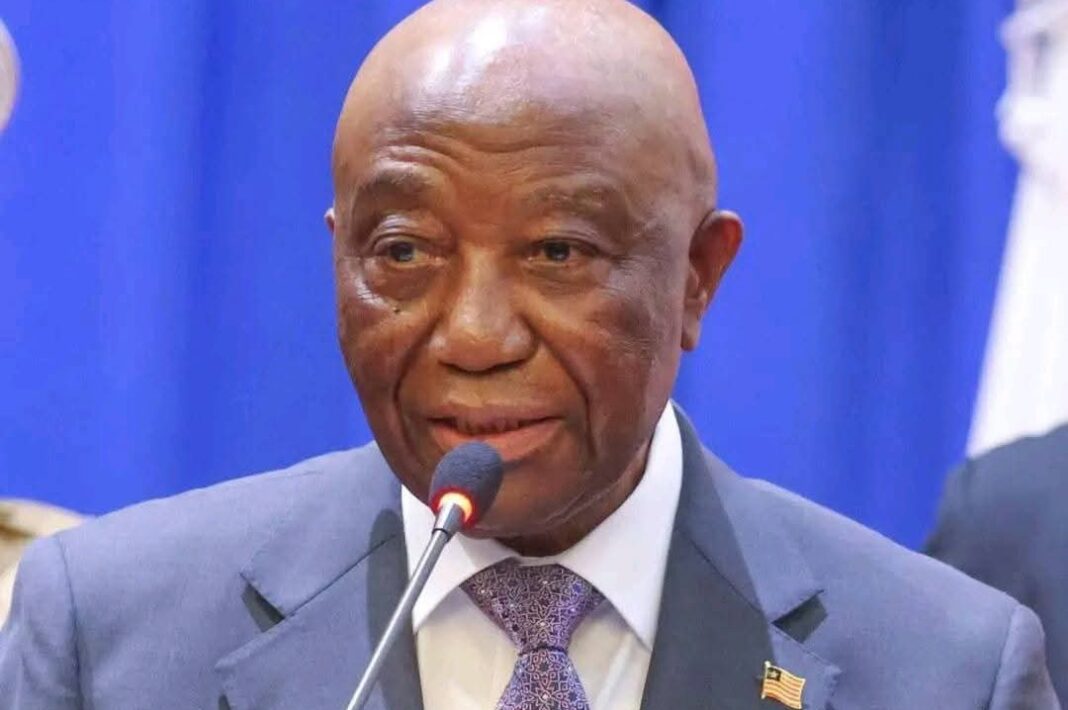
President Joseph Nyuma Boakai, in a national address on June 16, 2026, described the seizure as a serious national security threat, warning that Liberia would not be allowed to become a corridor for international drug trafficking networks.
He vowed that no individual, institution, or criminal organization linked to the shipment would be protected from investigation or prosecution, reinforcing the government’s public commitment to combating narcotics trafficking.
“This country is not open for the business of drug trafficking,” President Boakai declared, framing the incident as evidence of increasing pressure from transnational criminal networks operating across West Africa.
Despite these strong political and institutional responses, the cocaine seizure has intensified public debate over Liberia’s porous borders and limited surveillance capacity at critical entry points, particularly at RIA and remote land crossings where enforcement resources remain stretched.
Security experts and social media commentators, including many Liberians, have cautioned that while the successful interception demonstrates improved detection capability, it also exposes systemic vulnerabilities that drug trafficking networks continue to exploit, including weak technological screening systems, limited intelligence coordination, and corruption risks within border management institutions.
The scale of the seizure has further raised concerns that Liberia’s geographic location and weak enforcement infrastructure may be making it an increasingly attractive transit hub for international narcotics syndicates operating across the region.
Senator Dillon’s remarks therefore reinforce both the legal and security dimensions of the crisis, highlighting the severity of Liberia’s drug law while underscoring the urgency of stronger enforcement mechanisms to match the scale of the threat.
Public officials within the security sector note that Liberia’s 2022 Drug Law remains one of the toughest in the region, but its effectiveness depends heavily on consistent enforcement, institutional integrity, and coordinated action among security agencies responsible for border control and narcotics interdiction efforts.
As investigations into the RIA cocaine seizure continue, the incident has become a critical test of Liberia’s ability to enforce its laws, secure its borders, and confront the expanding influence of international drug trafficking networks.
For now, the message from both the legislature and the executive remains firm. Liberia’s drug laws are strict, the threat is escalating, and the country’s security vulnerabilities must be urgently addressed to prevent further infiltration by global narcotics syndicates.