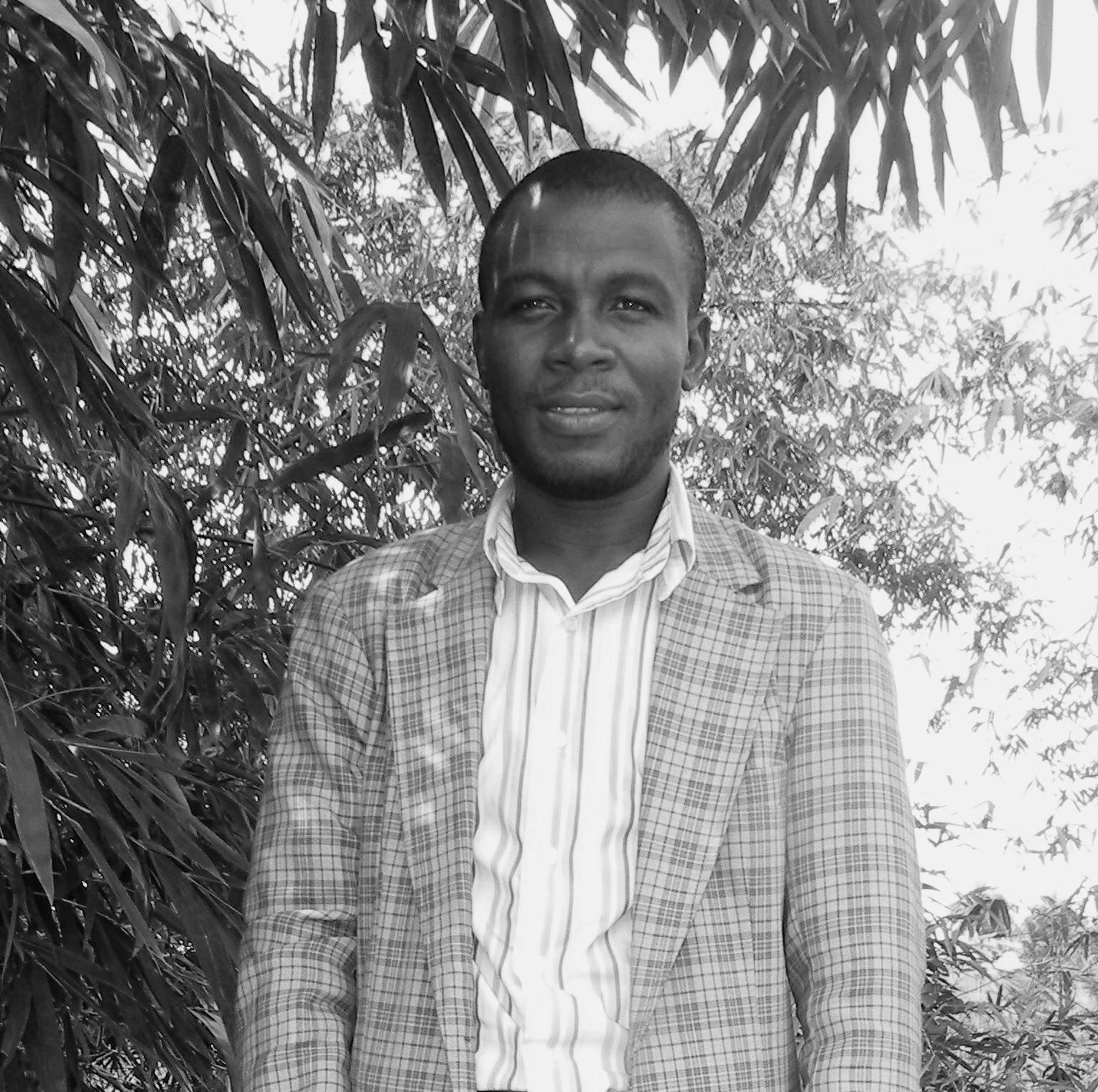
By Socrates Smythe Saywon
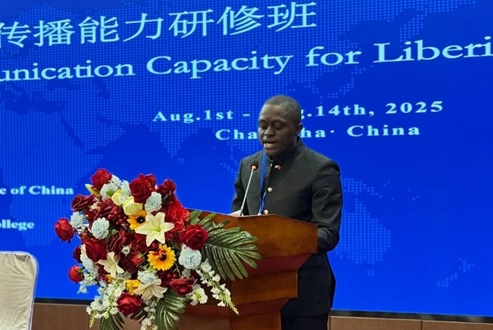
Recently, China has offered a one-week training program for Liberian journalists, sparking some controversy and criticism. While China may be a global economic powerhouse, its record on press freedom is far from admirable. With strict censorship regulations and control over media outlets, China has been ranked as one of the world’s most restrictive media environments. Liberian journalist Socrates Saywon takes a look at the inherent contradictions of this decision.
The training program, aims to provide Liberian journalists with skills and knowledge in various aspects of journalism, including writing, reporting, and editing. However, many have raised concerns about the credibility and objectivity of such a training program, especially coming from a country that heavily restricts the freedom of the press.
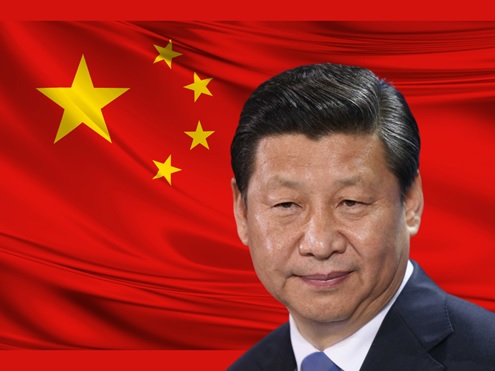
It is no secret that China exercises strict control over media outlets, using censorship as a tool to suppress any information that goes against the ruling CCP’s agenda. The State Council Information Office and the Propaganda Department have the power to dictate what content is allowed to be published and what is not. This control extends to online platforms and social media, where the CCP closely monitors and censors any content that could potentially challenge its authority.
China’s censorship policies have been criticized by international human rights groups and organizations, who believe that a free press is essential for a healthy and democratic society. With journalists facing constant threats and harassment for reporting on politically sensitive issues, China’s media environment is far from conducive to the principles of press freedom.
China’s record on press freedom is consistently poor, as reflected in numerous global indexes and reports. Here are some key highlights regarding China’s status:
- Reporters Without Borders (RSF) World Press Freedom Index: – China frequently ranks near the bottom of this annual index, often placed in the lower tiers, usually around 177th out of 180 countries, indicating severe restrictions on press freedom.
- Freedom House: – In Freedom House’s “Freedom of the Press” reports, China is categorized as “Not Free,” with low scores reflecting significant government control over media, rampant censorship, and persecution of journalists.
- Committee to Protect Journalists (CPJ): – CPJ regularly highlights China as one of the leading jailers of journalists worldwide. It notes that many journalists face imprisonment for reporting on sensitive topics, including politics, activism, and human rights.
- The Economist Intelligence Unit (EIU): – The EIU’s Democracy Index categorizes
China as an “authoritarian regime,” which correlates with its press freedom restrictions, noting that state-controlled media serves the Communist Party’s agenda.
- Censorship and Control: – China’s government exercises strict control over both traditional media and digital platforms. The Great Firewall and strict laws regulate online content and prevent dissenting views from circulating.
Overall, these indexes reflect a consistent trend of repression and state control over the media in China, significantly curtailing freedom of expression and independent journalism.
On the other hand, Liberia, a country still recovering from a civil war, has made significant strides in promoting press freedom and protecting the rights of journalists. In recent years, there have been efforts to reform media laws and create a safer environment for journalists to operate in. However, there is still room for improvement, with cases of harassment and intimidation towards journalists still being reported.
Some have questioned the motive behind China’s training program for Liberian journalists, suggesting that it could be a way for China to expand its influence and control over the media in the country. Others see it as an opportunity for Liberian journalists to learn from a country that has made impressive economic advancements, but with a warning that press freedom should not be compromised in the process.
In conclusion, while China may have a lot to offer in terms of economic development, it still has much to learn from countries like Liberia when it comes to press freedom. A free and independent media is a vital pillar of democracy and should not be sacrificed for any other agenda.