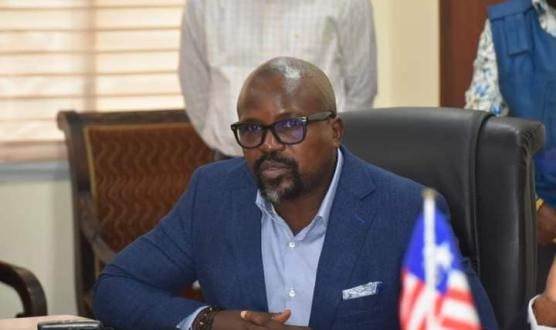
MONROVIA – A growing controversy surrounding a purported US$10 million construction project in Foya District, Lofa County, has cast a long shadow over the government’s claims of fiscal prudence as the legislature reviews the FY 2026 draft budget. On the popular “T Max 50‑50” radio program on Tuesday, November 11, 2025, Public Works Minister Roland Layfette Giddings avoided answering detailed questions about the project, saying, “I will leave that with the Executive Mansion to speak to it. It has security implications. I don’t know the details of the project.”
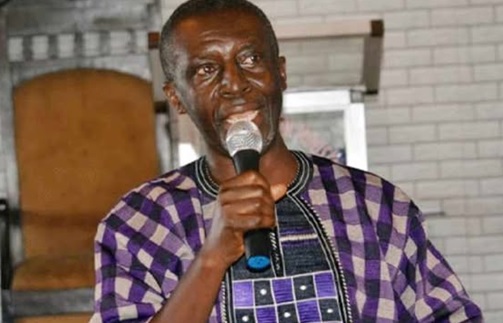
The resulting claim of ignorance from Minister Giddings was swiftly seized upon by civil society voices. Anderson D. Miamen, Executive Director of the Center for Transparency and Accountability in Liberia (CENTAL), wrote on his Facebook page: “Poor decisions are very hard to explain or defend. This Lofa County alleged 10 Million USD presidential project has become a serious issue for the government.”
Journalistic investigation indicates the site in Foya is fenced, heavily secured and reportedly under the oversight of foreign contractors, some said to be Turkish nationals, and that the construction has been taking place since early 2024. Locals interviewed anonymously reported that workers operate at night and access is restricted. “Everything about the project is secret,” one resident told the media.
The funding of the Foya project remains opaque. Neither the Ministry of Finance nor the Public Procurement and Concessions Commission (PPCC) has any public record of budgetary appropriation or bidding process in compliance with Liberian law, which mandates competitive procurement for projects over US$200,000. This gap has raised serious questions about whether public funds are being deployed outside established oversight mechanisms.
Layered onto this controversy is the timing: the project emerges as the government submits its largest national budget yet, US$1.211 billion, for the Fiscal Year 2026, with emphasis on capital investment. Critics say the villa project undermines the government’s narrative of transparency and prioritising development for ordinary citizens.
Media and opposition outlets have pressed for clarity on whether the villa is state‑owned, privately funded, or partly financed by foreign business interests. One investigation alleges links to Turkish financiers tied to mining interests in Liberia. The government, for its part, denies a direct project for the presidency, with Deputy Information Minister Daniel Sando calling the claims “misleading” and emphasising the absence of records at the Mano River Union (MRU) referencing the project.
Within this atmosphere of opacity, budget commentator Vandalark R. Patricks has warned that fiscal discipline and public trust are at stake. He argues that such unexplained projects erode the credibility of government’s development initiatives and reduce confidence in the larger budgetary process. He noted that “if public funds are being spent, the people have a right to know,” which he stated while commenting on the Foya villa matter.
As the National Legislature reviews the FY 2026 draft budget, the villa controversy is increasingly seen as a test of oversight and accountability. Critics urge lawmakers to demand full disclosure of project ownership, funding, procurement process and alignment with national priorities such as affordable housing and infrastructure for underserved communities.
For many Liberians, the unanswered questions about the Foya project mirror broader concerns about resource allocation. When ordinary citizens cannot access clear information about multimillion‑dollar initiatives tied to the highest offices of government, scepticism grows and development gains come under threat.
With the administrators of the villa project silent and multiple officials offering conflicting statements, the burden falls on the Legislature and civil society to press for transparency. Until then, the Foya villa will remain less a symbol of regional development and more a symbol of uncertainty in Liberia’s governance.