In most countries in West Africa and the Sahel region, rural dwellers face severe energy poverty with over 70 percent estimated to have no access to electricity. This is despite the fact that access to energy remains a consequential component to achieving sustainable development and poverty reduction.
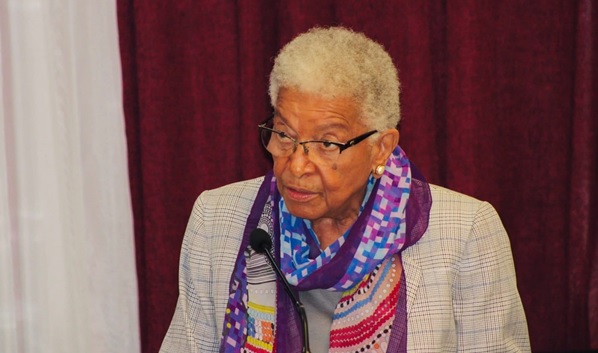
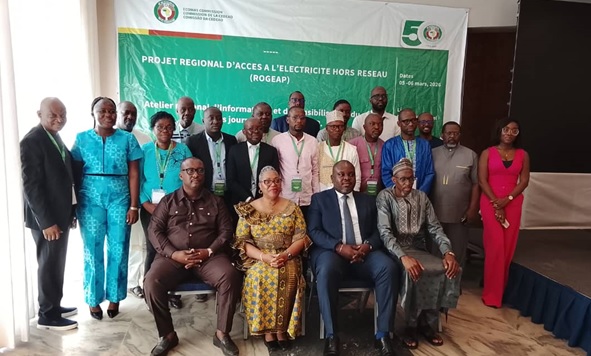
“Solar is one of the foremost areas to explore in the provision of sustainable electricity services, achieving universal access, and enhancing electricity accessibility for households, schools, and clinics”, said Deweh E. Gray, Resident Representative of the Chairperson of the ECOWAS Commission in Togo, on Thursday, March 5, 2026, at the start of a two days Regional Sensitization Workshop of the Regional Off-grid Electricity Access Project ( ROGEAP) Journalists Network, Lome, Togo.
The project which is being implemented in 19 countries by the Economic Community of West African States (ECOWAS) and the Sahel region in partnership with the West Africa Development Bank ( BOAD) with funding from the World Bank, Clean Technology Fund ( CTF), and the Netherlands Government’s Directorate General for International Cooperation, has endeavored to increase access to electricity for households, businesses and public institutions through the use of modern, stand-alone solar technology by adopting a harmonzed regional approach.
To realize these objectives, members of the Journalists Network, representing the 19 project countries, were convened to, among other things, ensure strengthened collaboration with the West African Development Bank (BOAD), review the Project Fiducary Management (PFM), and provide recommendations to improve the project communication strategy. ” This workshop is expected to help you stay in touch with the project and the progress made so far”, said Dr. Tchapo Singo, Director General for Energy of Togo.
For his part, Project Coordinator, Ehadj Sylla outlined major outcomes as a result of the project implementation including a training of solar experts, the conduct of an impact assessment of tax waiver on solar PVC products in the project countries, and the introduction of innovative models to have health and education institutions powered by Solar PV through a pilot in Nigeria and the Republic of Benin, amongst others.
The workshop is expected to culminate in an increased understanding among journalists of the project’s activities, its impact so far, and the solicitation of support to enhance visibility.