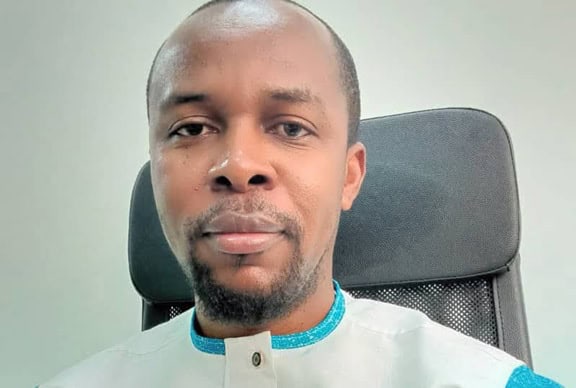
MONROVIA – The Liberia Anti-Corruption Commission (LACC) has expressed concern over what it describes as serious threats to the integrity of ongoing corruption trials after a judge in Lofa County rejected its request to relocate the case involving the President of Lofa County University, Dr. Isaac P. Podah. The development marks a significant setback for the Commission, which argues that local influence and institutional control could compromise the fairness of proceedings.
The case, centered on allegations of financial mismanagement and misuse of institutional resources, took a new turn when the LACC filed a Motion for Change of Venue on November 17, 2025. The Commission feared that conducting the trial in Lofa County would expose jurors, witnesses, and court officers to undue influence. However, on November 21, 2025, Presiding Judge Papesuah of the 10th Judicial Circuit ruled against the motion, ordering that the matter remain in its original jurisdiction.
According to the LACC, the decision to seek a venue change was neither political nor procedural posturing but a strategic safeguard meant to protect the trial from interference. The Commission argued that Dr. Podah’s current leadership position at the university places him in a uniquely powerful role that could intimidate or sway individuals who may be required to testify. It emphasized that no executive action has been taken to suspend or remove him despite an active indictment.
In its communication to the public, the Commission stressed that witnesses in an academic environment, particularly employees or students, may feel pressured to align themselves with institutional authority. The LACC believes such circumstances create a fragile environment, where neutrality may be overshadowed by fear of reprisals or loyalty to a sitting university president. The Commission noted that academic institutions often function as close-knit communities where influence can travel quickly and quietly.
The LACC also highlighted concerns about the composition of a potential jury in Lofa County. It argued that residents serving on the panel are likely to include current or former students, individuals connected to the university, or persons with professional or personal ties to Dr. Podah. In its view, this reality increases the risk of subconscious bias, perceived obligation, or sympathy that could dilute the objectivity required in corruption proceedings.
This is not the only case in which the LACC has sought relocation. The Commission disclosed that it filed a similar motion in the Gbarpolu County “Yellow Machine” Case involving Superintendent Sam K. Zinnah. In that matter, the Commission warned that Zinnah’s executive authority could create an environment of subtle intimidation or influence over jurors, thus mirroring the same concerns expressed in the Podah prosecution.
Across both cases, the LACC has maintained that removing trials from counties where defendants hold political or administrative power is essential to safeguarding the judicial process. The Commission said its approach is rooted in precedent and international best practices, especially in corruption cases involving high-ranking officials whose influence could distort courtroom dynamics.
Despite the setbacks, the LACC reaffirmed its commitment to ensuring that corruption trials proceed free from pressure, manipulation, or favoritism. It assured the public that every available legal remedy will be explored to protect the fairness of the proceedings. The Commission added that its mandate requires vigilance, persistence, and unwavering adherence to transparency and accountability.
The LACC further noted that it will continue working closely with the courts, emphasizing the institution’s respect for judicial authority even when rulings do not align with its recommendations. It stated that the broader goal is not just prosecuting isolated cases but strengthening public trust in the justice system, especially at a time when citizens are increasingly demanding credible anti-corruption outcomes.
With the Podah and Zinnah cases proceed within their respective jurisdictions, national attention is expected to intensify. The LACC, facing mounting pressure to secure convictions in high-profile corruption cases, now confronts the added challenge of navigating trials within environments it believes may not fully guarantee neutrality.