MONROVIA – The controversy surrounding the US$10 million construction project in President Joseph Boakai’s hometown of Foya, Lofa County, has grown into a full-blown governance crisis, exposing gaps in transparency, accountability, and prioritization within the Boakai executive branch.
Information Minister Jerolinmek Matthew Piah, nearly three months later, defended the project on Tuesday, December 16, 2025, describing it as the “Mano River Union (MRU) Presidential Center for Regional Peace and Development,” a strategic national asset aimed at enhancing Liberia’s regional leadership role.
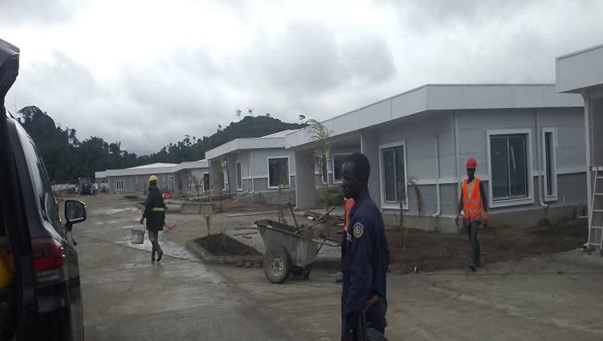
Piah emphasized that the center will host high-level sub-regional, regional, and international meetings, with a 500-seat conference hall and nine secure residential units on seven acres in Foya. According to him, the facility is designed to advance peace, security, and economic integration across the Mano River Basin.
Yet questions remain unanswered. If this is truly an MRU project, why was the initiative launched in secrecy without formal announcements from member states, joint press releases, or documented approvals? Liberia’s own documents, such as those for the MRU Road Project Phase Three, show that legitimate regional projects are transparent, multilateral, and publicly communicated.
Deputy Information Minister Daniel Sando’s earlier remarks linking the project to the MRU only amplified public distrust. His claims, aired on Punch FM on September 29, 2025, were swiftly contradicted by the MRU Secretariat, which confirmed no involvement in constructing presidential villas. Ambassador Simeon Moribah, MRU Secretary General, reaffirmed that the organization’s mandate focuses on trade, security, and human development, not personal presidential estates.
The contradiction is glaring. President Boakai’s government invokes the MRU after public exposure, not at the project’s inception. This raises a critical question: Is the MRU label being used to cover an otherwise private or politically motivated luxury project?
Funding remains another opaque area. Minister Piah claims a mix of national, regional, and international contributions totaling approximately US$6.1 million. But no documentation clarifies which international partners are financing the villa, whether the Public Procurement and Concessions Commission (PPCC) approved the contracts, or how funds are being allocated and monitored.
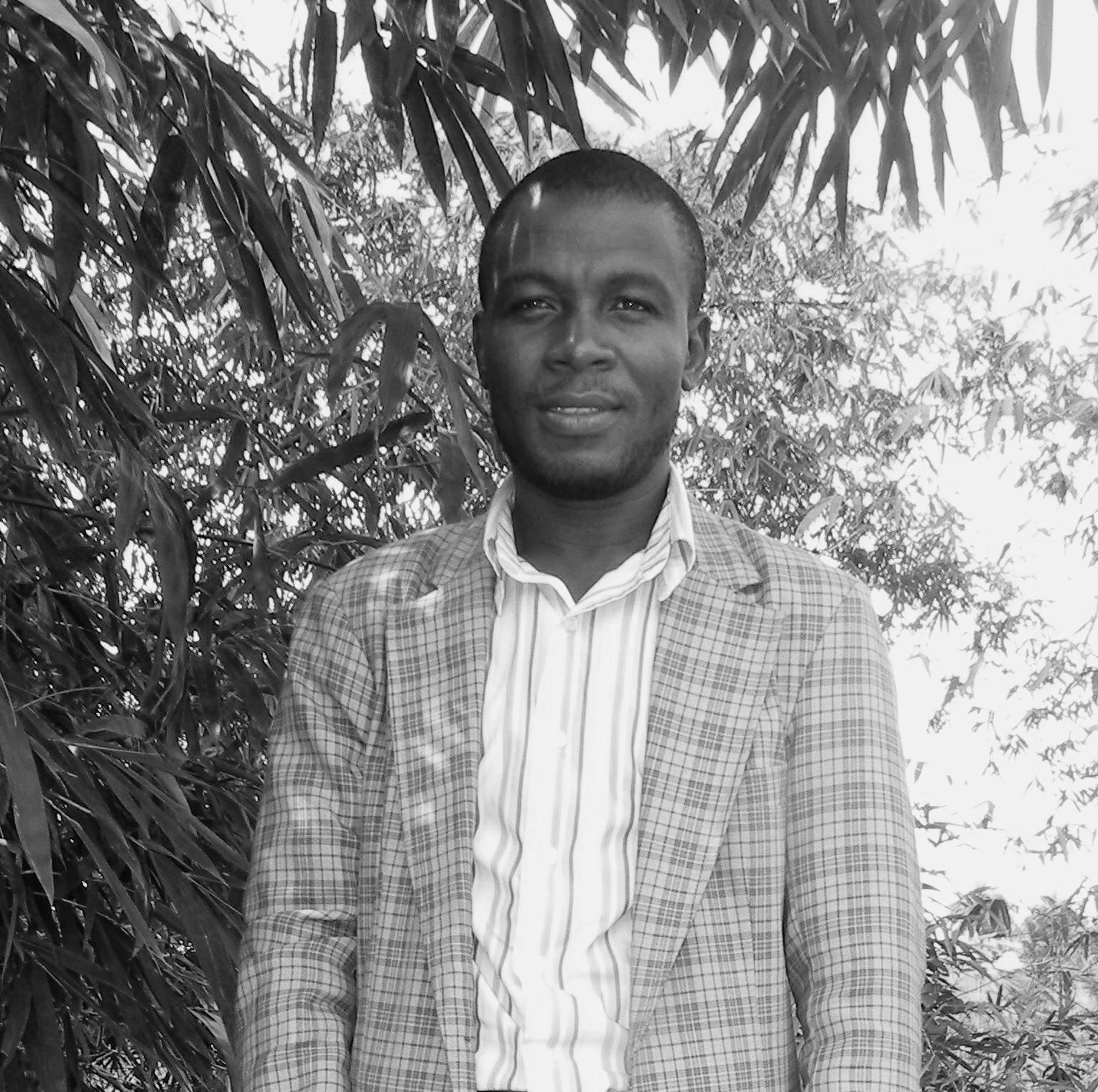
The project is being constructed by MUSNS Groups Incorporated, led by Joe Mulbah, an associate of President Boakai, with Edward Yamba as chief engineer. The personal and political connections involved raise immediate concerns about conflicts of interest, oversight, and accountability.
Security deployment at the Foya site has been heavy, with State Security personnel reportedly guarding the construction. If this is a public project, why the extraordinary level of security? And if it is private, why are public resources and security apparatus being used?
Liberians are left asking: Why invest more than US$10 million in a presidential villa in a district where residents continue to lack schools, hospitals, roads, and jobs? Could the same funds have been channeled into projects that directly benefit communities rather than serving as a personal or symbolic estate?
Eddie D. Jarwolo, Executive Director of NAYTOME-Liberia, publicly questioned the rationale behind this luxury construction in a deprived area. Instead of providing transparent answers, the government dismissed the critique as politically motivated, exemplifying a culture of deflection rather than accountability.
Wantoe Teah Wantoe highlights another disturbing contradiction: legitimate MRU projects are always formally documented and jointly communicated. The Foya villa lacks an MRU press release, joint communique, or evidence of institutional ownership by the union. The administration’s narrative collapses under this simple scrutiny.
This raises the fundamental question: Is the Boakai administration using regional frameworks as a smokescreen to justify personal or political projects? And if so, what does that say about governance and the misuse of national institutions?
The secrecy surrounding the villa’s design, construction, and funding violates the basic tenets of transparency. Citizens have no access to blueprints, procurement contracts, or budgetary allocations. Is this consistent with a government that claims to uphold good governance and accountability?
Minister Piah’s insistence that the villa is a strategic national asset fails to address critical ethical and governance concerns. A strategic asset is typically integrated into national plans, with clear stakeholder engagement, oversight mechanisms, and alignment with development priorities, not constructed amid controversy and secrecy.
The timing of this project is also questionable. Liberia’s national budget, under Boakai, is struggling to meet pressing human development needs, including education, health, and infrastructure. Yet a multimillion-dollar villa for the president is prioritized over ordinary citizens’ welfare.
President Boakai’s leadership is now under scrutiny. Are these funds truly aimed at regional peacebuilding, or are they a politically convenient cover for constructing a personal or family-linked luxury estate? The absence of transparency fuels suspicion and undermines public trust.
State Security guarding the site and the high-profile involvement of presidential associates reinforce a troubling pattern of using state resources to protect projects of questionable public interest. How can ordinary Liberians reconcile this with the government’s claims of fiscal responsibility?
This saga also underscores the dangers of communication missteps. Sando’s statement dragged the MRU into a national scandal, damaging Liberia’s credibility in regional and international circles. A government that cannot clearly articulate its own projects risks diplomatic embarrassment.
Finally, the villa raises questions about national priorities under Boakai’s administration. When citizens lack access to basic services, why allocate millions to a presidential estate under the guise of regional development? The people of Liberia deserve clarity, accountability, and evidence-based explanations, not unclear narratives and political spin.
President Joseph Boakai must answer who is funding this villa, what approvals exist, why secrecy was prioritized over transparency, and above all, how this project serves ordinary Liberians compared to the needs of his hometown and the nation at large. These are questions that go beyond politics, striking at the heart of governance, credibility, and public trust.