MONROVIA – The Ministry of Finance and Development Planning (MFDP) on Tuesday, November 25, 2025, opened a major phase of its Five-Year Strategic Plan development process, urging national stakeholders to contribute candid, unscripted ideas aimed at reshaping Liberia’s financial governance between 2026 and 2030. The External Stakeholders Engagement, held at the Golden Key Hotel in Paynesville, brought together lawmakers, development partners, and senior officials from ministries and agencies to provide input into what the government hopes will become the most comprehensive reform blueprint in recent years.
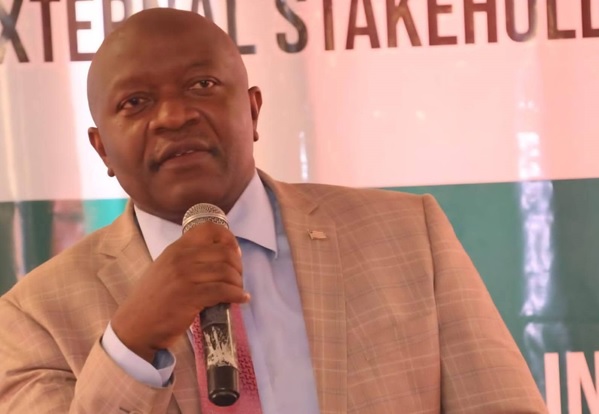
Delivering remarks, Finance Minister Augustine Kpehe Ngafuan stressed that the new plan must outlive personalities and political cycles. He described government officials as “occupants and tenants” of institutions owned by the Liberian people, insisting that the strategic document must reflect the nation’s long-term fiscal aspirations rather than the preferences of those currently in office. He encouraged stakeholders to abandon overly formal exchanges and instead engage in open, frank discussions that could strengthen the planning process.
Minister Ngafuan noted that the Ministry has spent months conducting internal sessions, retreats, and technical consultations. However, he underscored that external viewpoints remain essential to developing what he called a “robust plan that actually guides our path forward.” He emphasized that it is “never too late to get a good idea,” encouraging participants to offer honest assessments of public financial management challenges and opportunities.
Although the plan remains under review, Minister Ngafuan disclosed several priority areas being considered. These include modernizing national financial systems, improving fiscal reporting and accounting standards, enhancing debt management, strengthening public financial administration, digitizing human resource processes, and promoting diversity and inclusion within the Ministry. He added that improving nationwide service delivery through technology is expected to form a central pillar of the new framework.
The Minister also spoke of structural and institutional reforms under discussion by the core drafting team. Among these proposals is the construction of a new Ministry of Finance headquarters to replace the aging Broad Street building, which he described as isolating given that many partner institutions have relocated. Additional recommendations include a review of the 2013 MFDP Act to close operational gaps and strengthening the autonomy of the Office of the Comptroller and Accountant General, which he said still lacks the independence originally intended by law.
Turning to the ongoing national budget debate, Minister Ngafuan expressed confidence in the country’s revenue performance. He announced that even without the one-time US$200 million signature bonus, national revenue has surpassed the US$1 billion mark, making the 2026 fiscal outlook more resilient than earlier projected. “Once we cross this threshold, we don’t intend to take backward steps,” he declared.
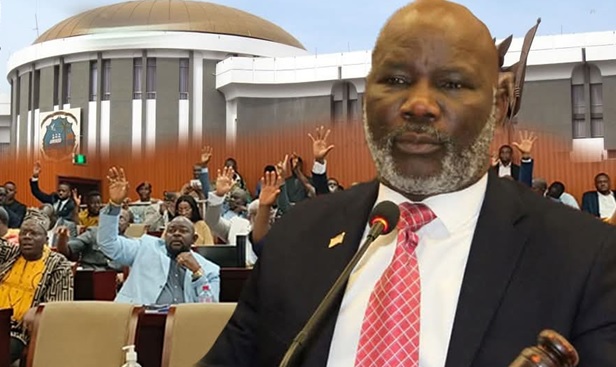
Senate Ways, Means and Budget Committee Chairman, Senator Prince K. Moye, speaking at the engagement, commended the Ministry for what he described as improved fiscal discipline and stronger accountability mechanisms. Senator Moye, who has served over a decade on the committee, said current practices represent progress compared to past years when agencies struggled to receive their allotments after budget passage. He thanked the Ministry’s leadership for what he called “great transformation” and pledged the Senate’s full support for ongoing reforms.
Senator Moye also vowed legislative backing for proposals ranging from institutional relocation to capacity enhancement initiatives. With the 2026 national budget currently under Senate scrutiny, he emphasized that lawmakers remain focused on ensuring that development projects reach the communities most in need and pledged not to “waste the country’s time” during deliberations.
Providing an overview of the planning framework, Deputy Minister for Administration Hon. Jones detailed the methodology guiding the new strategic plan. He said the process is designed to align with the government’s broader five-year development agenda and stems from commitments the MFDP made nearly two years ago to modernize Liberia’s economic governance. That commitment, he explained, included rebuilding institutional systems, restoring public confidence, and reinventing the MFDP as a more capable driver of national development.
Deputy Minister Jones explained that the plan draws lessons from the MFDP’s ongoing work under the Arrest Agenda for Inclusive Development and the Public Sector Investment Plan (PSIP), which now guides governmentwide investment priorities. He described the current engagement as “another step forward” to synchronizing national expectations with the Ministry’s planning objectives.
He outlined the comprehensive approach underpinning the plan’s development, beginning with a situational analysis that reviewed audit findings, existing policies, and operational data. From that baseline, the Ministry established clear strategic objectives and results aimed at closing performance gaps. He added that the Implementation and Results Framework being crafted will assign responsibilities, establish timelines, and outline performance indicators to ensure accountability and guide execution across departments.
Reflecting on the Ministry’s future, Deputy Minister Jones asserted that the new plan will position the MFDP to lead national transformation rather than respond to it. “The plan will allow us to lead the change rather than react to it,” he said. “It will prepare us for new challenges and opportunities and help us adapt to a shifting development landscape.”