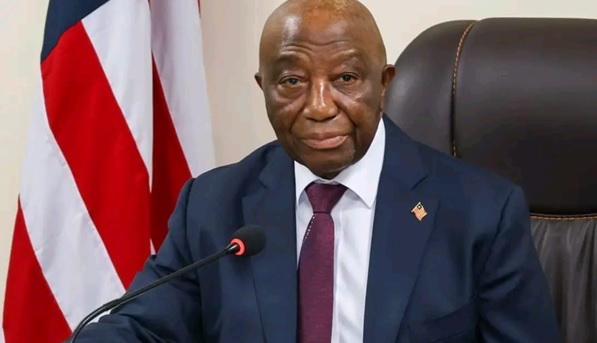
MONROVIA – As Liberia prepares for President Joseph Nyuma Boakai’s State of the Nation Address (SONA) scheduled for 2:30 p.m. today, Monday, January 26, 2026, ordinary citizens are asking whether the speech will confront the nation’s most urgent challenges or deliver only familiar rhetoric. With members of both the House of Representatives and Senate expected to attend, along with foreign ambassadors, the address presents a critical moment for national reflection and accountability.
Liberia’s economy remains fragile despite modest improvements in recent years. According to World Bank assessments, the national poverty rate has slightly decreased in recent years but remains entrenched, with a significant portion of the population continuing to live in poverty, particularly in rural areas.
Despite these modest gains, multidimensional poverty persists in more than half of Liberian households, with rural poverty outstripping urban progress. This stark socioeconomic divide highlights how economic growth has yet to translate into broad-based improvements in living standards.
The government’s five‑year development blueprint, the ARREST Agenda for Inclusive Development, aims to tackle structural constraints by boosting human capital and economic transformation. Yet analysts warn that without deep institutional reforms including stronger revenue mobilization and governance improvements, economic progress may remain limited.
At the heart of Liberia’s economic woes lies a dependency on raw commodity exports that leave the country vulnerable to global price fluctuations. Infrastructure deficits, erratic electricity supply, and weak fiscal capacity also hamper productivity and limit the scope for industrial growth.
Corruption and governance gaps remain persistent obstacles. Transparency International’s Corruption Perceptions Index has ranked Liberia poorly, reflecting ongoing challenges in public sector accountability and trust. Critics argue that corruption continues to drain public resources and undermine investor confidence.
In a significant move toward accountability, President Boakai suspended over 450 government officials for failing to declare assets, a step aimed at reinforcing anti corruption measures, though critics say such actions must be sustained to yield lasting impact.
Human rights conditions continue to raise concerns among civil society and international observers. Informal workers and vulnerable populations still lack adequate legal protections, and calls have grown for stronger enforcement of labor rights and social protections.
Freedoms of expression and civic space also face ongoing pressures, according to human rights assessments, underscoring the need for improved accountability and justice for abuses. Civil society groups argue that systemic impunity and weak institutions undermine the rule of law.
Security concerns extend beyond law enforcement to social stability. Liberia’s youth unemployment remains high, and the informal job market dominates employment opportunities, with many struggling to find stable, formal work.
Drug abuse and community safety are pressing issues as well: in 2025 thousands of Liberians, especially women and youth, protested Liberia’s drug crisis, calling for tougher action and specialized courts to address escalating substance abuse.
Despite these challenges, Liberia holds promising assets, including significant natural resources and a young population that could, with investment, drive innovation and growth.
However, critics argue that without improvements in education, health services, and infrastructure, these assets remain underutilized, and inequalities will persist.
The human development index for Liberia remains among the lowest globally, reflecting gaps in health, income, and education outcomes.
International partnerships continue to support Liberia’s development agenda, with entities like the United Nations and World Bank providing frameworks for cooperation that could bolster domestic reforms.
As ambassadors and lawmakers prepare to hear President Boakai’s address, expectations are high for clarity on how government plans to tackle persistent poverty, bolster economic resilience, and strengthen human rights protections.
Ordinary Liberians are asking: Will this SONA offer real solutions that improve livelihoods and safeguard rights, or will it fall short of addressing the everyday realities faced by the nation’s poor and vulnerable?
Questions on the minds of citizens ahead of the address include:
How will the government address persistent poverty and inequality?
What concrete steps will be taken to diversify the economy beyond commodity dependence?
How will human rights and protections for informal workers be strengthened?
Will the president outline concrete actions to reduce youth unemployment and improve social services?
How will anti‑corruption efforts be sustained beyond symbolic actions?
As Liberia stands at a crossroads, all eyes will be on the President’s words, and whether those words translate into meaningful actions that truly benefit ordinary Liberians.