MONROVIA – The Legislative Budget Office (LBO) of the 55th Legislature has released the schedule for the Fiscal Year 2026 Draft National Budget Hearings, placing heavy emphasis on the revenue component of what is now the largest budget envelope in Liberia’s history. The hearings begin on Wednesday, November 19, 2025, at 10:00 a.m., with frontline revenue-generating institutions expected to defend projections that will determine the country’s fiscal direction for the next year.
The first day of the hearings will feature the Ministry of Finance and Development Planning, Liberia Revenue Authority (LRA), National Port Authority, Liberia Petroleum Refining Company, and the Liberia Maritime Authority. These institutions will appear before the House Committee on Ways, Means, and Finance, chaired by Representative P. Mike Jurry, who will lead the sessions. The LBO notes that team heads and sector ministries will remain present to support the process and ensure factual and coordinated submissions.
The hearings continue on Thursday, November 20, 2025, with six additional institutions including the Liberia Telecommunications Authority, National Fisheries and Aquaculture Authority, National Road Fund, and the Forestry Development Authority expected to present their revenue outlooks. On Friday, November 21, the Liberia Petroleum Regulatory Authority, National Oil Company of Liberia, National Lottery Authority, and the Center for National Documents and Records will take the stand.
Day four, scheduled for Monday, November 24, will cover the Ministry of Labor, Ministry of Transport, Ministry of Foreign Affairs, Ministry of Public Works, and the Ministry of Mines and Energy. The final day of the first phase will bring forward the Liberia Immigration Service, Liberia National Police, National Fire Service, Ministry of Internal Affairs, Ministry of Commerce and Industry along with the Liberia Business Registry, and the Ministry of Post and Telecommunications.
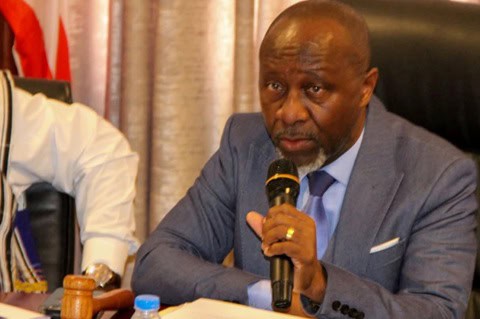
The hearings formally opened with the Joint Committee on Ways, Means & Finance and Public Accounts & Expenditure reviewing the revenue component of the FY2026 Draft National Budget, which stands at US$1.211 billion. Committee Chairman P. Mike Jurry described the process as both a civic responsibility and a constitutional mandate, emphasizing that numbers must match reality. He warned against superficial projections, stating that the budget’s ambition means little if the assumptions behind it cannot be justified.
Jurry highlighted that crossing the US$1 billion revenue threshold signals national potential for transformation, including long-delayed infrastructure ambitions such as the paved road network stretching from Cape Mount to Cape Palmas. The Committee identified several priority areas, including the ArcelorMittal US$200 million signature bonus, realistic revenue assumptions by the LRA, and careful monitoring of borrowing and debt servicing obligations.
The Legislature will also demand county-specific revenue breakdowns, the use of digital transparency tools, and a commitment to performance-based disbursements. The LBO has been urged to deliver rigorous independent analysis to support lawmakers’ oversight function.
Representing the Ministry of Finance, Deputy Minister for Fiscal Affairs Anthony Myers praised the Legislature’s clarity in fiscal direction and reaffirmed the Executive’s commitment to capturing all legitimate revenues. He acknowledged that several components remain under contingency pending legal compliance but insisted that the budget reflects discipline and a national resolve to safeguard the public interest.
LRA Commissioner General James Dorbor Jallah reported that the authority has collected US$715.3 million in domestic revenue as of November 17, surpassing last year’s historic performance. He expressed confidence that the FY2025 revenue target will be exceeded, but cited poor compliance by State-Owned Enterprises as a persistent drag on national revenue growth. Jallah disclosed that the LRA projects US$1.14 billion in domestic revenue for FY2026, alongside US$72 million in external resources, and argued that these targets are achievable with adequate support.
He outlined ongoing reforms, including nationwide Starlink deployment, digital payment expansion, improved taxpayer education, and intensified audits to curb under-declaration. As hearings proceed, Chairman Jurry encouraged active participation from civil society, academia, and the media, asserting that fiscal policy must not remain the exclusive domain of technocrats. He stressed that public engagement is key to ensuring accountability and delivering on national development promises.
The FY2026 National Budget Hearings will continue over the coming days as more revenue-generating entities face legislative scrutiny ahead of expenditure discussions.