MONROVIA – Liberia has officially been reaffirmed as eligible for a second Millennium Challenge Corporation (MCC) Compact, a move hailed as a major foreign policy and governance achievement for President Joseph Nyuma Boakai, Sr. and his administration. The decision follows months of intensive reforms, cross-government coordination, and sustained diplomatic engagement, positioning Liberia to negotiate a multi-million-dollar investment package aimed at strengthening infrastructure, promoting economic growth, and bolstering governance systems.
The MCC, a U.S.-backed development agency, selects partner countries based on rigorous criteria, including good governance, economic freedom, and investment in people. To qualify, countries must pass at least 10 of 20 performance indicators, including a mandatory score on “Control of Corruption.” Liberia’s 2025 MCC Scorecard showed marked improvement across several key areas, including control of corruption, fiscal policy discipline, political rights and civil liberties, trade policy, and gender in the economy. Observers credit these gains to the Boakai administration’s anti-waste initiatives, improved public financial management, and renewed credibility with development partners.
Liberia’s journey to reaffirmation has not been without challenges. The country successfully implemented its first MCC Compact from 2015 to 2021, a US$257 million program that focused on upgrading the Mount Coffee Hydropower Plant, improving electricity sector governance, supporting road maintenance systems, and enhancing the operational efficiency of the Liberia Electricity Corporation. However, governance indicators began to decline after 2020, raising doubts about future MCC eligibility and creating uncertainty for national development planning.
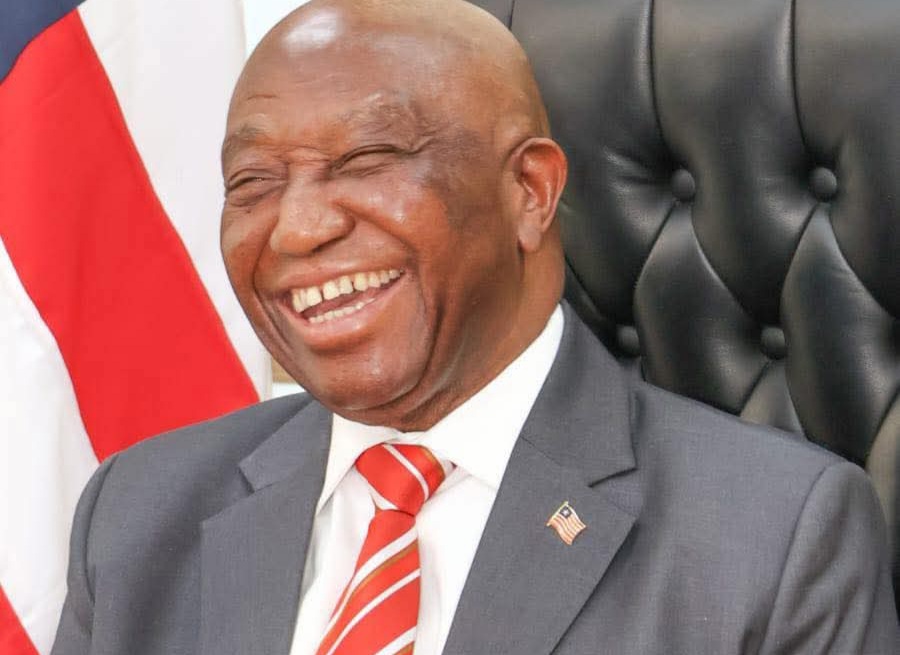
Upon taking office, President Boakai prioritized reversing these declining indicators. His administration pushed for stricter fiscal discipline, transparency measures, and reforms across government agencies, efforts that have now yielded tangible results in the form of MCC reaffirmation. Senior officials argue that the decision validates Liberia’s renewed commitment to accountability, efficient governance, and long-term economic planning.
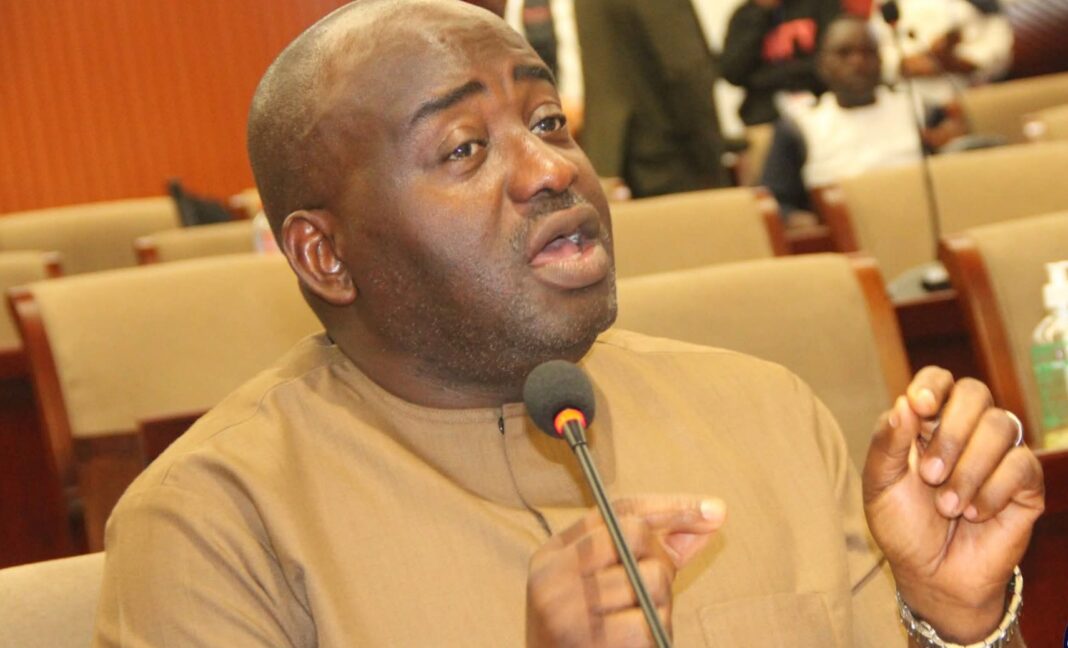
President Boakai described the reaffirmation as “a clear validation of Liberia’s return to credibility, transparency, and disciplined governance.” Finance and Development Planning Minister Augustine Kpehe Ngafuan, who coordinated Liberia’s technical and diplomatic engagements with the MCC, said, “It has been a long and bumpy journey, but we never lost faith. We worked hard, and we have delivered for the President and the people of Liberia.” Analysts note that Minister Ngafuan’s leadership was crucial in aligning Liberia’s policies with MCC standards and maintaining high-level dialogue with Washington.
While the specific focus areas for the second compact will be determined during negotiations, early discussions indicate potential investments in energy expansion, transport and road modernization, agricultural value chain development, and water and sanitation infrastructure. Experts suggest that the second compact could surpass the value of the first if Liberia maintains strong governance and fiscal performance, offering a critical boost to the administration’s national development agenda.
The reaffirmation also carries significant diplomatic and economic implications. Analysts argue that it enhances Liberia’s international standing, reassures investors, and signals to the region that the country is capable of meeting stringent governance benchmarks. With West African neighbors struggling to maintain MCC eligibility, Liberia’s success underscores the Boakai administration’s effectiveness in restoring confidence in its institutions.
However, eligibility is only the beginning. Liberia will now enter a negotiation and project development phase expected to last 12 to 18 months. Successful implementation will depend on sustained reforms, continuous inter-agency coordination, and adherence to rigorous transparency standards. Any backsliding could jeopardize the compact and undermine the gains made thus far.
For the Boakai administration, the reaffirmation represents a turning point. After years of uncertainty, it provides a platform for large-scale development interventions that could transform the country’s infrastructure, energy sector, and governance systems. Experts contend that MCC support has historically served as a catalyst for systemic reform, and Liberia’s renewed eligibility offers an opportunity to accelerate economic transformation while strengthening state institutions.
As Liberia prepares for negotiations, the government faces the dual responsibility of leveraging the compact to achieve tangible national benefits while maintaining the policy and governance standards that earned the reaffirmation. The decision not only marks a diplomatic milestone but also sets the stage for potentially the largest U.S. development engagement in Liberia in over a decade, offering the Boakai administration a strategic advantage in shaping the country’s long-term development trajectory.