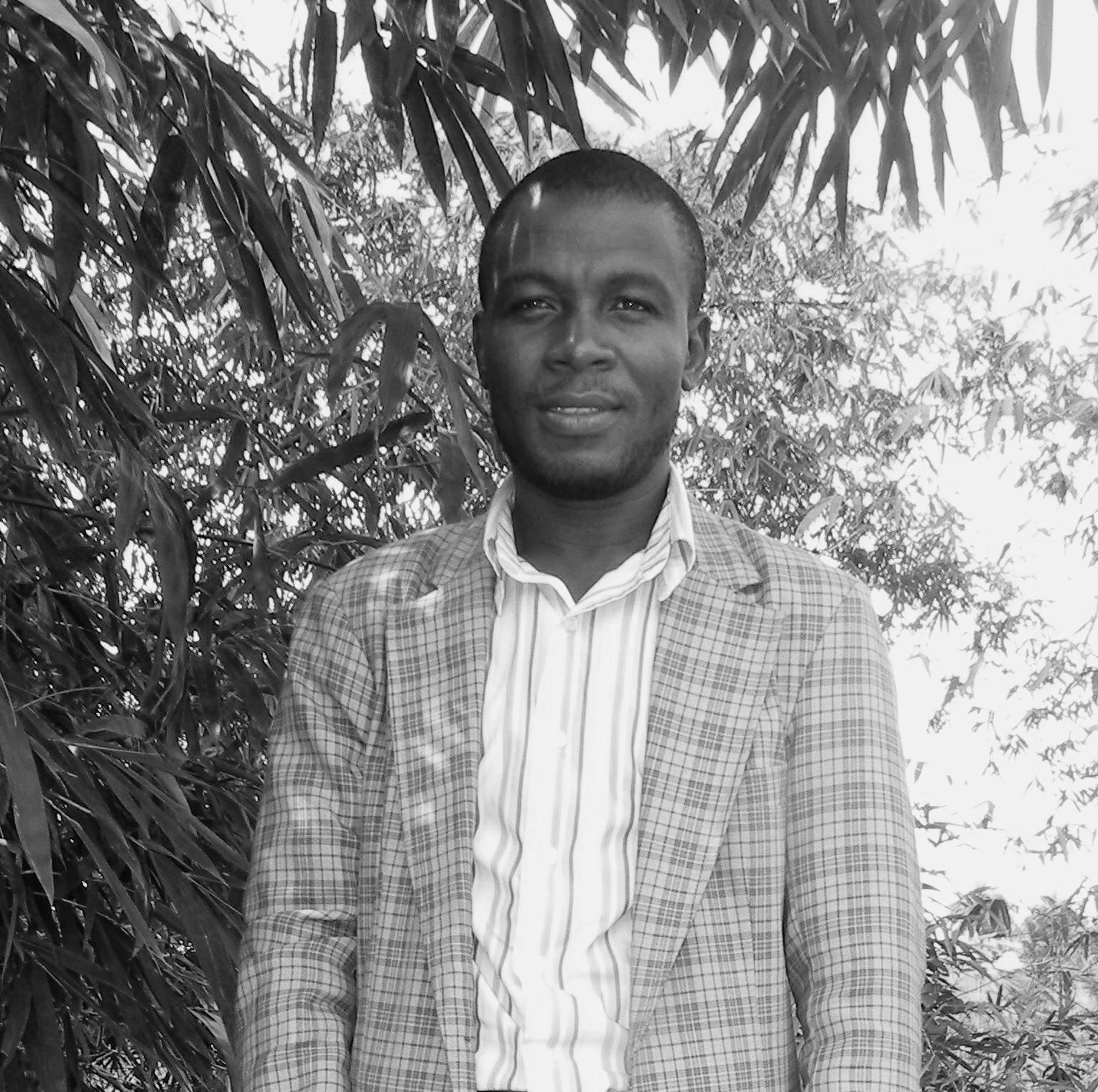
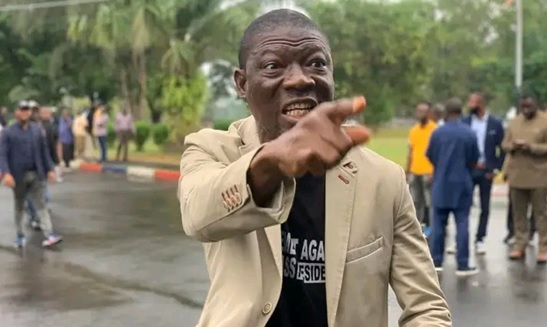
MONROVIA – In a statement on Wednesday, November 5, 2025, Cllr. Kanio Bai Gbala, Assistant Professor of Law at the Louis Arthur Grimes School of Law, has raised serious concerns about the public conduct of Montserrado County District 10 Representative Yekeh Y. Kolubah, arguing that his behavior undermines the dignity and credibility of Liberia’s public institutions. Cllr. Gbala says the country needs leaders who inspire unity and uphold public service, not figures who normalize chaos and personal attacks.
According to Gbala, Liberia has too often tolerated “a reprobate like Yekeh Kolubah,” whom he accuses of consistently acting in ways that demean public office. Gbala notes that public reports link Kolubah’s past to wartime groups associated with abuses, yet rather than demonstrating growth or remorse, Kolubah’s public engagements continue to reflect aggression and disorder. He stresses that national visibility should come with responsibility and restraint, traits he argues are lacking in Kolubah’s conduct.
Gbala cites numerous examples of what he calls a pattern of abusive public behavior. He recalls how Kolubah has repeatedly hurled personal insults at respected national figures, including degrading language directed at the Chief Justice of Liberia. He also references Kolubah’s remarks targeting the wives and mothers of political leaders, including former President George Weah and President Joseph Boakai, a trend Gbala says reflects deep disrespect rather than political courage.
A review of Kolubah’s record inside the House of Representatives reinforces these concerns. In March 2025, the House Majority Bloc suspended him for 30 session days for what was described as “rude behavior” toward the body’s leadership. Earlier that year, the House Committee on Rules, Order and Administration investigated him after a complaint filed on January 30, 2025, alleging repeated misconduct that violated House decorum. On October 14, 2025, he was physically removed from plenary by order of Speaker Richard Koon following another disruptive outburst. These incidents underscore ongoing clashes between Kolubah and House authorities and highlight Cllr. Gbala’s assertion that the lawmaker has become synonymous with institutional disorder.
Gbala argues that these actions are not symbols of bravery or accountability but “abusive speech being performed as if it were leadership.” He warns that Liberia must not confuse destructive behavior with activism or treat hostility toward women as political strength. He insists that the nation cannot allow its Parliament to be transformed into a stage for theatrics driven by anger and personal resentment.
The law professor stresses that Liberia deserves public servants who can disagree respectfully, protect the dignity of women and families, and strengthen institutions rather than tear them down. He maintains that rejecting such conduct is not partisan hostility but a matter of national self-respect and civic responsibility.
Cllr. Gbala further notes that allowing individuals who routinely promote division and disorder to remain in leadership positions sends a harmful message to the next generation. He urges constituents of District 10 and Liberians more broadly to reflect on the example being set before the nation’s youth. He questions whether Liberia can afford to elevate leaders whose behavior contradicts the values of decency and discipline.
By calling for Kolubah’s removal through the democratic process, Gbala places accountability squarely in the hands of voters. He asserts that public office is an honor that should be entrusted only to those who uplift national values rather than degrade them. According to him, repeated misconduct must not be rewarded with continued political relevance.
As Liberia continues to grapple with governance challenges, Gbala’s statement reignites the broader national conversation about ethical leadership and institutional respect. He warns that if Liberia hopes to strengthen democracy and build a stable future, it must reject leaders whose conduct erodes public trust and tarnishes the reputation of national institutions.
In closing, Cllr. Gbala calls on Liberians to embrace a higher standard of public conduct and to demand integrity from those who seek to represent them. He insists that the future of the country, its unity, dignity, and democratic health, depends on citizens’ willingness to reject behavior that divides, demeans, and destabilizes.