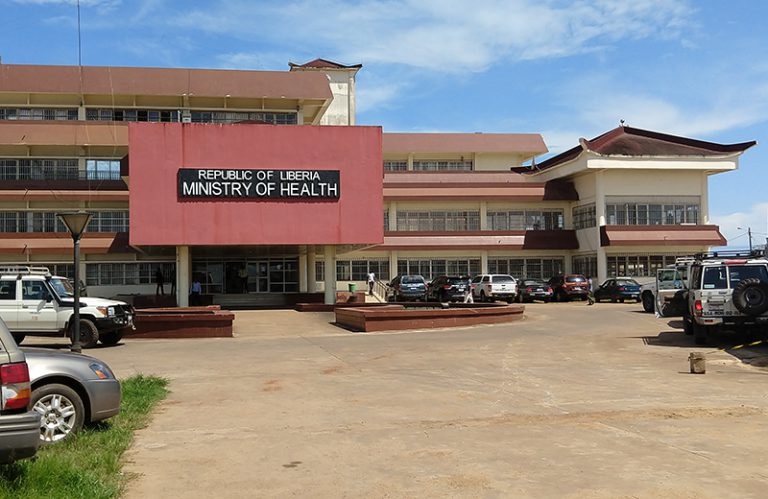
MONROVIA – The Ministry of Health (MOH) has completed a comprehensive nationwide review of maternal, perinatal, and neonatal deaths across Liberia’s 15 counties, focusing on fatalities that occurred between April and June 2025. The exercise, conducted through the Family Health Program (FHP), is part of the government’s efforts to reduce preventable deaths and strengthen accountability in the health sector.
Supported by the World Bank/IFISH project, the review engaged County Health Teams and technical experts who analyzed case files, identified causes of death, validated data, and developed county-specific action plans. The initiative aimed to improve death surveillance, enhance emergency responses, and inform strategies to prevent future fatalities.
Acting Family Health Director Dr. Nuntia K. Gbanlon-Nuahn described the review as a “turning point” for maternal and newborn health in Liberia. “By understanding the circumstances and causes of these deaths, we can put in place stronger systems, better referral processes, and more timely emergency interventions to save lives,” Dr. Nuahn said.
Health Minister Dr. Louise M. Kpoto reaffirmed the government’s commitment to improving healthcare delivery and reducing maternal and newborn mortality. “Every life lost is a tragedy. The Ministry of Health is dedicated to ensuring that women and children receive the care they need when they need it,” Minister Kpoto said.
The review highlighted critical gaps, including delays in referrals and inadequate emergency responses, while also documenting successful interventions in some counties. The findings are expected to strengthen review committees, improve collaboration between national and county health stakeholders, and guide future health policies and programs.
Dr. Nuahn urged all stakeholders, including healthcare providers, government officials, and community leaders, to act collectively to prevent avoidable maternal and newborn deaths. “This review is not an end in itself. It is a call to action for all of us to work together to protect the most vulnerable members of our society,” she said.