
MONROVIA – Liberia is confronting a renewed public health challenge as the National AIDS Commission reports an increase in the number of people living with HIV, rising from 34,000 last year to 36,000 in 2024. The Commission’s latest assessment, released ahead of World AIDS Day on December 1, paints a troubling picture of rising infections concentrated in specific urban and rural communities, with women continuing to bear the greatest burden of the epidemic.
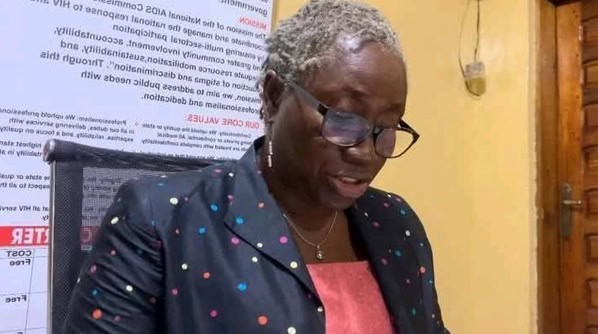
Dr. Cecelia Nuta, Chairperson of the National AIDS Commission, said the new figures should serve as a wake-up call for policymakers and partners. “We now have 36,000 people living with HIV in Liberia. This increase underscores the urgent need for sustained domestic financing and targeted interventions, especially for women who remain disproportionately affected,” Dr. Nuta stated, noting that women account for approximately two-thirds of all cases, about 24,000 nationwide.
Montserrado County remains the epicenter of the epidemic, accounting for 40 percent of all recorded infections. According to the Commission’s breakdown, the county hosts an estimated 14,400 people living with HIV, with DuPort Road alone topping the national list of hotspots with 4,456 cases. Other heavily impacted communities include Paynesville’s Red Light and surrounding corridors, Duala, New Kru Town, Sinkor, West Point, Logan Town, Gardnersville, and Caldwell. These dense communities continue to experience structural vulnerabilities that heighten exposure and limit access to consistent care.
The situation in Nimba County is equally concerning, with 7,200 residents currently living with the virus. Ganta accounts for the highest number of cases in the county, followed by Sanniquellie, Tappita, Bahn, Karnplay, and several towns across Zoe Geh District. Health workers in Nimba have long warned that mobility, cross-border trade, and limited rural health facilities pose significant challenges to slowing transmission.
Lofa County registers 5,400 cases, making it the third-most affected region. Communities in Voinjama, Foya, Zorzor, Kolahun, and Salayea continue to record rising infections amid concerns over limited testing coverage and inconsistent community awareness programs. Local health teams say the numbers reflect long-standing gaps that require heightened attention from national authorities.
Across the remaining counties, the Commission reports a combined total of 9,000 cases, with Bong, Grand Bassa, Margibi, Maryland, Grand Gedeh, Sinoe, Bomi, Gbarpolu, River Cess, Grand Kru, and River Gee all contributing to the national burden. Though the numbers in some of these counties are smaller, the Commission warns that reduced figures should not be mistaken for reduced risk, stressing that inadequate resources in these areas could allow infections to escalate unchecked.
In Bong County, Gbarnga remains the most affected community, while in Grand Bassa, Buchanan leads the county’s case load. Margibi’s hotspots include Kakata and the Firestone belt, while Harper and Pleebo dominate the numbers in Maryland County. Similar patterns emerge in Grand Gedeh, Sinoe, Bomi, and the other rural counties, where limited healthcare infrastructure continues to slow testing and treatment uptake.
Dr. Nuta emphasized that the geographic spread of the virus highlights the urgent need for a decentralized and sustained response. “Counties like Montserrado, Nimba, and Lofa require robust interventions, but we must not overlook the smaller counties. Every infected person deserves access to treatment, prevention tools, and proper counseling,” she said. She added that the Commission is pushing for increased domestic funding to ensure continuity of services amid declining donor resources.
Health advocates have long warned that Liberia risks losing ground in the fight against HIV if investments in awareness, testing, and treatment are not increased. They argue that persistent stigma, misconceptions, and lack of regular testing continue to fuel new infections, particularly among young people and women in densely populated communities.
As the country prepares to commemorate World AIDS Day, the Commission says it will intensify community outreach campaigns, mobilize local health structures, and advocate for renewed government commitment. Dr. Nuta noted that the updated data should guide all stakeholders in prioritizing resources and interventions. “This detailed breakdown tells us exactly where the need is greatest,” she said. “The work ahead is significant, but with the right level of support, we can curb new infections and ensure that everyone living with HIV receives the care they deserve.”
The latest figures serve as both a warning and a call to action. While progress has been made over the years, the rising number of infections and the gender disparities in the epidemic underscore the necessity for a more aggressive, community-centered approach. Liberia’s public health authorities say they remain committed, but the success of their efforts will depend heavily on sustained national leadership, strong partnerships, and collective determination to address the epidemic where it is strongest.