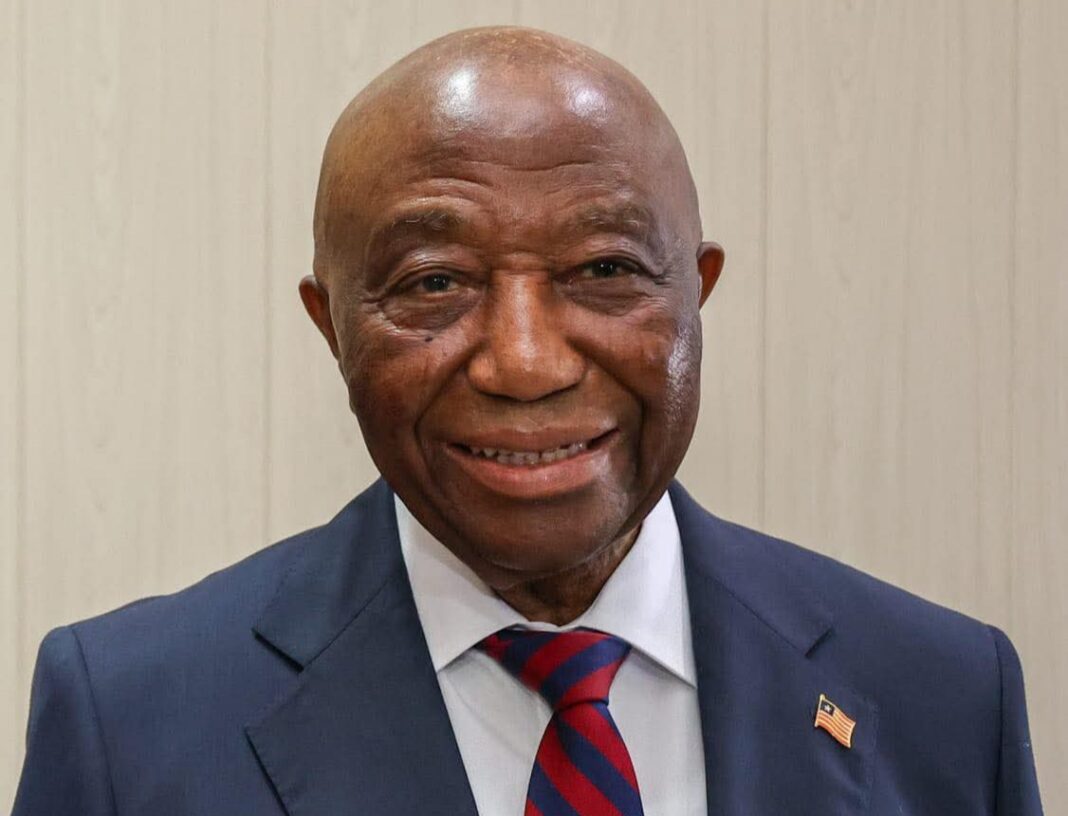
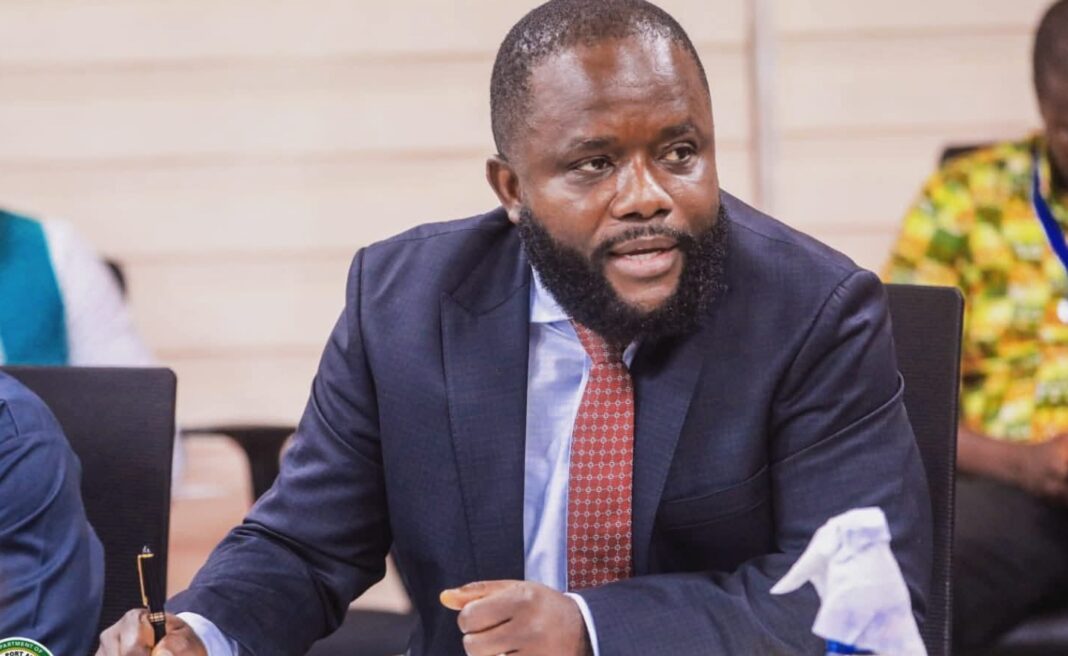
MONROVIA – Allegations of serious financial and administrative irregularities have surfaced against Sekou Dukuly, Managing Director of the National Port Authority (NPA), prompting political leader of the Economic Freedom Fighters of Liberia (EFFL) Emmanuel Gonquoi to write to President Joseph Nyuma Boakai for urgent intervention. Gonquoi’s letter, shared publicly on January 21, 2026, details multiple instances of alleged mismanagement that, if true, could compromise one of Liberia’s most critical revenue-generating institutions.
The letter, titled “Briefing Note: Alleged Financial and Administrative Irregularities at the NPA,” outlines a range of concerns, including improper payments, procurement irregularities, and governance lapses. Gonquoi requests immediate presidential action to ensure accountability, safeguard national revenue, and restore confidence in the institution.
Among the key allegations is a payment of approximately US$90,000 to a former NPA Chief of Staff, reportedly made without court orders or legal documentation. Gonquoi claims the funds were withdrawn within hours and may have been used for lobbying or influence activities, raising questions about adherence to financial management regulations.
The correspondence also flags a US$300,000 fire truck purchase, asserting that full payment was made upfront for a vehicle later deemed unfit for service by the National Fire Service. Gonquoi cites possible violations of procurement regulations, kickback demands, and retaliatory actions against staff as evidence of systemic governance weaknesses.
Further concerns involve the management of Liberia Maritime Corporation (LMC) and Buchanan Maritime Corporation (BMC) facilities. Gonquoi highlights reports indicating poor oversight under Dukuly, including a proposed revenue split that would allocate 85 percent to private management and 15 percent to NPA, conducted without a transparent public-private partnership process. He warns that this structure risks long-term revenue loss and undermines institutional credibility.
Employee welfare is another critical issue raised in the letter. Gonquoi points to disproportionate transportation charges on rice distributions and discretionary fund expenditures reportedly costing NPA over US$500,000 annually, alongside covert security spending exceeding US$700,000. Such practices, he contends, have eroded worker morale and created dissatisfaction among staff.
The letter also underscores procurement and contracting irregularities, highlighting repeated awards of contracts, including vehicle rentals, consultancy services, and automation projects, without competitive bidding or demonstrable institutional benefit. Gonquoi notes that some contracts appear linked to politically connected individuals, raising ethical and governance concerns.
Gonquoi further warns of potential misuse of a US$3.5 million loan for capital projects, claiming funds intended for infrastructure development were diverted for redundancy payments. He cautions that the lack of post-disbursement oversight could lead to fiscal losses, public mistrust, and reputational damage for the government.
To address these concerns, Gonquoi urges President Boakai to authorize a forensic audit of NPA financial activities by the Liberia Anti-Corruption Commission (LACC) and the Financial Intelligence Unit (FIU). He also recommends establishing a presidential investigative panel to review procurement, finance, and operations, suspend questionable contracts, and implement protections for whistleblowers.
Concluding his briefing, Gonquoi stresses that the NPA is too critical to Liberia’s economy to be compromised by mismanagement. He emphasizes the need for swift presidential action to restore institutional integrity, safeguard national revenue, and reinforce the government’s reform mandate. Gonquoi offers to provide documentation, testimony, or further clarification as necessary to facilitate urgent intervention.