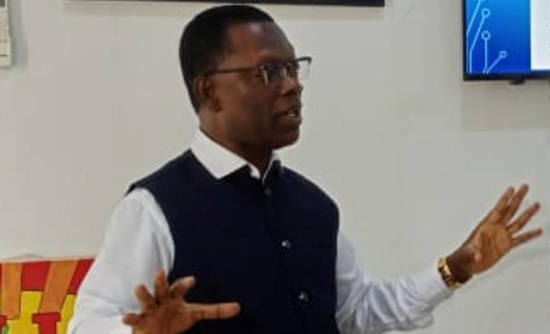
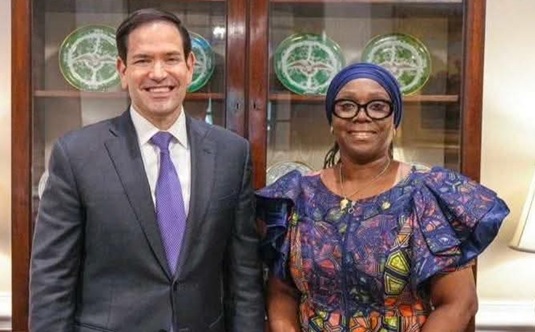
MONROVIA – A sharp critique from 2029 presidential hopeful Matthew Nyanplu has cast a shadow over the Boakai administration’s latest diplomatic engagement with the United States. While Foreign Minister Sara Beysolow Nyanti’s recent meeting with U.S. Secretary of State and Acting National Security Advisor Marco Rubio has been hailed as a breakthrough, Nyanplu questioned whether President Joseph Nyuma Boakai’s government has the competence and vision to turn diplomatic wins into tangible national progress.
In a statement issued on Sunday, October 19, 2025, Nyanplu praised Minister Nyanti for achieving what he described as a “diplomatic feat” the previous Weah administration could not. But he also cautioned against complacency, urging honesty and accountability from public officials. “We urge her to be humble and truthful, and admit her failings when she falls short. Good public servants do not bluff their way out of failures. Not one of us is infallible,” Nyanplu declared. He added, “We hope that this first engagement has opened a clear channel of engagement between Liberia and the United States and that Liberian officials under Mr. Boakai will increase their efficiency and deliver for the people of Liberia. We however do not have confidence that Mr. Boakai is competent and capable enough to oversee the transformation our country sorely desires.”
His remarks came just days after Foreign Minister Nyanti met with Secretary Rubio at the White House on Thursday, October 16, 2025, in what the Liberian government has framed as a major diplomatic success. The meeting focused on strengthening U.S.-Liberia relations through strategic investment, migration reform, and economic development. The engagement builds on President Boakai’s landmark July 2025 visit to President Donald Trump, which the administration had touted as the beginning of a new chapter in bilateral cooperation.
During the White House discussions, Minister Nyanti emphasized Liberia’s readiness to deepen collaboration with the United States. “This government is determined to turn Liberia’s natural wealth into shared prosperity for all Liberians,” she stated, pointing to critical infrastructure, minerals, and mobility frameworks as areas for partnership. She described the engagement as “not only a diplomatic success; it is a victory for every Liberian who believes in a future defined by opportunity, dignity, and progress.”
Secretary Rubio welcomed Liberia’s proactive approach, reiterating Washington’s commitment to expanding economic and diplomatic ties. He praised the Millennium Challenge Corporation (MCC) for supporting infrastructure projects aligned with U.S. investment objectives and Liberia’s national development agenda. State Department spokesperson Tommy Pigott later confirmed that the discussions explored avenues for expanding U.S. participation in Liberia’s critical minerals sector to create jobs and stimulate economic growth in both countries.
Migration reform was also central to the talks. Nyanti highlighted progress made by Liberia’s Presidential Taskforce in addressing longstanding U.S. immigration issues. Liberia currently grants U.S. citizens three-year visas, but the United States has limited Liberian visa durations to one year since the end of the civil war. Secretary Rubio expressed Washington’s intention to restore visa reciprocity in several categories, acknowledging Liberia’s reform efforts and commitment to transparent migration practices. In September, Nyanti had also addressed migration challenges at a U.S. policy forum alongside Deputy Secretary of State Christopher Landau, positioning Liberia as a key voice on regional mobility issues.
The White House meeting concluded with agreements to explore mechanisms for managing migration and harnessing Liberia’s critical minerals to boost job creation. The Government of Liberia later issued a statement welcoming the “renewed confidence” expressed by the United States, framing the engagement as the foundation for a new era of cooperation anchored in shared values, peace, and prosperity.
While these developments mark a diplomatic milestone, Nyanplu’s remarks reflect a growing sentiment among critics that foreign policy achievements must be matched by effective governance at home. They argue that without clear strategic direction, transparent management of resources, and efficient implementation, diplomatic breakthroughs risk becoming symbolic gestures rather than instruments of real national transformation.
As President Boakai positions Liberia closer to Washington, the true test will be whether his administration can translate goodwill into tangible outcomes that address the country’s pressing economic and governance challenges. During his July visit to Washington, Boakai pledged to build “trusted partnerships that reflect Liberia’s commitment to stability, transparency, and shared prosperity.” For many Liberians, the coming months will reveal whether that pledge is more than just diplomatic rhetoric.