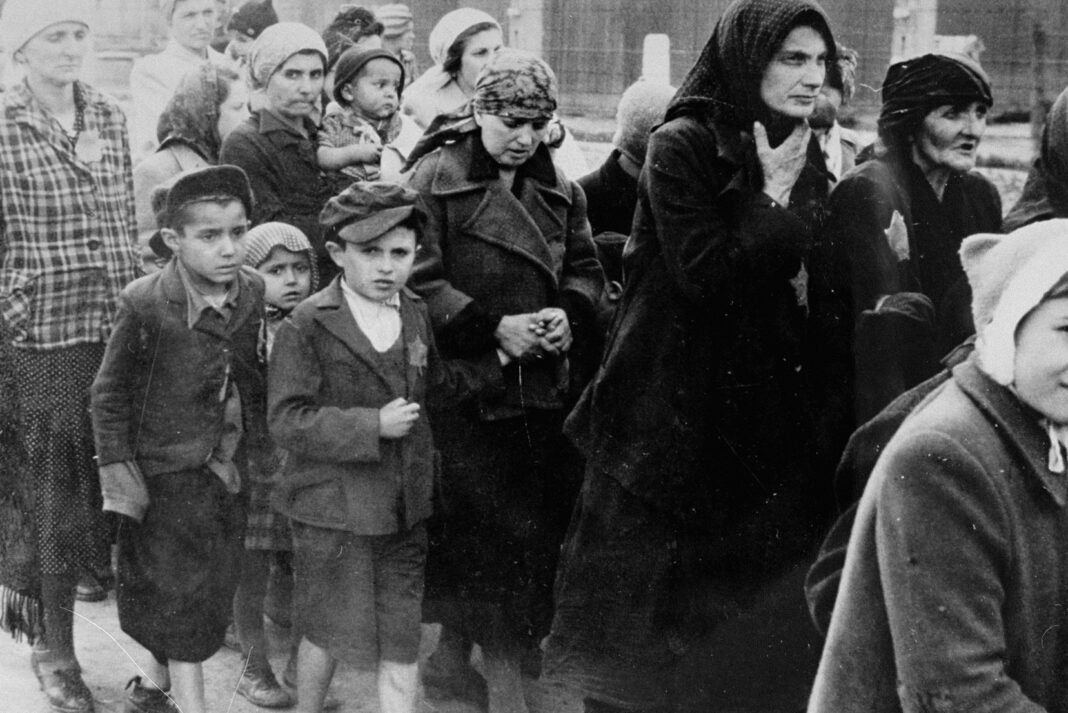
MONROVIA – The United States Embassy in Monrovia on Tuesday, January 27, 2026, commemorated International Holocaust Remembrance Day (IHRD), marking a global reflection on the atrocities committed during the Holocaust and the enduring lessons for humanity.
In a Facebook post, the US Embassy highlighted that the United Nations established January 27 as International Holocaust Remembrance Day in 2005. “Eighty-one years ago, on January 27, 1945, the Soviet Army liberated the Nazi concentration and death camp at Auschwitz-Birkenau in occupied Poland,” the Embassy stated. “Other camp liberations by U.S. soldiers and our Allies occurred across Europe.”
The embassy emphasized that the day is not only about remembering the six million Jews murdered during the Holocaust but also the millions of others persecuted and killed by the Nazi regime and its collaborators. “International Holocaust Remembrance Day calls us to reaffirm principles by honoring the six million Jews murdered in the Holocaust and the millions of others who were persecuted and perished,” the post read.
Reflecting on the US’s role in promoting human rights, the embassy said, “For the United States, Holocaust remembrance is not only a solemn obligation; it is a cornerstone of our post-war leadership, shaping our commitment to human rights, atrocity prevention, and the defense of historical truth in the face of distortion and denial.”
The embassy connected the lessons of the Holocaust to broader values, noting that as the United States prepares to mark its 250th anniversary, it reflects on enduring principles that have guided the nation: human dignity, liberty, and justice. These values, the embassy emphasized, are critical in preventing the recurrence of such atrocities worldwide.
Highlighting the importance of remembrance, the embassy reminded Liberians that learning from history is key to protecting vulnerable populations. The post emphasized that Holocaust remembrance is not merely historical, but a call to vigilance against oppression, hatred, and discrimination in all forms.
The US Embassy also noted the ongoing global challenge of Holocaust denial and distortion. “Defending historical truth is an essential part of our obligation,” the statement said, underlining that education and awareness are vital tools in combating misinformation and preserving memory.
Through its social media engagement, the embassy urged citizens to reflect on both historical lessons and contemporary responsibilities. The message reinforced that remembrance extends beyond commemoration; it is about fostering ethical leadership, accountability, and respect for human rights in every society.
The embassy’s post was clear in linking the Holocaust to modern principles of justice. It urged nations, including Liberia, to uphold the values of human dignity and liberty while actively combating prejudice, discrimination, and the marginalization of vulnerable groups.
In closing, the US Embassy in Monrovia stated that International Holocaust Remembrance Day is a moment to honor those lost, educate future generations, and recommit to preventing future atrocities. “By remembering the horrors of the past, we strengthen our resolve to defend human rights and justice for all,” the post concluded.