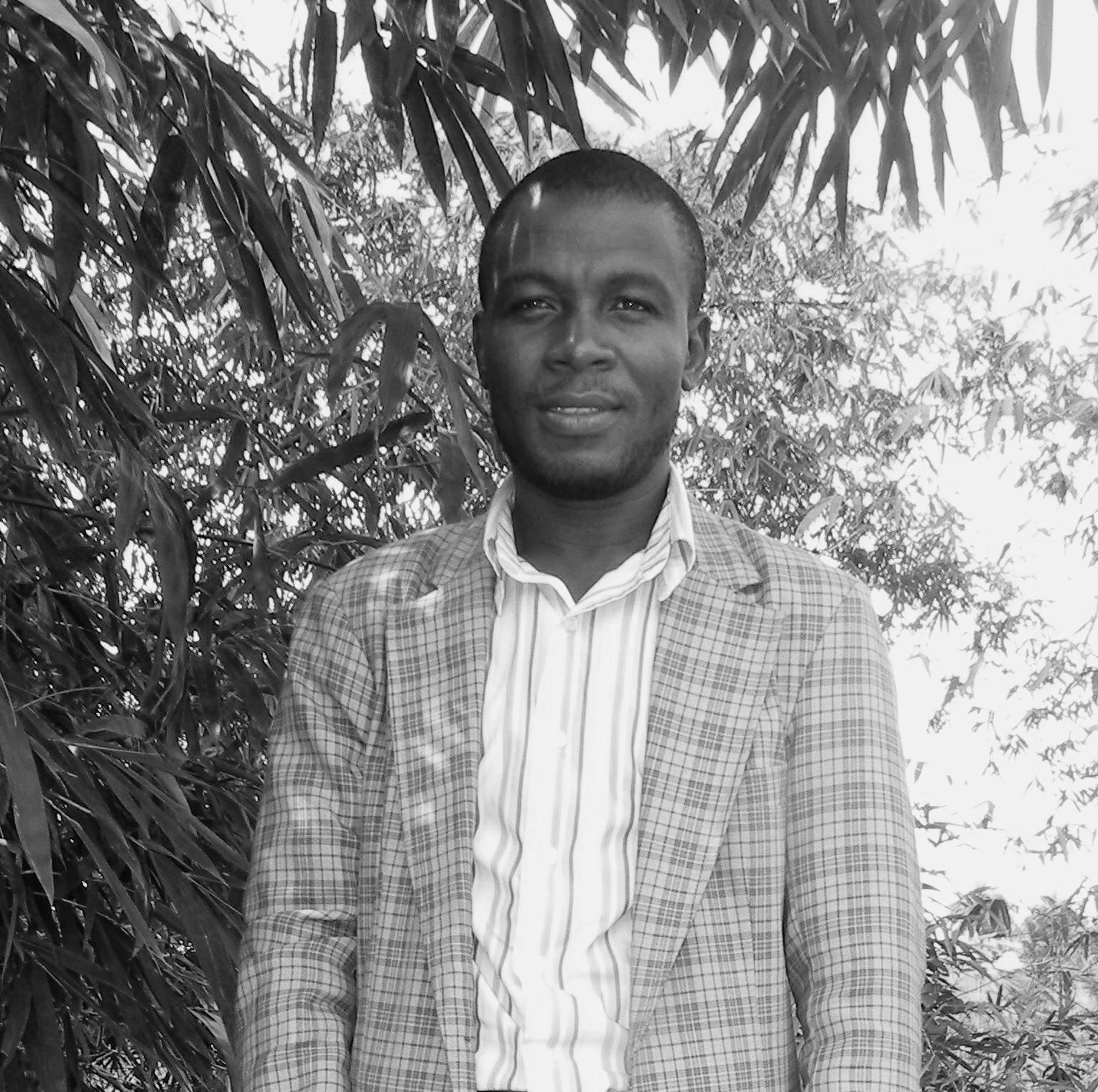

MONROVIA, LIBERIA – Former Gbarpolu County Senator Armah Zolu Jallah has praised President Joseph Boakai’s decision to revoke the operating license of Bao Chico Resources Liberia Ltd., describing it as a critical step toward restoring accountability in Liberia’s troubled mining sector. Jallah, in a statement issued on Thursday, May 15, called for the prosecution of individuals and institutions that violated Liberia’s mining laws and enabled the company’s controversial operations in Gbarpolu and surrounding counties.
President Boakai’s action, announced by Information Minister Jerolinmek Piah during a Ministry of Information press briefing, follows widespread complaints from residents in Montserrado District 17, Bomi, and Gbarpolu. Communities accused Bao Chico, a Hong Kong-registered firm, of causing environmental destruction, endangering public safety, and disregarding community welfare through its use of heavy iron ore trucks. These trucks, locals say, have turned rural roads into death traps, with dust, traffic congestion, and damaged infrastructure now common grievances.
Jallah thanked the president for taking heed of long-standing community concerns, calling the license revocation “a sign that the President is listening to the people.” However, he warned that revoking the license was only a first step and pressed for deeper action. “The damage already done to communities, private property, and the environment demands more. Those who breached the Mineral Development Agreement, ignored their obligations to host communities, or allowed illegal activities to continue must be held accountable,” he emphasized.
The former senator called for a full forensic audit into Bao Chico’s operations, including its compliance with the Mineral Development Agreement, payments owed to the government and communities, and compensation to landowners and affected residents. He also raised serious concerns over the misuse of Class B and Class C licenses by foreign companies, especially Chinese firms, who he claims are carrying out large-scale industrial mining operations under permits meant for small-scale or artisanal use.
Jallah warned that such practices not only violate Liberia’s laws but undermine local development, transparency, and national sovereignty. “The continued misuse of Class C and B licenses by foreign operators is a blatant abuse of our laws. We must not allow artisanal licenses to serve as a cover for commercial exploitation,” he said.
He called on President Boakai to establish a high-level task force to investigate license compliance across the mining sector, penalize violators, and recommend reforms to strengthen the country’s extractive governance framework. “This moment presents an opportunity for Liberia to reset its mining governance in the interest of its people. The law must apply equally to companies, to regulators, and to enablers,” he noted.
Jallah concluded by reaffirming his commitment to advocating for justice in resource management, the empowerment of local communities, and strict adherence to the rule of law.