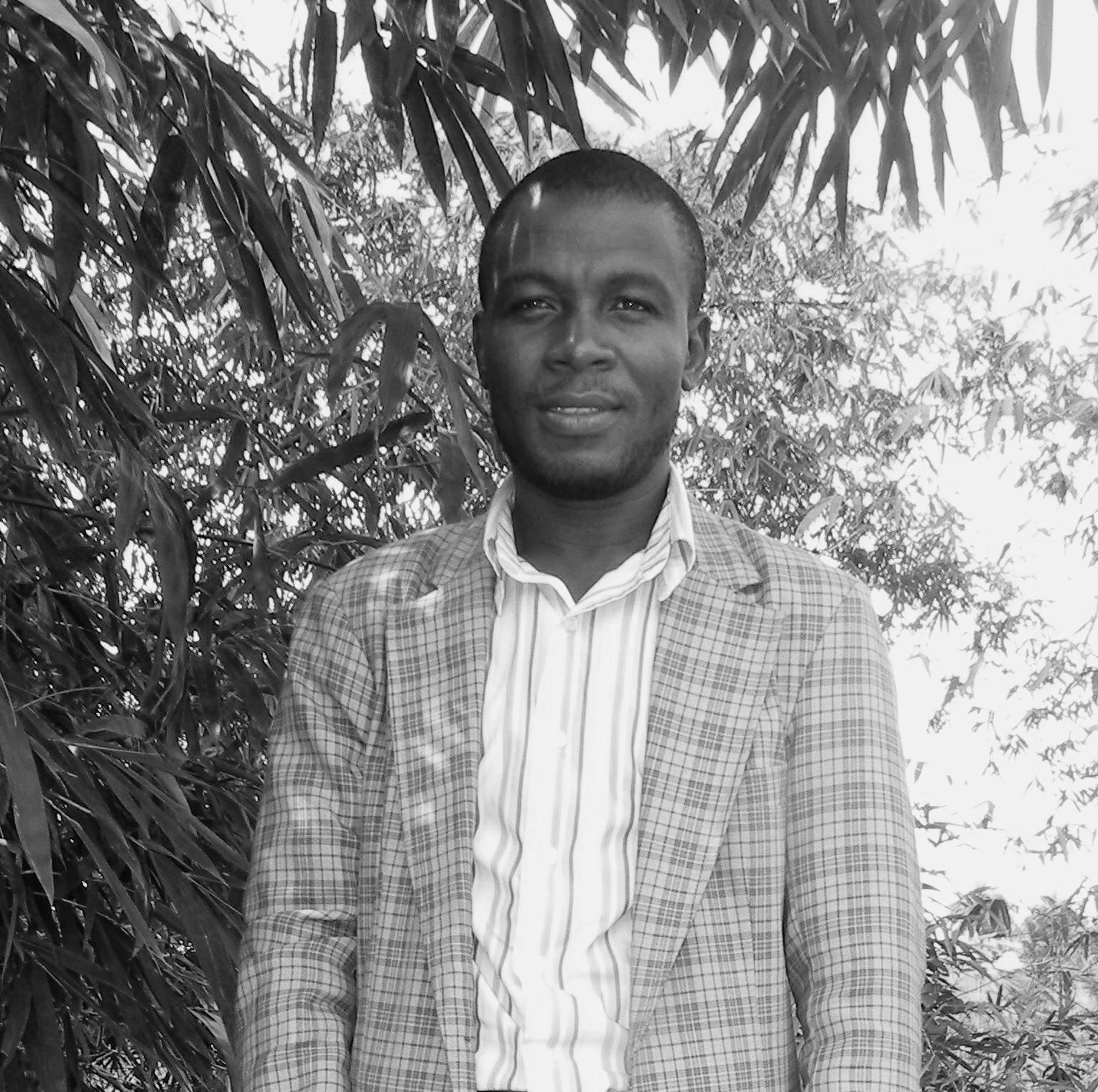
MONROVIA – Liberian activist in exile and former student leader Martin K. N. Kollie has urged President Joseph Nyuma Boakai to take immediate action to reform Liberia’s long-standing concession agreements as Firestone Rubber Plantation celebrates 99 years of operation in the country. In a letter dated December 5, 2025, Kollie highlighted decades of industrial rubber production in Margibi County, questioning why nearly a century of operations has produced little tangible benefit for local communities.
Firestone began operations on November 18, 1926, and marked 99 years of continuous activity on November 18, 2025. Kollie underscored that the company initially acquired one million acres of land for just six cents per acre, totaling only US$60,000, a fraction of the land’s current market value, which he estimates would exceed US$400 million today.
“The question, Mr. President, is simple: is 60,000 dollars for 1 million acres not a land grab?” Kollie asked. He added that only 118,990 acres have been actively utilized over 99 years, leaving nearly 881,010 acres idle, highlighting the urgent need for land reform in Liberia.
Kollie challenged the government to assess what the nation has gained from nearly a century of Firestone operations. He noted that residents in plantation towns such as Harbel still live in huts without access to safe drinking water, electricity, quality healthcare, education, or proper roads. Youth unemployment remains high, and local communities continue to suffer from food insecurity.
The activist emphasized the need to move from raw material exports toward value-added manufacturing. “In 2026, Firestone will begin a new journey. It is time to shift towards manufacturing rubber tires, buckets, slippers, gloves, and other products. This is where true economic growth and local development lies,” he wrote, urging the government to ensure the company pays its fair share and contributes meaningfully to community development.
Kollie also drew attention to other long-term concession agreements in Liberia. He cited Golden Veroleum, with a 65-year contract ending in 2075, and Sime Darby/Mano Palm Oil Industries, with a 63-year concession ending in 2072. Despite decades of operation, counties like Sinoe and Bomi remain underdeveloped and impoverished.
Cavalla Rubber Corporation (CRC) and the Liberian Agricultural Company (LAC) were highlighted as further examples of concessions failing to deliver tangible socio-economic benefits. Communities in Maryland and Grand Bassa counties continue to lack safe drinking water, electricity, and quality education.
Salala Rubber Corporation, which has operated for over 66 years in Margibi County, remains a stark example of persistent underdevelopment. Residents in Kakata still live in substandard housing and lack access to basic services, despite decades of industrial activity.
Firestone Rubber Plantation itself, now operating under a contract that spans a total of 125 years when including extensions, underscores Liberia’s failure to translate resource extraction into local development. Kollie asked President Boakai, “Has anything changed in Harbel after 115 years of rubber production and export? Are young people still massively unemployed?”
Kollie recommended immediate governmental action to address these issues, including a thorough review and renegotiation of all concession agreements, implementation of profit-sharing mechanisms, and enforcement of compliance for long-term violations. He also called for amendments to the revenue code to protect public interest and maximize the benefits of natural resource exploitation.
The activist further urged the administration to enforce regulations under the Extractive Industries Transparency Initiative (EITI) and Liberia’s Ministry of Mines and Mineral Resources laws. He stressed that without such reforms, Liberia will continue to be aid-dependent, food-insecure, debt-ridden, and mired in poverty.
Kollie warned that multinational companies have profited excessively from Liberia’s natural resources while local communities remain marginalized and impoverished. He emphasized that this man-made suffering must end and that decisive government intervention is required to ensure that resource wealth benefits the people.
Recalling previous discussions with President Boakai since January 2024, Kollie stressed the urgency of reform. He cautioned that failure to act would perpetuate decades of underdevelopment and deny Liberians the economic benefits of their own natural resources.
He proposed that the government start with six major concession companies, including Firestone, Golden Veroleum, Sime Darby, CRC, LAC, and Salala Rubber, to immediately review agreements, enforce compliance, and ensure local communities receive their fair share of benefits.
Kollie concluded his letter with a stark challenge: “November 18, 2025 made Firestone Rubber Plantation 99 years in Liberia. What do we have to show for this, Mr. President?” He called on the administration to prioritize public interest and ensure that revenues generated from concessions translate into tangible improvements in infrastructure, healthcare, education, and employment for Liberians.