
By Socrates Smythe Saywon | Smart News Liberia
Exiled activist claims a fictitious company was used to conceal cocaine shipments through Roberts International Airport and questions why alleged company owners have not been publicly identified in the investigation.
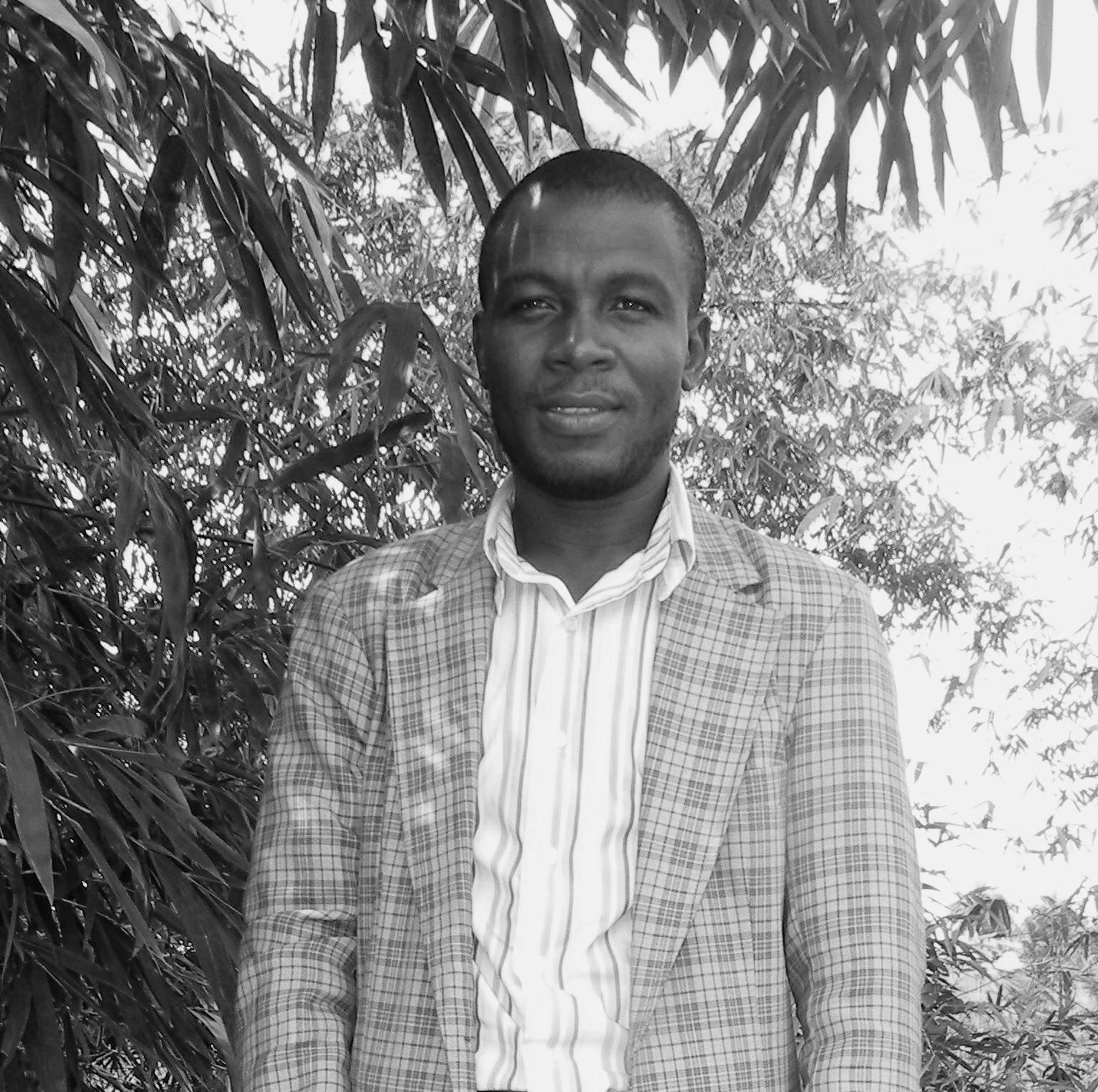
MONROVIA – Exiled Liberian activist Martin K. N. Kollie on Friday, June 19, 2026, released a series of explosive allegations that he says expose a sophisticated drug trafficking network operating through Roberts International Airport (RIA), raising new questions about the ongoing investigation into Liberia’s record US$19.2 million cocaine seizure.
Through a three-part investigative series containing video footage, photographs, business registration records, and other documentary evidence, Kollie alleges that individuals linked to a cargo and logistics network used a non-existent company as a cover to facilitate cocaine shipments through Liberia’s main international airport.
More significantly, Kollie is questioning whether authorities are focusing primarily on lower-level employees while failing to publicly identify or investigate individuals he describes as the “big fish” behind the operation.
The allegations emerge as Liberia continues to grapple with the fallout from one of the largest cocaine cases in the country’s history, a scandal that has intensified concerns about transnational drug trafficking networks and the potential exploitation of Liberia’s aviation and cargo systems.
According to Kollie, the controversy stretches back weeks before the recent US$19.2 million cocaine seizure.
In the first installment of his investigation, the activist alleged that a consignment of approximately 100 kilograms of cocaine entered the Roberts Air Cargo Center on May 22, 2026. He claims surveillance footage shows a yellow taxicab bearing license plate TX 10609 transporting four boxes allegedly containing cocaine onto airport premises.
Kollie further alleged that the vehicle entered the cargo compound at approximately 3:30 p.m. and departed less than 20 minutes later after delivering the shipment.
He argues that the movement of the consignment raises serious questions about security procedures, cargo screening systems, and internal oversight mechanisms at one of Liberia’s most critical transportation facilities.
Central to Kollie’s allegations is a company identified on cargo documentation as “Emre Venn Group of Companies,” which reportedly appeared as the consignor on an Air Waybill associated with the shipment.
However, Kollie claims extensive searches through records maintained by the Liberia Business Registry and the Liberia Revenue Authority failed to uncover any legally registered entity operating under that name.
According to him, the company does not exist in Liberia and was allegedly used as a front to conceal the identities of individuals and entities involved in the shipment.
“The biggest lie,” Kollie declared in his investigation, alleging that Liberians were deliberately misled about the true source of the cargo.
Instead, Kollie alleges that the actual entity connected to the shipment is EHS Africa Logistics, also known as Express Handling Services Africa Logistics, a company whose employees he claims were involved in the handling and movement of the cargo.
His allegations specifically identify Emmanuel Zeon as the individual seen in video footage allegedly delivering the shipment. Kollie disputes earlier claims circulating on social media regarding Zeon’s affiliation and insists that the transporter was connected to EHS Africa Logistics rather than the purported consignor listed on shipping documents.
The activist further alleges that the use of what he describes as a “ghost company” may have been part of a broader effort to conceal the origins and movement of narcotics shipments.
In the third installment of his investigation, Kollie shifted attention to the ownership structure of EHS Africa Logistics.
Citing business registration documents he says he obtained, Kollie identified Nigerian national Oluwatosin Coker as holding an 80 percent ownership stake in the company and Liberian businessman Arthur B. Abdullai as holding the remaining 20 percent.
Kollie also alleged that the company’s registration expired on May 3, 2026, raising additional questions regarding its operational status at the time of the alleged shipment.
The activist argued that authorities should explain why company employees have reportedly been named in connection with the investigation while the owners themselves have not been publicly identified as persons of interest.
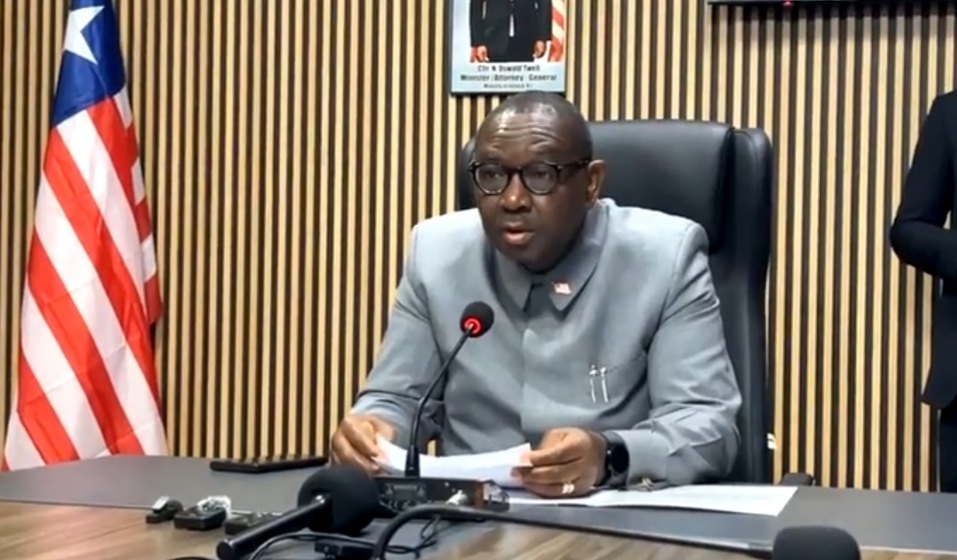
“Mr. Minister, why did you leave the big fish out?” Kollie asked in a direct challenge to Justice Minister Oswald Tweh.
He contends that investigators should examine not only those accused of physically handling shipments but also individuals responsible for company management, supervision, and decision-making.
Adding another layer to the controversy, Kollie referenced a 2011 United Nations Security Council report that allegedly mentioned an individual bearing the name Arthur B. Abdullai in relation to concerns involving cargo and aviation activities.
While Kollie argues that the reference warrants scrutiny, no public evidence has been presented linking the current cocaine investigation to any prior allegations, and authorities have not publicly commented on the claim.
The activist also challenged the listed address of the purported “Emre Venn Group of Companies,” alleging that extensive searches conducted in Sinkor failed to locate any business operating under that name.
According to Kollie, the inability to locate the company further strengthens his contention that it was used as a fictitious entity to facilitate cargo transactions while shielding the identities of the actual actors involved.
The allegations have intensified public calls for transparency as authorities continue investigating the record cocaine seizure.
Critics of President Joseph Boakai’s administration, particularly on Facebook and other social media platforms, argue that Liberians deserve answers not only about how such a significant quantity of narcotics entered the country’s aviation system, but also whether previous shipments may have passed through undetected and whether influential individuals in business, politics, or government played any role.
The controversy has also intensified public concern over cargo handling procedures at Roberts International Airport and raised questions about the effectiveness of Liberia’s anti-narcotics and border security framework.
As the government continues its investigation, the debate is no longer focused solely on the seizure of cocaine worth millions of dollars. The larger question now being raised by activists, civil society actors, and concerned citizens is whether the investigation will stop with drivers, handlers, and employees, or whether it will follow the evidence wherever it leads, including to company executives, financiers, facilitators, and any influential figures who may have played a role in one of Liberia’s most consequential drug trafficking scandals.
On Monday, June 8, 2026, the Liberia Drug Enforcement Agency (LDEA) intercepted compressed plates of cocaine concealed within a cargo shipment at Roberts International Airport (RIA) in Margibi County. The agency estimated the street value of the narcotics at approximately US$19.2 million. Subsequently, on Tuesday, June 16, 2026, Officer-in-Charge DCP Fitzgerald T.M. Biago appeared before the 55th House of Representatives to provide lawmakers with a detailed account of the agency’s anti-drug operation and the circumstances surrounding the seizure.