By Our Reporter | Smart News Liberia
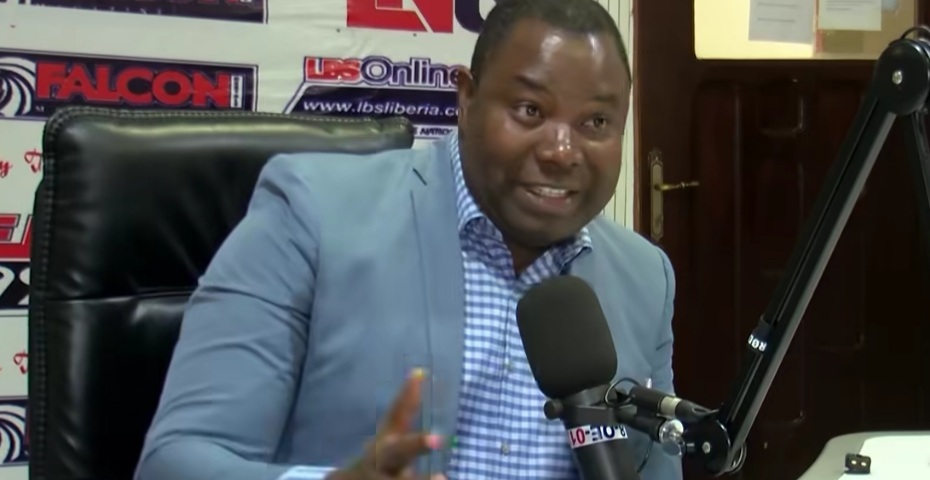
MONROVIA — The Chairman of the ruling Unity Party, Rev. Dr. J. Luther Tarpeh, has called on President Joseph Nyuma Boakai to immediately reshuffle his cabinet, arguing that a stronger and more results-driven leadership team is urgently needed to improve government performance amid growing public expectations.
Speaking Tuesday, June 23, 2026 on the state-run ELBC, Tarpeh said the Boakai administration must not become complacent with its current level of performance, warning that citizens are increasingly demanding visible improvements in public services, job creation, and economic management. He stressed that a cabinet reshuffle would allow the President to assess the effectiveness of his current ministers and replace those who are not delivering on national priorities.
According to him, governance must move beyond political loyalty and prioritize competence, accountability, and measurable results. He maintained that Liberia’s development agenda depends heavily on the President assembling a more proactive and performance-oriented team capable of translating policy commitments into tangible outcomes for citizens.
Tarpeh noted that the ruling Unity Party remains confident in its political strength, predicting that it will secure a first-round victory in the 2029 presidential election. He further suggested that the party is positioning itself for long-term political dominance in Liberia’s governance landscape.
At the same time, he urged disappointed Unity Party supporters to remain patient, explaining that government cannot accommodate every partisan demand at once. He noted that public appointments are limited and must balance political considerations with competence, experience, and national interest.
The Unity Party Chairman also disclosed that efforts are underway to strengthen political alliances with opposition figures as part of a broader strategy to consolidate governance support and expand the party’s influence ahead of future elections.
However, his remarks come at a time of increasing scrutiny over the Boakai administration’s delivery of public services, with growing calls from citizens and political observers for faster reforms and improved governance outcomes.