By Socrates Smythe Saywon | Smart News Liberia
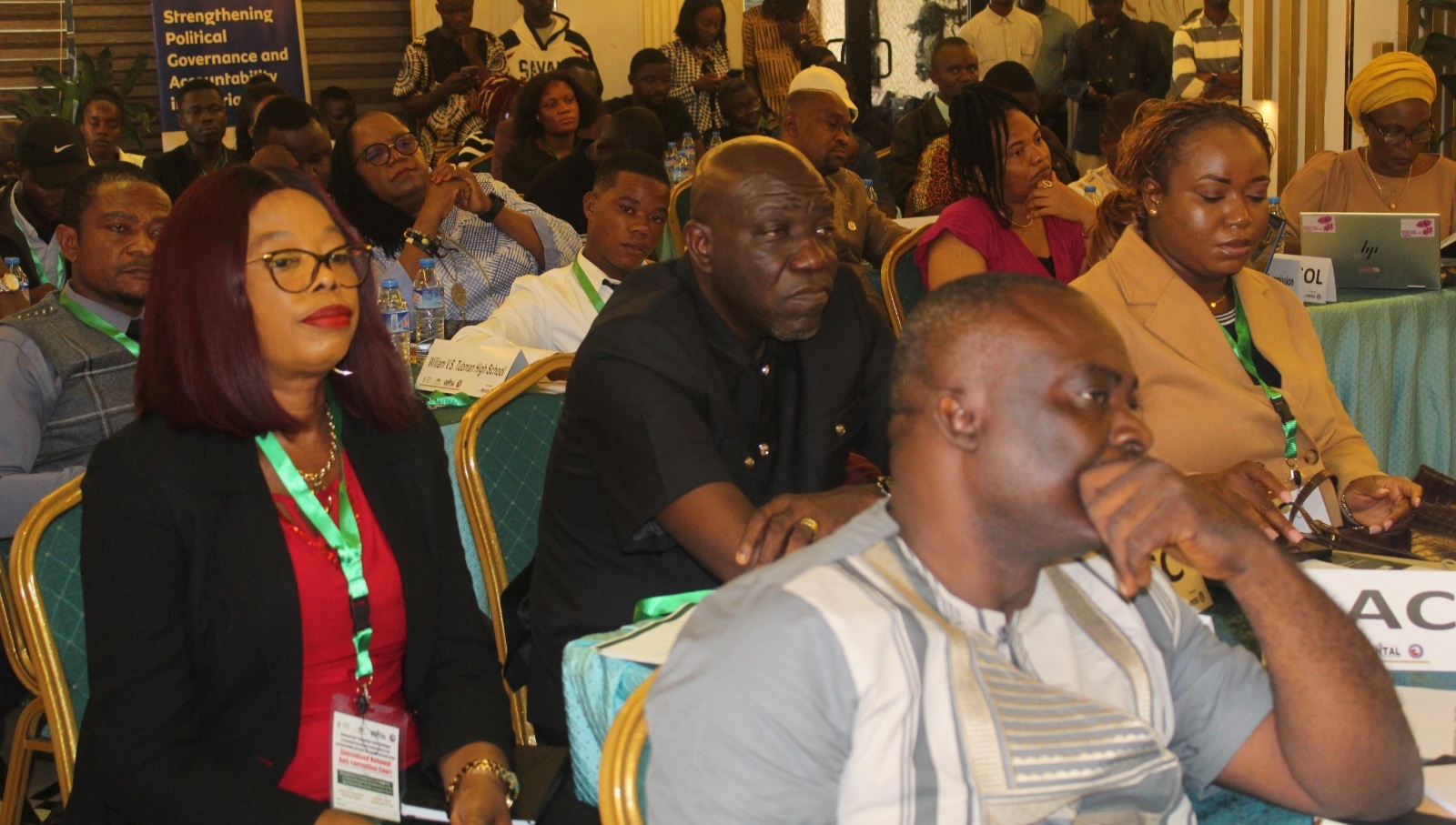
MONROVIA – The Center for Transparency and Accountability in Liberia (CENTAL), in collaboration with its partners, has intensified national advocacy for the establishment of a Specialized National Anti Corruption Court, convening a high-level National Anti-Corruption Policy Dialogue in Sinkor, Monrovia, on Tuesday, June 30, 2026. The dialogue brought together government officials, development partners, civil society organizations, legal practitioners, youth representatives, students, and members of the media to rally support for reforms aimed at strengthening accountability, expediting corruption prosecutions, and restoring public confidence in Liberia’s justice system.
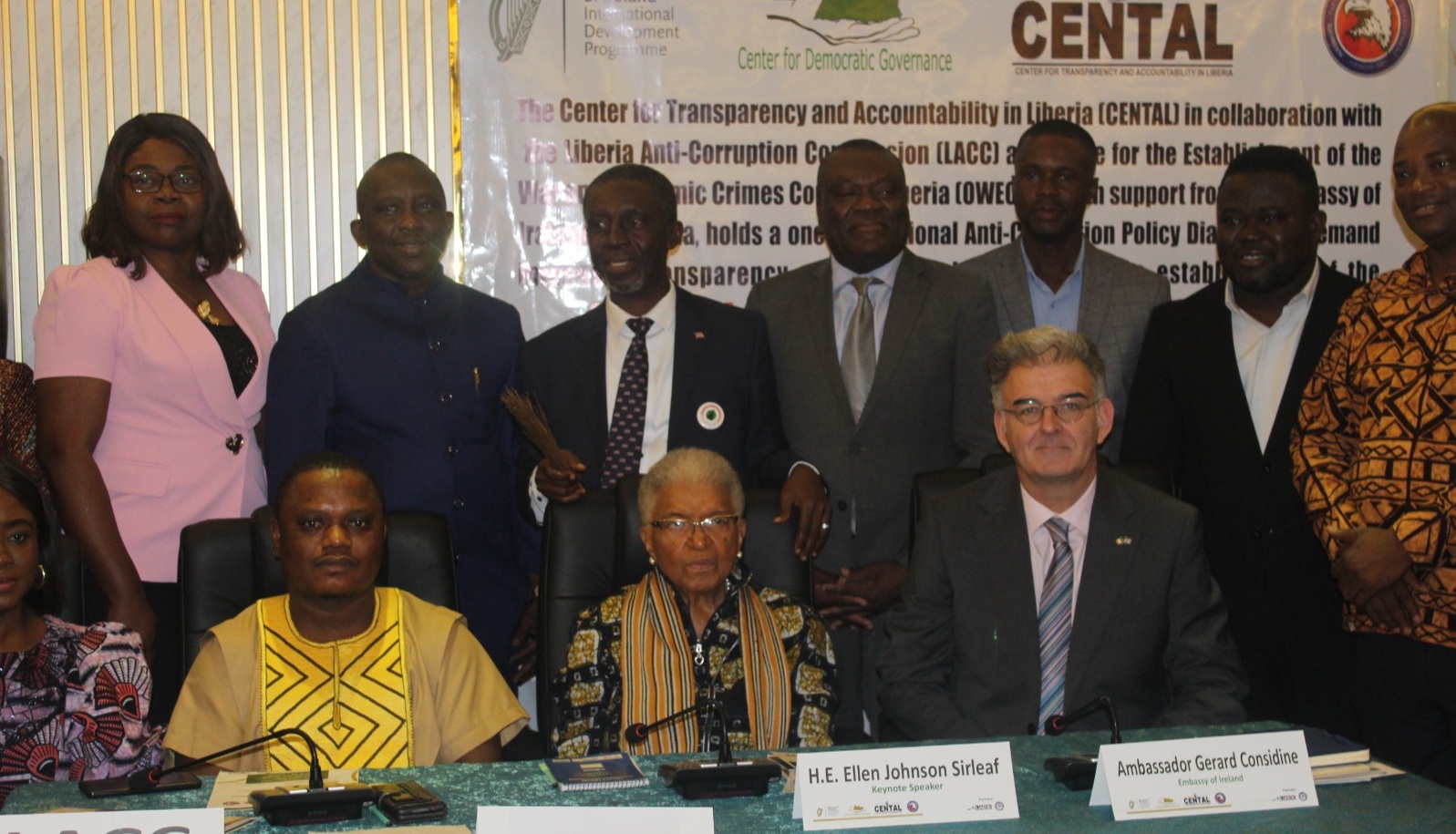
Held under the theme, “Strengthening Transparency and Accountability in Liberia through the Establishment of the Specialized National Anti Corruption Court,” the dialogue formed part of the Strengthening Political Governance and Accountability in Liberia Project, supported by the Embassy of Ireland through Irish Aid. The initiative is being implemented by the Center for Democratic Governance (CDG), NAYMOTE-Liberia, and CENTAL in partnership with the Office for the Establishment of the War and Economic Crimes Court for Liberia (OWECC-L) and the Liberia Anti-Corruption Commission (LACC).
Throughout the dialogue, speakers repeatedly stressed that corruption cases continue to experience significant delays within Liberia’s judicial system, allowing many accused officials to evade timely prosecution while undermining public confidence in state institutions. Participants argued that establishing a specialized anti-corruption court would significantly improve the country’s ability to prosecute complex corruption and economic crimes efficiently.
Providing an overview of the dialogue, CENTAL Executive Director Anderson D. Miamen welcomed President Joseph Nyuma Boakai’s decision to submit legislation seeking the establishment of the specialized court and commended members of the National Legislature for demonstrating early commitment to advancing the proposal.
Miamen described the proposed court as a critical institutional reform that would strengthen transparency, improve accountability, and ensure that corruption cases receive the urgent judicial attention they require.
Liberia Anti-Corruption Commission (LACC) Chairperson Cllr. Alexandra K. Zoe delivered one of the strongest interventions of the forum, explaining that although the Commission was granted prosecutorial powers through amendments to its enabling Act, the absence of a specialized court has continued to hamper effective prosecution.
She likened the Commission’s prosecutorial authority to “being given arms without ammunition,” noting that lengthy court proceedings have frustrated efforts to prosecute corruption cases promptly and recover stolen public assets.
According to Zoe, corruption continues to divert scarce national resources away from healthcare, education, and other essential public services while weakening public institutions, discouraging investment, and eroding citizens’ trust in government.
She maintained that while the LACC has strengthened investigations, the fight against corruption cannot succeed unless the judiciary is capable of resolving cases without unnecessary delays.
The LACC Chairperson argued that a Specialized National Anti Corruption Court would accelerate corruption trials, improve judicial efficiency, strengthen consistency in anti-corruption jurisprudence, and ensure that both accountability and due process are upheld.
She, however, cautioned that legislation alone will not defeat corruption, emphasizing that the court’s effectiveness will depend on sustained political commitment, judicial independence, adequate funding, trained judges and prosecutors, and continued collaboration among accountability institutions, civil society, and Liberia’s international partners.
Executive Director of the Office for the Establishment of the War and Economic Crimes Court for Liberia (OWECC-L), Dr. Cllr. Jallah A. Barbu, described the proposed court as a crucial pillar of Liberia’s broader accountability agenda.
Barbu said corruption and impunity are not permanent features of Liberian society and can be defeated through determined national leadership and collective action. He praised both the National Legislature and President Joseph Boakai for advancing accountability reforms through legislative initiatives and executive actions.
Expressing confidence that the specialized court would eventually become operational, Barbu acknowledged that the proposal may unsettle individuals benefiting from corruption but insisted that meaningful reforms inevitably challenge entrenched interests.
Representing the United Nations Office of the High Commissioner for Human Rights (OHCHR), Christian Mukosa praised the close collaboration between government institutions and civil society organizations, describing the partnership as a positive demonstration of Liberia’s growing commitment to combating corruption.
Mukosa emphasized that corruption extends beyond financial misconduct, describing it as a major human rights issue that fuels poverty, inequality, and the denial of essential public services.
He reaffirmed the United Nations’ commitment to supporting Liberia through technical expertise, legal assistance, and institutional capacity building as the country advances both anti-corruption and transitional justice reforms.
Ireland’s Ambassador to Liberia, Gerald Considine, delivered one of the dialogue’s strongest assessments of Liberia’s anti-corruption record, citing CENTAL’s Corruption Case Tracker, which has documented 126 corruption allegations, with only three cases reaching trial.
He warned that the figures expose serious weaknesses within Liberia’s accountability system and underscore the urgent need for judicial reforms.
According to Ambassador Considine, corruption directly affects ordinary Liberians by diverting resources from hospitals, schools, and other vital public services.
He said establishing a Specialized National Anti Corruption Court would send a clear message that impunity will no longer be tolerated while strengthening public confidence in Liberia’s democratic institutions.
The Irish diplomat also reaffirmed his country’s continued support for governance reforms through partnerships with Liberian civil society organizations, stressing that strong accountability institutions remain fundamental to sustainable national development.
Other speakers, including Cllr. Asatu Bah Kenneth, Director of the National Anti Corruption Court Division, renowned human rights lawyer Cllr. Tiawan Saye Gongloe, Witness Protection Agency Director Atty. Maxwell Grisby, and National Civil Society Council Chairperson Lawrence Yealue, also endorsed the establishment of the specialized court, urging lawmakers to move swiftly in passing the necessary legislation.
While participants welcomed the Boakai administration’s submission of the draft legislation, the dialogue also highlighted Liberia’s continuing struggle to secure timely accountability for corruption. Years of delayed prosecutions, unresolved high-profile corruption cases, and limited convictions have continued to fuel public skepticism about the country’s willingness to hold powerful individuals accountable.
For many participants, the proposed Specialized National Anti Corruption Court now represents far more than another legal reform. It is increasingly viewed as a decisive test of Liberia’s political will to confront corruption, strengthen the rule of law, recover stolen public resources, and restore public confidence that justice will be applied fairly and without regard to political influence or social status.