By Our Reporter | Smart News Liberia
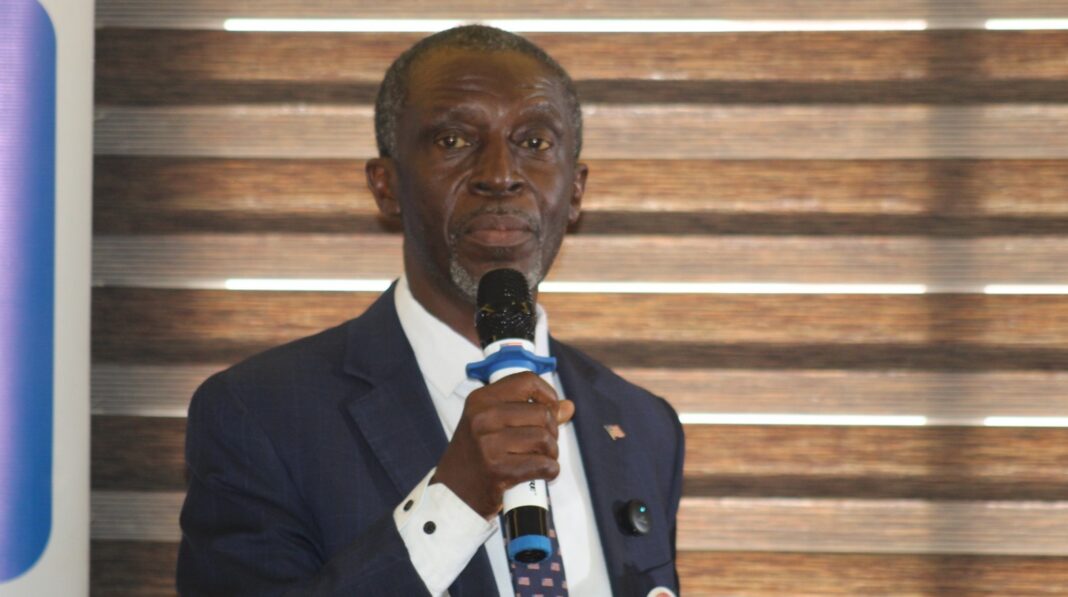
MONROVIA, LIBERIA — Growing controversy has emerged following the suspension of the Chairperson of Liberia’s Independent National Commission on Human Rights (INCHR), Cllr. T. Dempster Brown, with civil society organizations warning that the decision could weaken confidence in the independence of the country’s human rights system.
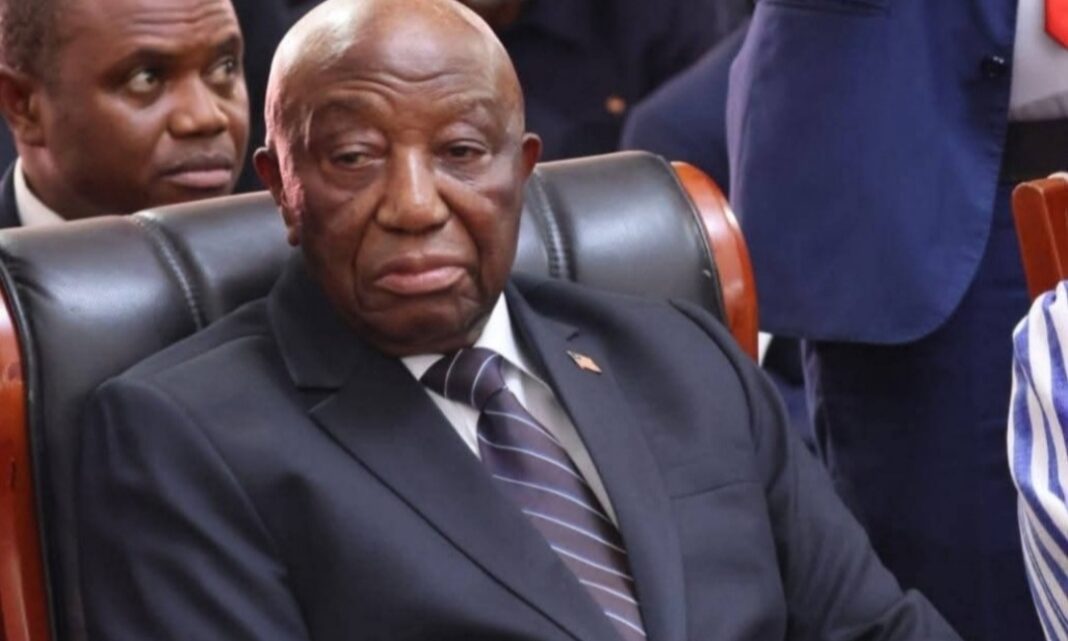
At the center of the debate is President Joseph Nyuma Boakai’s directive placing Brown on indefinite suspension without pay, pending investigations into allegations raised internally within the Commission. The move has triggered debate over both the substance of the accusations and the procedure used to address them.
Government sources indicate that the allegations include claims that Brown improperly used commissioners’ signatures in a petition filed before the Supreme Court and is also accused of administrative shortcomings, including failure to convene statutory meetings and disputes over staff compensation management. The Ministry of Justice has been tasked with leading the investigation into the matter.
While authorities argue the action is intended to uphold accountability, civil society groups say the handling of the case risks creating the perception of executive influence over an institution that is expected to operate independently of political control.
The Human Rights Community and Civil Society Platform of Liberia says it does not oppose investigations into the allegations but insists that the credibility of the process is now equally at stake.
“We are not against accountability, but the process must be beyond reproach if public trust is to be maintained,” the platform noted, stressing that institutions responsible for protecting human rights must themselves be protected from political interference.
Questions have also emerged over leadership arrangements within the INCHR during the suspension period. Civil society actors argue that the decision to install an acting head outside the expected institutional hierarchy has raised procedural concerns.
They contend that standard practice would normally allow the Co-Chairperson to assume temporary leadership, and deviations from that structure risk fueling perceptions of selective administrative intervention.
Beyond internal governance concerns, civil society groups are calling for the investigative process itself to be broadened. They are urging the inclusion of independent actors to ensure transparency and reduce suspicions of bias in the outcome.
According to the platform, public confidence in accountability systems depends not only on findings but also on the credibility of the process used to reach them.
The controversy is unfolding against the backdrop of heightened national attention on accountability and justice reforms, particularly as Liberia moves toward renewed discussions on establishing a War and Economic Crimes Court.
Civil society actors warn that instability or perceived interference within the INCHR could have implications beyond the current dispute, potentially affecting Liberia’s transitional justice agenda and international credibility.
They argue that safeguarding institutional independence is essential at a time when the country is seeking to strengthen its human rights and governance framework.
The platform also referenced earlier judicial interpretations related to internal disputes within the Commission, suggesting that past Supreme Court involvement in similar issues underscores the need for careful procedural consistency in handling the current matter.
Midway through the growing debate, government authorities have maintained that the suspension remains a necessary step to ensure order and accountability within the institution, insisting that no individual should be exempt from investigation when serious allegations arise.
Civil society, however, continues to insist that accountability mechanisms must be carefully balanced with institutional protection, warning that the manner in which the case is handled could shape public trust in oversight bodies.
As the investigation proceeds under the Ministry of Justice, the Human Rights Community and Civil Society Platform has reiterated its call for strict adherence to legal safeguards, transparency, and institutional independence in resolving the matter.
The statement was signed by Adama Kiatamba Dempster, National Secretary General of the Human Rights Community and Civil Society Platform and Global Human Rights Ambassador.