By Our Reporter | Smart News Liberia
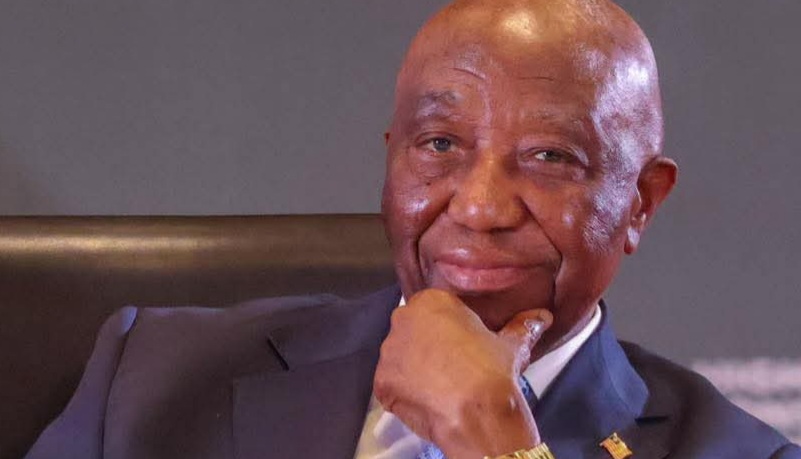
MONROVIA – President Joseph N. Boakai is expected to convene a high level Joint Security Meeting Monday, August 10, as Liberia intensifies investigations into two major cocaine seizures and faces fresh concerns over reported security developments along the country’s border with Guinea.
Security sources say the meeting, originally scheduled for Tuesday, was moved forward to Monday and will focus heavily on the investigations surrounding the US$19.2 million cocaine seizure at Roberts International Airport (RIA) and the subsequent US$317 million cocaine seizure in Duazon, Margibi County.
The meeting is not expected to be the National Security Council session typically chaired by the President, but is instead expected to bring together key security actors to assess the investigations and other emerging threats confronting the country.
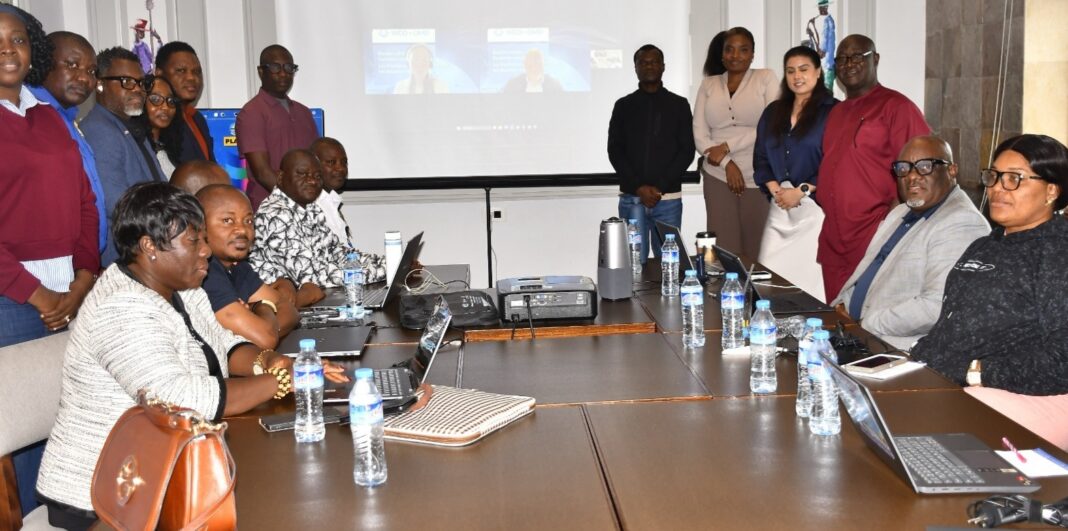
The development comes as U.S. Embassy Chargé d’Affaires Joe Zadrozny met with Liberia National Police Inspector General Gregory O.W. Coleman and Executive Protection Service Director Sam Gaye, reaffirming Washington’s support for Liberia’s efforts to strengthen its security and legal institutions.
Zadrozny emphasized that the United States stands firmly with its Liberian partners as the country works to strengthen security, the rule of law and accountability.
He also stressed that a just and accountable legal system is important not only to Liberia but to regional stability and the longstanding relationship between Liberia and the United States.
The U.S. Embassy further reaffirmed Washington’s continued partnership with the Liberian Government and people and expressed its intention to broaden cooperation on initiatives aimed at improving security and prosperity in both countries.
The timing of the meeting is significant as Liberia’s security institutions face mounting pressure to demonstrate that the country’s recent cocaine seizures will lead to the dismantling of the networks responsible for importing, transporting and financing the illicit drugs.
The June 8 RIA seizure involved approximately 237.6 kilograms of cocaine with an estimated street value exceeding US$19 million. President Boakai subsequently directed the National Joint Security to investigate the shipment and pursue not only those directly connected to it but also the broader criminal enterprise behind the operation.
The July seizure was substantially larger, involving nearly four tonnes of suspected cocaine valued at approximately US$317 million.
Together, the seizures have intensified scrutiny of Liberia’s security architecture and raised questions about how international drug networks have been able to move massive quantities of narcotics through the country.
The President’s expected security meeting therefore comes at a critical moment for the administration, with investigators under pressure to establish the full chain of responsibility behind both cases.
Beyond the cocaine investigations, security officials are also expected to discuss reports that Guinean authorities intend to establish customs operations at the Sorlumba border in Lofa County, which Liberian sources describe as a potential encroachment into Liberian territory.
The reported development could introduce another sensitive dimension to Monday’s security discussions, particularly given the importance of border security and Liberia’s relations with neighboring Guinea.
The government will therefore be expected to determine the facts surrounding the reported Guinean move, assess its implications for Liberia’s territorial authority and decide what diplomatic or security response may be necessary.
Meanwhile, the engagement between the U.S. Embassy and Liberia’s senior security officials signals the growing importance of international cooperation as Liberia confronts increasingly sophisticated security and narcotics challenges.
The United States has repeatedly emphasized the importance of strong institutions, accountability and the rule of law in addressing threats that extend beyond national borders.
For Liberia, the challenge is now to convert international support and major drug seizures into credible investigations, prosecutions and institutional reforms.
The Boakai administration has already declared that Liberia will not serve as a safe haven, transit point, warehouse, financial center or operational base for narcotics trafficking networks.
The President’s expected meeting will therefore face a critical question: whether Liberia’s security institutions can move beyond intercepting drugs and identify, prosecute and dismantle the networks allegedly financing and facilitating the trade.
With U.S. support being reaffirmed and major security investigations underway, the government is under growing pressure to ensure that the cases produce more than seizures and headlines.
The outcome of the security discussions could provide an indication of how aggressively the administration intends to respond to the country’s escalating narcotics threat, protect its borders and strengthen confidence in Liberia’s security and justice institutions.