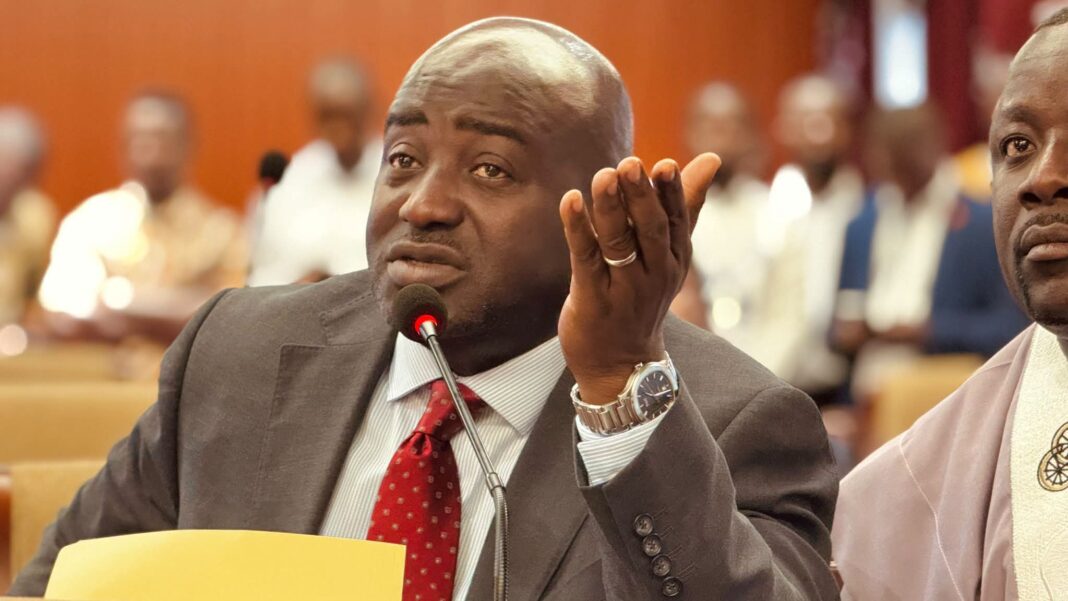

Yeakulah maintains Jackson still has questions to answer over wife Toni’s death but insists humanitarian considerations must prevail.
MONROVIA – Liberian lawyer and opposition Alternative National Congress (ANC) member Moriah Yeakulah has called on the Ministry of Justice to ensure that Samuel Jackson receives necessary medical treatment, warning that Liberia must not allow him to die while questions surrounding his wife’s death remain unresolved.
Yeakulah said she still believes Jackson has questions to answer regarding the death of his wife, Toni Jackson, and would be willing to join the state in prosecuting him if given the opportunity.
However, she stressed that justice cannot be achieved through another death.
“We can’t prosecute a dead man, and one death does not justify another,” Yeakulah stated.
She argued that Jackson must remain alive to face the law, urging the government to act on his reported need for medical treatment, including facilitating travel abroad if the required treatment is unavailable in Liberia.
Yeakulah acknowledged concerns that Jackson could escape justice if allowed to travel abroad, particularly given the challenges associated with extradition. However, she believes such risks can be addressed through appropriate legal and security arrangements rather than allowing his health to deteriorate.
She called on the Ministry of Justice to establish the nature and seriousness of Jackson’s illness and determine whether the necessary medical services are available locally.
“If he can be treated here and refuses, then that’s different. But if we don’t offer his treatment here and he needs to travel, then he should,” she added.
In an emotional appeal, the ANC lawyer acknowledged that some might view Jackson’s current circumstances as karma, given the controversy surrounding his wife’s death.
Nevertheless, she said her conscience would not permit her to remain silent while another human being potentially dies without receiving necessary medical attention.
“Anything short would be complicity in his death,” Yeakulah warned.
Her statement raises a broader question about the balance between accountability and humanitarian responsibility: Can Liberia pursue justice while ensuring that a person facing serious questions from the justice system is not denied the opportunity to live and answer those questions?