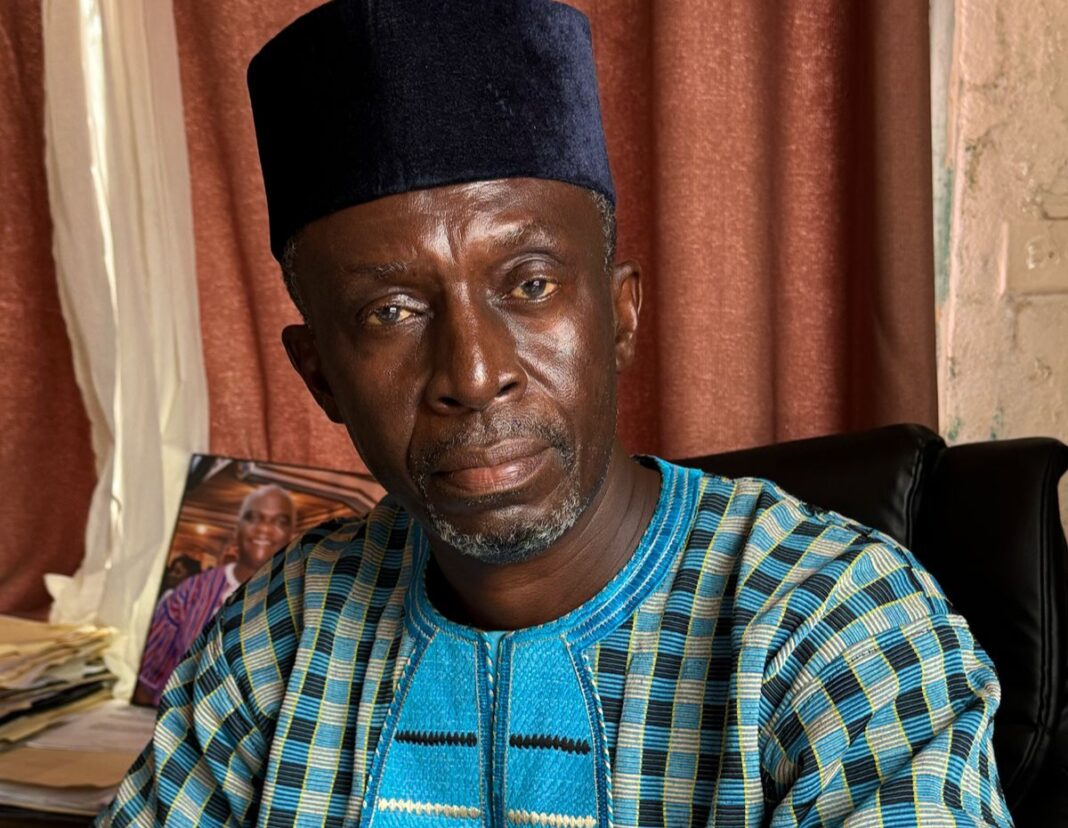
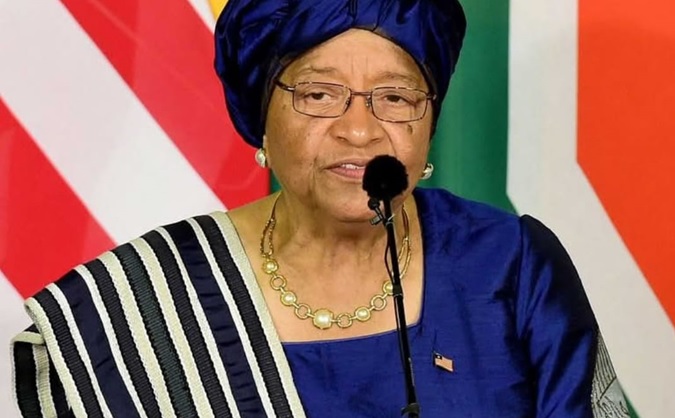
MONROVIA — Former President Ellen Johnson Sirleaf has reportedly advised the government of President Joseph Nyuma Boakai to seek independent international expertise to examine the proposed US$5.7 billion Master Infrastructure Development Agreement (MIDA) with Bea Mountain Mining Corporation before proceeding with the controversial arrangement.
Sirleaf’s reported advice comes amid growing public debate over the agreement, which is intended to finance major electricity and road infrastructure projects across Liberia.
The former Liberian leader also reportedly cautioned the government about the involvement of Walter Seward McCarthy, a former Deputy Minister who served during her administration, although the precise details and context of her comments require confirmation from the original broadcast.
Her intervention introduces another important dimension to the national debate over the agreement, particularly the need for independent technical, financial and legal scrutiny of a transaction involving Liberia’s mineral resources and future revenues.
The proposed MIDA includes four power plants expected to generate an additional 270 megawatts of electricity, major transmission lines, reservoirs, a 146-kilometer development road and approximately US$1 billion for additional road infrastructure.
According to the government, the arrangement would be financed through additional mining-related revenues, while Bea Mountain would continue making its regular contributions to the government’s Consolidated Account.
The administration has presented the proposal as a major development initiative intended to address Liberia’s longstanding electricity shortages, poor road connectivity and infrastructure deficits.
However, the scale and financing structure of the agreement have raised questions among politicians, civil society organizations and other public commentators.
Sirleaf’s reported recommendation for international experts to examine the agreement raises several important questions: Are the projected investment figures independently verified? Does the proposed financing arrangement adequately protect Liberia’s future mining revenues? What financial obligations and risks could the country assume? And are the proposed infrastructure commitments enforceable?
An independent review could examine the agreement’s economic feasibility, revenue calculations, legal provisions, environmental implications, implementation timelines and long-term benefits to affected communities.
The government and Legislature will also face the responsibility of ensuring that the proposed infrastructure benefits the wider population rather than primarily serving commercial interests.
The proposed agreement is expected to proceed through the legislative process following its formal signing.
As the debate continues, the central question remains whether Liberia has secured terms that guarantee lasting public benefits from its mineral resources.
For now, Sirleaf’s reported intervention adds to calls for transparency, independent scrutiny and stronger safeguards before the country commits to an arrangement of such magnitude.
Smart News Liberia will continue to seek the full details of the former president’s remarks and responses from the government, Bea Mountain and Walter Seward McCarthy.