By Socrates Smythe Saywon | Smart News Liberia
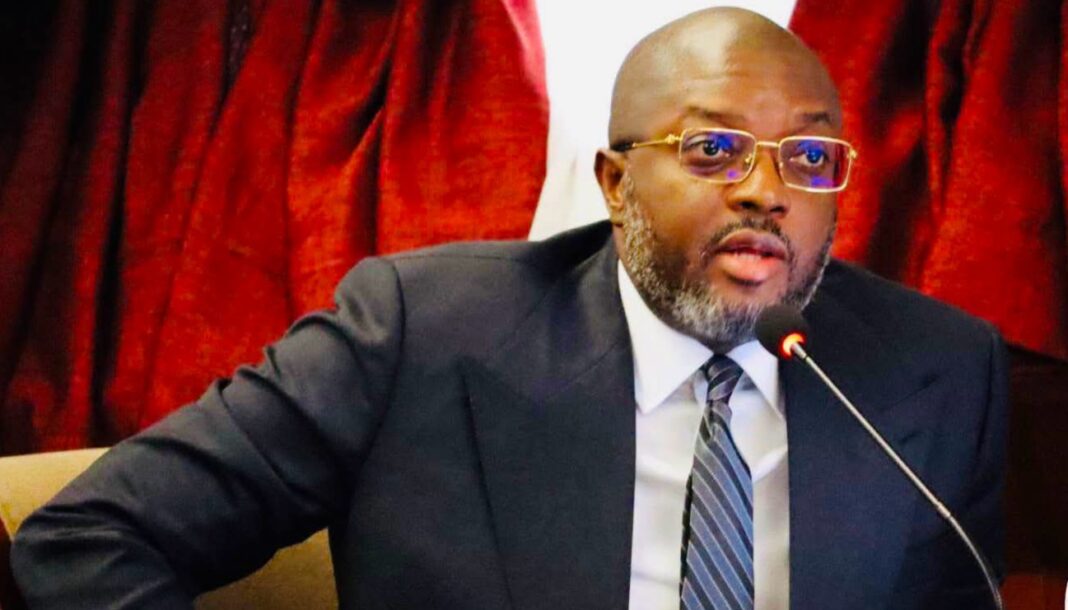
MONROVIA – Gbarpolu County Senator Amara Konneh has launched a constitutional challenge against the House of Representatives’ decision to expand Liberia’s electoral map from 73 to 89 electoral districts, describing the move as a dangerous overreach of legislative authority and pledging to oppose the measure when it reaches the Senate.
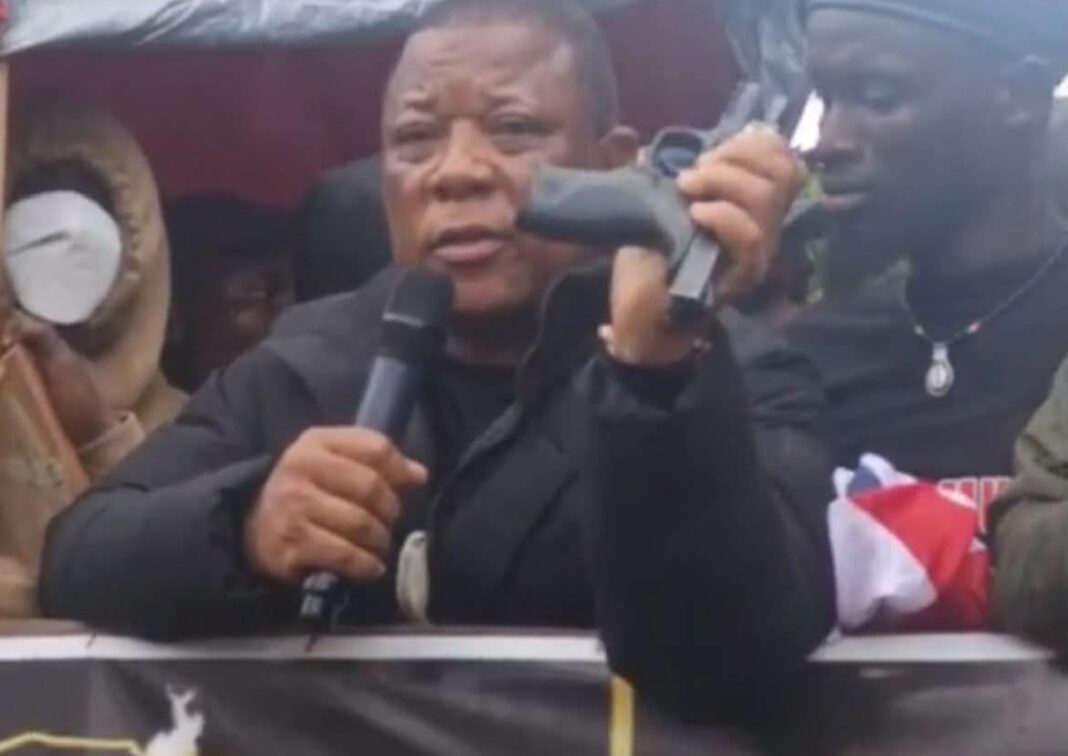
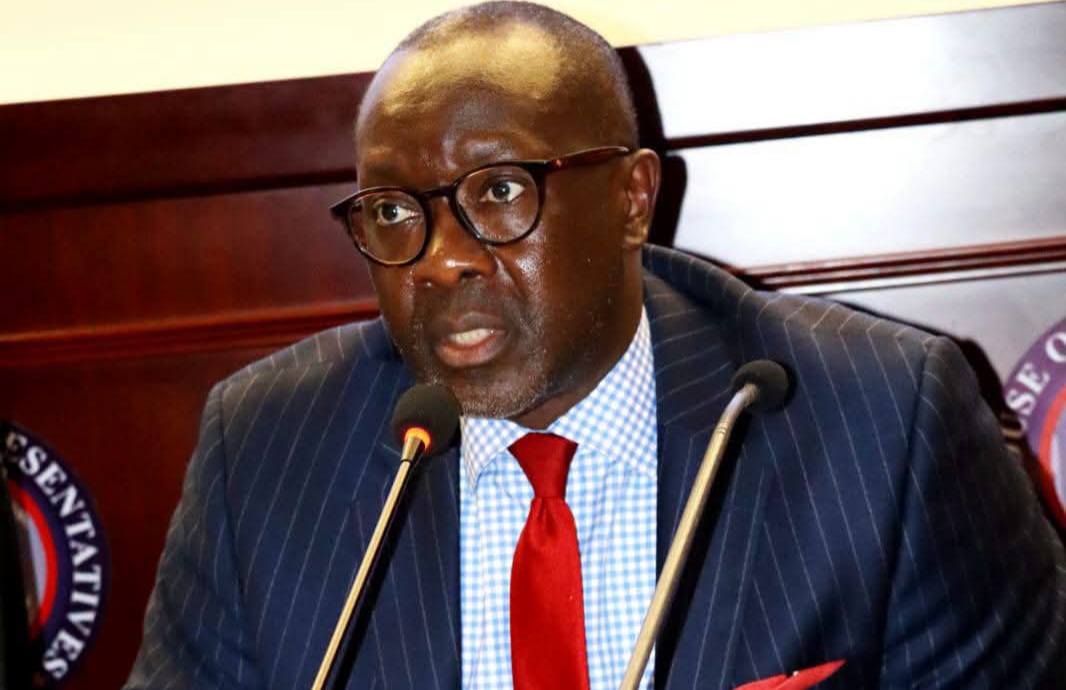
The House of Representatives, under the leadership of Speaker Richard Nagbe Koon, on Tuesday approved a resolution supported by 50 lawmakers seeking to increase the country’s electoral districts based on the 2022 National Population and Housing Census. The measure has since been transmitted to the Senate for consideration.
If endorsed by the Senate, Montserrado County would gain three additional districts, increasing from 17 to 20, while Nimba County would expand from nine to eleven districts. Bong and Lofa counties would each receive two additional constituencies, while Grand Bassa, Margibi, Bomi, Grand Cape Mount, Grand Gedeh, Maryland, and Sinoe would each gain one new electoral district.
However, Konneh argues that the House exceeded its constitutional authority by assigning new districts to specific counties, a responsibility he says belongs exclusively to the National Elections Commission (NEC).
In a statement issued on Thursday, July 16, 2026, the senator said Articles 80(d) and 80(e) of the Liberian Constitution clearly define the respective responsibilities of the Legislature and the NEC following the conduct of a national census.
According to Konneh, the Legislature’s constitutional role is limited to establishing the national population threshold for electoral representation. Once that threshold has been set, he said, it becomes the exclusive constitutional responsibility of the NEC to reapportion electoral districts in a manner that ensures constituencies have, as nearly as possible, equal populations.
“The Liberian Constitution is clear,” Konneh declared.
“The Constitution doesn’t allow the Legislature to decide which counties receive additional districts or to create and assign them through legislation; this is solely the NEC’s responsibility. Any effort by the House to bypass the NEC and unilaterally create districts is a constitutional overreach, undermining the electoral body’s independence and risking political interference in a process meant for an independent institution.”
Konneh emphasized that his opposition should not be interpreted as resistance to creating additional electoral districts where population growth justifies increased representation. Rather, he argued that the constitutional process established for that purpose must be respected.
“This is not about opposing the creation of additional electoral districts. Where population growth justifies greater representation, the Constitution provides a clear and lawful mechanism to achieve it. The issue is whether we are prepared to respect the constitutional process and the rule of law,” he stated.
The senator also made clear that he intends to challenge the House’s proposal should it come before the Senate, saying he will work with colleagues to ensure that any legislative action remains consistent with the Constitution.
“Should this resolution reach the Liberian Senate, I will work with my colleagues to ensure that any legislative action fully conforms to the Constitution. We must reject any framework that usurps the NEC’s constitutional mandate and instead allow it to perform its duties independently, fairly, and in accordance with the supreme law of the Republic,” Konneh said.
His comments add to growing criticism surrounding the House’s decision. Legislative sources familiar with the constitutional provisions told Smart News Liberia that the Legislature has no authority to determine and assign legislative seats to individual counties. Instead, they argued, Article 80(d) authorizes lawmakers only to establish the national population threshold after the completion of a census, while Article 80(e) grants the NEC the exclusive responsibility to apportion electoral districts based on that threshold.
Political commentators on social media, especially Facebook, have criticized the House’s decision and questioned the timing of the proposal, arguing that expanding the House of Representatives is not a national priority at a time when Liberia faces persistent economic hardship and increasing demands for investment in schools, healthcare, roads, and other essential public services.
Adding to the debate, Liberia’s Permanent Representative to the International Maritime Organization (IMO), Robert Wilmot Kpadeh, warned that increasing the number of representatives would impose additional financial obligations on the government.
“Do we need money to grease the pockets of politicians or money for schools, roads, hospitals etc.?” Kpadeh asked, reflecting broader public concerns about government spending priorities.
As the proposal advances to the Senate, it is shaping up to become one of Liberia’s most significant constitutional debates ahead of the next general elections. Beyond the question of expanding electoral representation, the dispute has evolved into a broader test of whether the Legislature can exercise powers reserved exclusively for the National Elections Commission under the Constitution.
For Konneh, the constitutional issue is straightforward.
“The Constitution is not a suggestion. It is the supreme law of the land, and every branch of government must operate within the limits it prescribes.”
His warning sets the stage for what is expected to be an intense Senate debate over the limits of legislative authority, the independence of the NEC, and the rule of law in Liberia’s democratic governance.