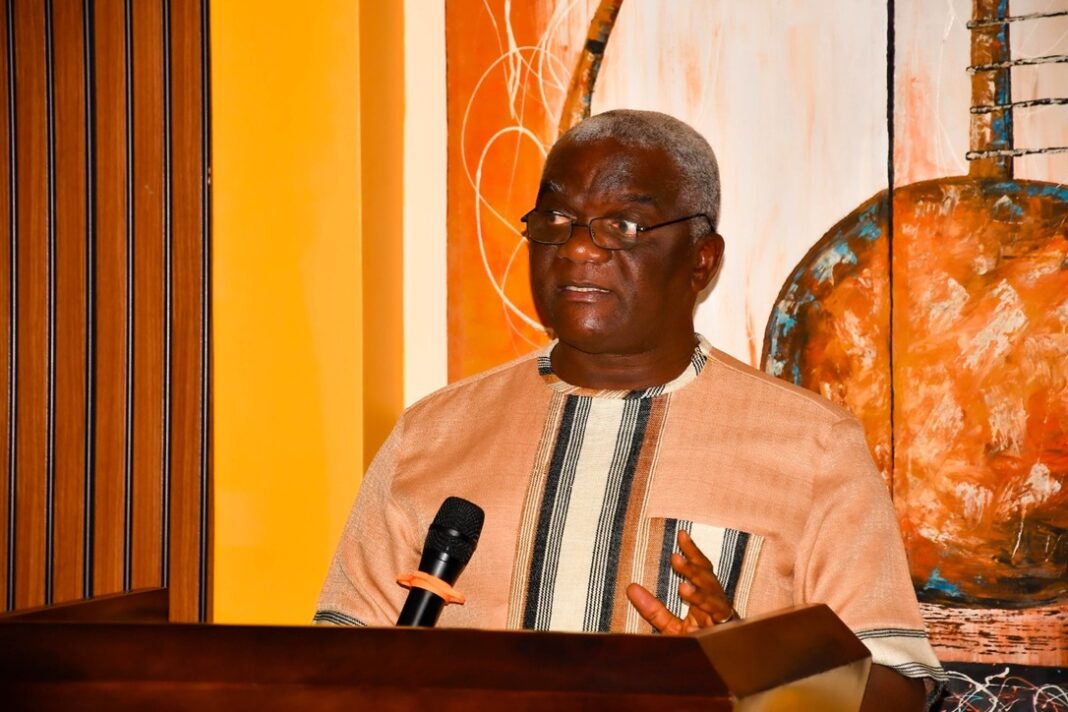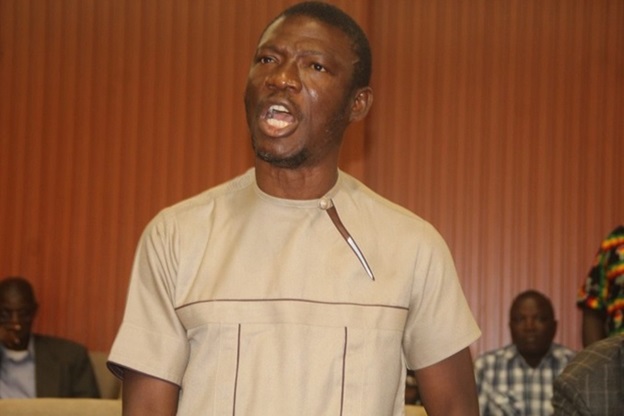
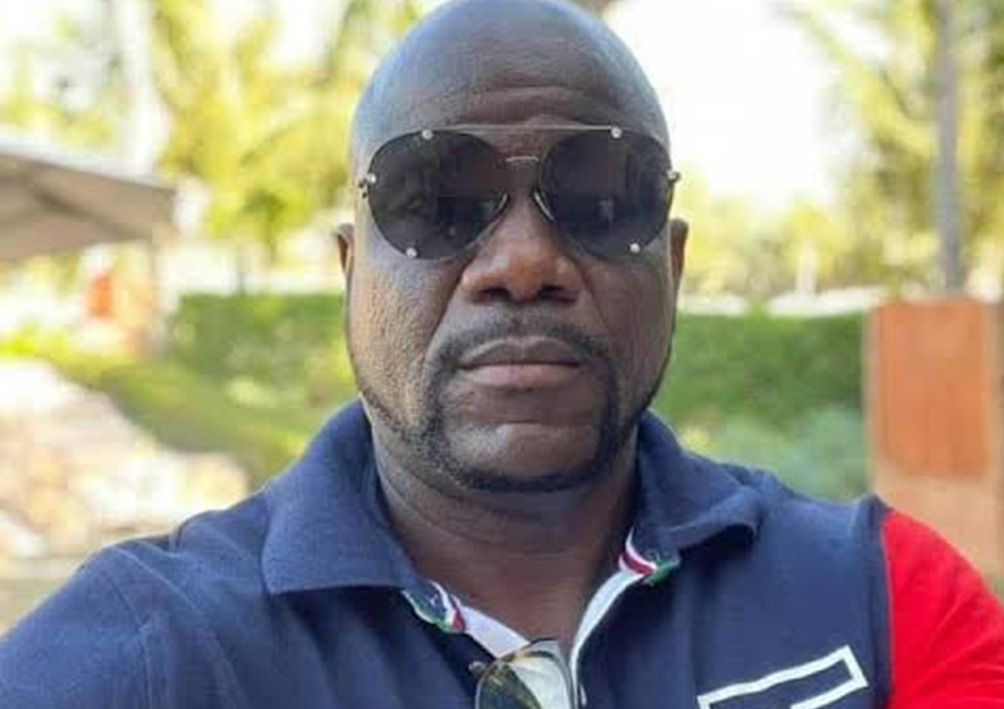
As a key figure in the US$317 million cocaine case reportedly appears in a social media video in Mexico, questions mount over Liberia’s efforts to enforce an arrest warrant and secure his return to face trial.
MONROVIA, LIBERIA — New questions are emerging over the Liberian government’s pursuit of Sheik Bashiru Kante, a central figure in the ongoing investigation into the alleged US$317 million cocaine-trafficking network, following reports that a video circulating on social media today shows him arriving in Mexico.
If the video is authentic and the individual shown is Kante, his reported presence in Mexico raises an important question for the Boakai administration: What concrete steps are being taken to locate him, secure his arrest and bring him before Liberia’s courts?
Kante has emerged as a significant figure in the prosecution’s case against former Vice President Jewel Howard-Taylor and other individuals accused of involvement in the alleged international cocaine-trafficking operation.
However, the video alone does not establish Kante’s exact location, his legal status in Mexico or whether Mexican authorities have been notified of the Liberian proceedings. Those details require confirmation from the relevant authorities.
A KEY FIGURE IN THE PROSECUTION’S CASE
Kante’s reported movements have become a matter of considerable public interest because of the allegations surrounding his role in the suspected trafficking network.
During preliminary examination proceedings, Acting Crime Services Commissioner Raphael A. Wilson reportedly testified that Kante voluntarily surrendered his cellphone and that forensic analysis identified WhatsApp messages and audio recordings prosecutors say link him to communications involving Howard-Taylor.
According to the indictment reported by The Liberian Investigator on October 7, prosecutors allege that Kante acted as an intermediary between Howard-Taylor and Nikola Ivancic, whom the prosecution identifies as an alleged leader of the network.
The indictment also contains allegations concerning financial transactions and communications among individuals named in the case. These claims remain allegations that the prosecution must prove in court.
Kante’s legal status is therefore important not only to the question of his own accountability but also to the prosecution’s effort to establish the alleged relationships, communications and financial arrangements at the heart of the case.
The allegations against him must nevertheless be tested through the judicial process, and he is presumed innocent unless proven guilty.
ARREST WARRANT REPORTEDLY ISSUED
On October 8, reports published by the Liberian Observer and republished by AllAfrica stated that Criminal Court “C,” presided over by Judge Ousman F. Feika, had issued writs of arrest in connection with a True Bill of Indictment naming 20 individuals, including Kante and Howard-Taylor.
The case concerns the alleged trafficking of approximately four metric tons of cocaine, estimated by authorities at about US$317 million.
According to the report, enforcement of the arrest warrants was assigned to the Liberia National Police and the Liberia Drug Enforcement Agency. Some defendants were reported to be in custody, while others remained at large.
The issuance of a warrant is a formal judicial step, but it does not by itself establish that the person named has been arrested or that authorities have located him.
If Kante is now outside Liberia, the public deserves an official explanation of the warrant’s status and what steps, if any, have been taken to execute it across international borders.
WHAT CAN THE BOAKAI GOVERNMENT DO IF KANTE IS IN MEXICO?
Liberia cannot simply send officers to another country and assume they have authority to arrest someone there. Any effort to apprehend Kante in Mexico would need to proceed through the applicable Mexican and international legal processes.
There are several possible avenues for cooperation.
First, Liberia can formally engage Mexican authorities. If investigators have credible information establishing that Kante is in Mexico, the Ministry of Justice and relevant law-enforcement agencies can seek assistance from Mexican counterparts through established legal and diplomatic channels.
Second, authorities can work through international police cooperation mechanisms. Liberia is a member of INTERPOL, whose national central bureaux facilitate the exchange of criminal information and cooperation between member countries. Whether an INTERPOL notice or diffusion has been requested or issued in Kante’s case has not been established by the information currently available. An INTERPOL notice would not, by itself, constitute an international arrest warrant; any arrest would remain subject to the applicable law and procedures of the country concerned.
Third, the government can explore extradition or another lawful process for surrender. Liberia’s Criminal Procedure Law addresses extradition arrangements and the conditions under which a person may be surrendered under an applicable agreement. Whether a specific treaty or other legal arrangement permits Kante’s extradition from Mexico would need to be confirmed by the competent authorities.
These are potential legal avenues, not confirmation that the Liberian government has initiated any of them in Kante’s case.
WHERE IS THE GOVERNMENT’S INTERNATIONAL PURSUIT?
In an official statement issued on August 19, the Ministry of Justice said the government would pursue lawful domestic and international measures to locate, apprehend and bring defendants in the alleged transnational narcotics network before Liberian courts.
The statement also declared that the government intended to pursue those involved in the alleged operation across national borders and institutional lines.
That commitment now faces a practical test if the circulating video does indeed show Kante in Mexico.
Has the Ministry of Justice formally requested assistance from Mexican authorities? Has the Liberia Drug Enforcement Agency coordinated with international partners to establish his location? Has the government sought an INTERPOL notice or other appropriate international alert? Has an extradition request been prepared or submitted?
As of this report, no independently verified public information has established that these specific steps have been taken in Kante’s case. That does not prove that authorities have done nothing; it means the public needs a clear and verifiable update.
WILL KANTE APPEAR BEFORE THE COURT?
Kante’s reported whereabouts also raise questions about how the prosecution intends to proceed if one of the individuals central to the alleged communications and financial arrangements remains outside Liberia.
The government should clarify whether investigators have maintained contact with Kante, whether he has cooperated under any formally recognized arrangement, and whether any such arrangement affects the execution of the arrest warrant or his obligation to answer the charges.
There is currently insufficient verified public information to conclude that Kante has been granted immunity, protected by the government or deliberately allowed to leave Liberia. Such conclusions would require evidence.
But these are legitimate questions for public accountability, particularly because prosecutors reportedly rely on evidence obtained from his cellphone and communications attributed to individuals in the alleged network.
The prosecution must establish the authenticity, context and legal admissibility of that evidence, while the defense must have the opportunity to challenge it through the courts.
The alleged cocaine operation has drawn national attention because of the quantity of drugs involved, the number of people named in the proceedings and allegations that the network had connections extending beyond Liberia.
The government has repeatedly promised to pursue all individuals against whom credible evidence exists, regardless of political position or nationality.
If Kante is confirmed to be in Mexico and remains subject to an active Liberian arrest warrant, the next question is whether that commitment will translate into documented cross-border action.
The public needs more than assurances. It needs an account of what investigators have established, which lawful international mechanisms have been activated, and what obstacles—if any—are delaying his return.
For now, the central issue is straightforward: Has the Liberian government confirmed Kante’s location and formally begun the legal process necessary to secure his arrest and return, or are those steps still pending?
The Ministry of Justice, the Liberia Drug Enforcement Agency and the Liberia National Police should clarify his current legal status and the measures being pursued, without disclosing operational details that could compromise an active investigation.
Until the video is independently verified and the authorities provide an official account, Kante’s reported arrival in Mexico should be treated as an allegation requiring confirmation—not proof that he has escaped arrest or that the government has failed to act.