
Guardian Investigation Raises Questions About Travel Documents, Border Security and Alleged Police Conduct
MONROVIA, LIBERIA — Serious questions have emerged about the travel documents allegedly used by Dutch fugitive Jos Leijdekkers to move across West Africa, following an investigative report by the British newspaper The Guardian that linked the alleged cocaine kingpin’s network to Liberia.
The October 14, 2026, report, titled “How Europe’s most wanted cocaine trafficker turned Sierra Leone into the world’s first true narco state,” describes how Leijdekkers allegedly expanded his criminal network across West Africa, including Liberia, Guinea-Bissau and Ghana.
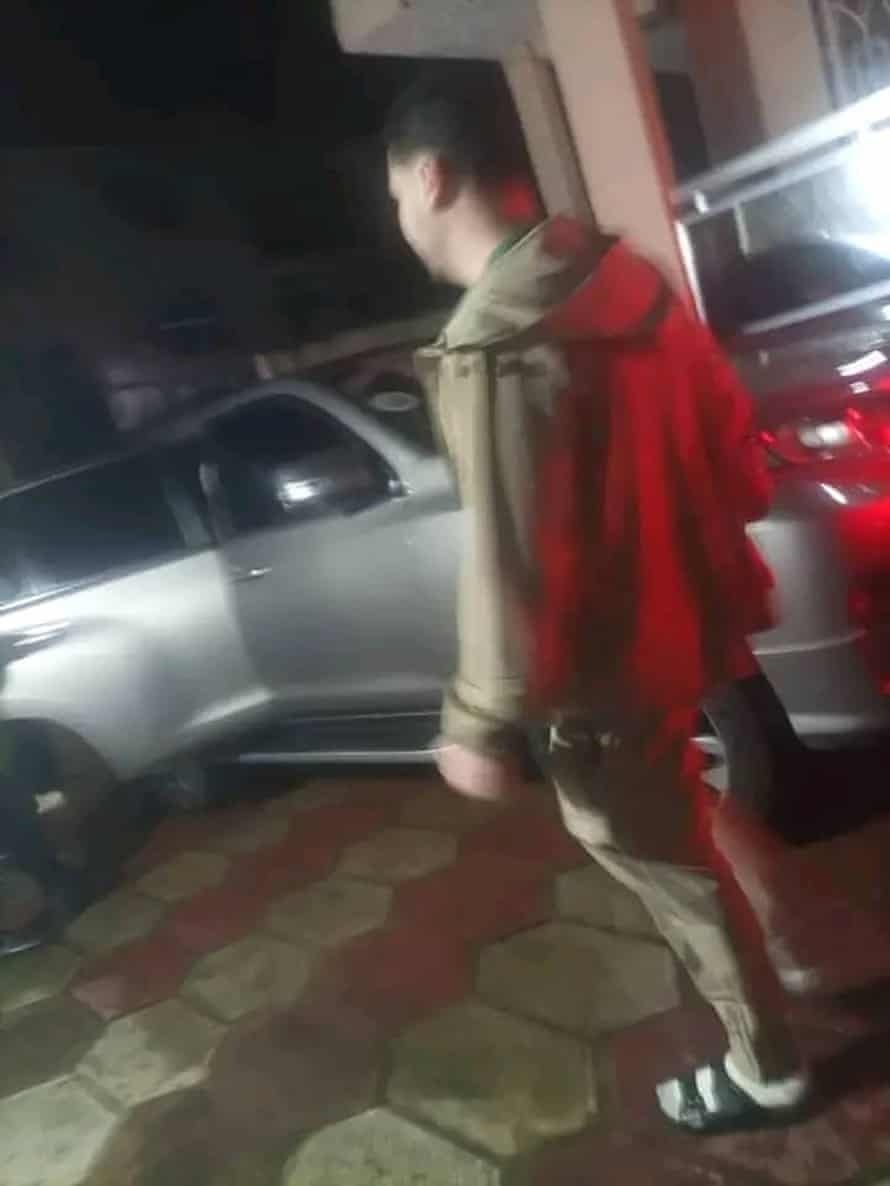
One of the report’s most troubling revelations is that Leijdekkers and members of his network allegedly use diplomatic passports to travel around the region with relative ease. Witnesses also told the newspaper that Liberian police applauded his convoy as it crossed the border into Liberia.
However, the report does not explicitly identify the country that issued the specific diplomatic passport Leijdekkers allegedly used to enter Liberia.

The distinction is important because the investigation separately reports that Sierra Leone’s immigration authorities secured a diplomatic passport for Leijdekkers. It does not establish that this was the document he used during his alleged journey into Liberia.
In an earlier investigation published in March 2025, The Guardian reported that Leijdekkers had a passport from Turkey, where he had previously lived after fleeing Dutch authorities. That report said it was unknown whether he also possessed Sierra Leonean documentation.
These reports raise questions about whether he possessed multiple travel documents and which, if any, were presented to Liberian immigration authorities.
Questions for Liberian Authorities
The Liberian government now faces questions that require clear and verifiable answers.
Did Leijdekkers enter Liberia, and, if so, on what date and through which border crossing? What passport or other travel document did he present? Was the document authentic, and was his identity checked against international law-enforcement databases?
Authorities must also clarify whether Liberian officials knew his identity or were aware of the international allegations against him at the time of his reported movements.
The reported conduct of police officers at the border warrants particular scrutiny. If officers applauded a convoy associated with a wanted fugitive, the Liberia National Police should establish who was involved, why they were present and whether any disciplinary or criminal violations occurred.
Nevertheless, the newspaper’s account should not be treated as proof that every officer involved knew the identity or alleged criminal activities of the people in the convoy.
Diplomatic Passports Are Not a License to Evade Justice
Diplomatic passports are official travel documents, but possession of one does not automatically grant diplomatic immunity. The legal privileges available to a passport holder depend on the person’s status, accreditation and applicable international law.
If a diplomatic passport was improperly issued or used to conceal the identity of a wanted criminal, that would raise serious concerns about document integrity, immigration controls and regional security.
Liberia must therefore establish whether its border procedures were followed and whether any official abused their position.
Liberia Cannot Afford Silence
The questions are especially significant following Liberia’s major cocaine seizures in 2026 and the continuing concerns about the use of West African countries as transit points for international drug trafficking.
The authorities should not rely on general statements about fighting drugs. They should provide a factual account of the alleged entry, the travel documents involved and any official contact with the people concerned, while protecting legitimate investigative information.
The Ministry of Foreign Affairs, the Liberia Immigration Service and the Liberia National Police should coordinate their responses. Where evidence of misconduct exists, the government should pursue an independent investigation and take appropriate action.
The central question remains unanswered: Which country’s diplomatic passport, if any, did Jos Leijdekkers use to enter Liberia?
Until Liberian authorities clarify that issue, questions about the country’s border controls and the alleged conduct of security personnel will remain.
For a country confronting the threat of international drug trafficking, transparency is not optional. It is essential to public confidence and national security.