The Guardian’s Explosive Allegations Demand Immediate Answers from Liberia’s Police and Justice Ministry
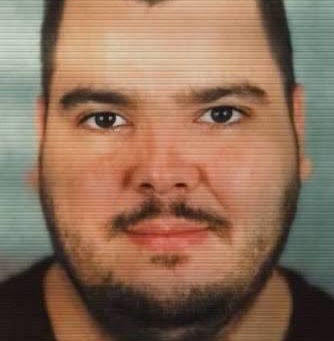
A disturbing report by British newspaper The Guardian about Dutch fugitive and suspected cocaine kingpin Jos Leijdekkers has raised serious questions about Liberia’s national security, border controls and the possible involvement of public officials in international drug trafficking.
The newspaper reported that witnesses saw Liberian police officers applauding Leijdekkers’ convoy as it crossed into Liberia. It also alleged that members of his network used diplomatic passports to facilitate their movements.
If verified, these allegations would represent a serious breach of public trust and raise troubling questions about the integrity of Liberia’s security institutions.
The Liberia National Police and the Ministry of Justice must respond publicly.
Did police officers actually cheer the convoy? Was it escorted by security personnel? Who authorized any such escort? Were diplomatic passports used to facilitate the alleged movements, and were immigration procedures properly followed?
These are questions the government cannot afford to ignore.
The allegations are particularly concerning given Liberia’s massive cocaine seizures in 2026, including approximately 3,971 kilograms of cocaine seized in Duazon and another 237.6 kilograms reportedly intercepted at Roberts International Airport.
The Guardian also reported possible connections between individuals associated with the cocaine cases and Leijdekkers. Those claims require independent investigation and must not be treated as conclusive proof of his involvement.
The government should examine border records, passport documentation, available surveillance footage and any evidence linking the suspects to international trafficking networks. Any official found to have abused public office or facilitated criminal activity must face the law.
Liberia cannot credibly claim to be fighting drug trafficking while leaving allegations of possible official complicity unanswered.
If the allegations are false, the authorities should provide evidence to clarify the facts. If they are substantiated, those responsible must be held accountable, regardless of their position or connections.
The government must also cooperate with relevant international law enforcement agencies to determine whether Liberia is being used as a safe passage or operational base for international drug traffickers.
Liberia’s fight against narcotics must go beyond seizing cocaine and arresting suspects. It must also investigate whether individuals within the security system are enabling criminal networks.
The central question is simple: If police officers applauded or escorted a wanted drug fugitive, who authorized their actions, and why?
The Liberia National Police and Ministry of Justice owe the public a clear, evidence-based explanation.
No individual, regardless of wealth, connections or diplomatic status, should be above the law.