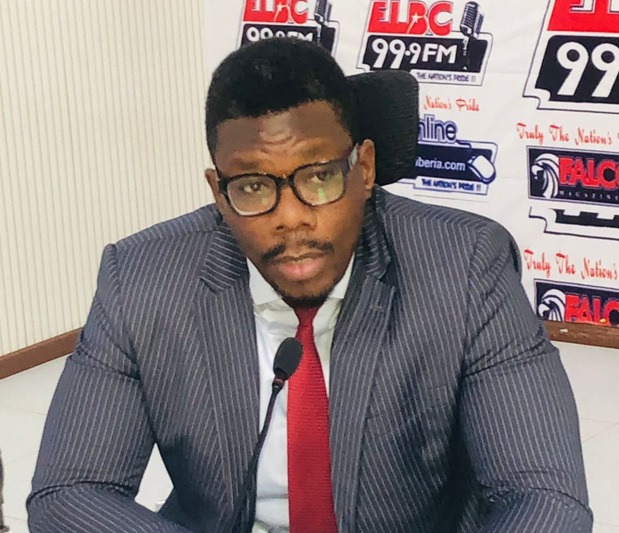
MONROVIA – As Liberia braces for a potential protest movement on July 17, former Coalition for Democratic Change (CDC) 2023 presidential campaign spokesman, Cllr. Kanio Bai Gbala, has issued a cautionary statement urging political actors and civil society leaders to pursue governance reform through more strategic and evidence-based approaches. In a reflective commentary, Gbala acknowledged that while public protest is a constitutional right, Liberia’s history demonstrates that mass demonstrations often result in tragic consequences without achieving the desired reforms.
Referencing the 1979 Rice Riots and subsequent periods of civil unrest in the 1980s and 1990s, Gbala said many protests, though born of legitimate frustrations, have resulted in loss of life, destruction of property, and deeper hardship for the country’s most vulnerable citizens. “Too often, these moments have disrupted our fragile economic progress and stifled the functioning of the state,” he wrote.
Gbala argued that the path to meaningful change in Liberia demands “disciplined, deliberate engagement” rather than spontaneous protest. He advised leaders of the July 17 Movement to document, in detail and by date, any alleged constitutional violations or governmental overreach and formally present them to President Joseph Boakai in a structured meeting. Such a step, he believes, would demonstrate both accountability and a commitment to democratic dialogue and institutional reform.
“Armed with evidence, seek a formal audience with His Excellency President Joseph N. Boakai and present your case with clarity and conviction,” Gbala urged. He emphasized that this approach would not only hold leadership accountable but also promote constructive national discourse.
Anticipating criticism that his position could be viewed as an attempt to weaken the right to dissent, Gbala acknowledged that some might compare his current caution to past support for protests by the Unity Party. However, he maintained that “emulating the missteps of the past does not legitimize them in the present.”
Gbala concluded with a call for Liberians to shape a new democratic culture, one where dissent is thoughtful and purposeful, not merely reactive. “Only then can we build the kind of democratic society our forebears envisioned and our children deserve,” he wrote.