By Socrates Smythe Saywon | Smart News Liberia
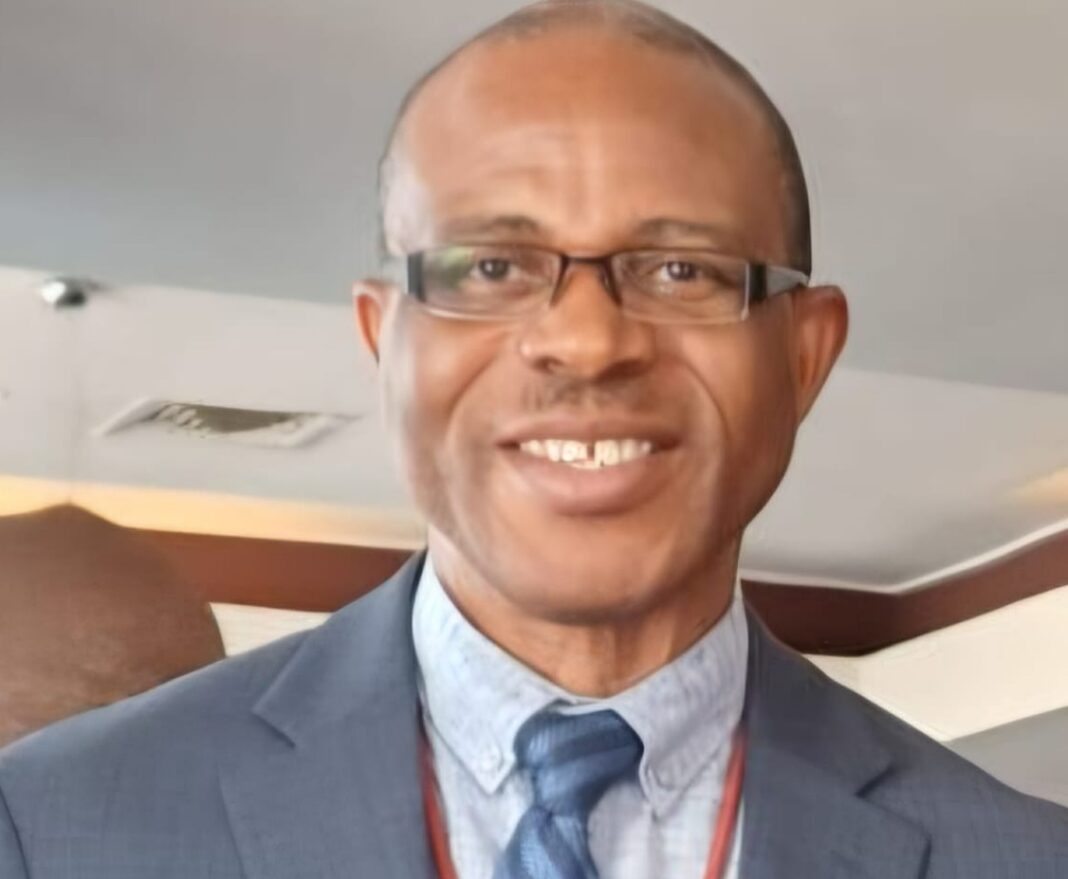
MONROVIA – Dougbeh Chris Nyan has called for an independent nationwide investigation into a series of viral hemorrhagic fever alerts and suspected Ebola-related scares in Liberia over the past eighteen months, warning that repeated controversies, conflicting public health messages, and growing distrust are rapidly eroding public confidence in the country’s health authorities.
Dr. Nyan’s remarks on Tuesday, May 26, 2026, come at a highly sensitive moment as Liberia intensifies Ebola surveillance measures following renewed outbreaks in Uganda and the Democratic Republic of Congo, two countries currently battling the deadly virus under heightened international scrutiny.
The respected Liberian health expert and former public health leader argues that the controversy surrounding nurse Paola Bedell should not simply be dismissed as “rumor mongering,” but instead should trigger deeper national reflection about transparency, accountability, and consistency within Liberia’s public health response system.
“An independent comprehensive investigation is needed to assure trust and confidence from the public that is fast eroding,” Dr. Nyan declared in a strongly worded statement released amid growing public anxiety over Ebola-related claims circulating across Liberia.
His comments emerged shortly after the National Public Health Institute of Liberia announced that sixteen individuals who recently arrived from East African countries, including Uganda and the Democratic Republic of Congo, are currently under active screening and surveillance in Liberia as part of enhanced Ebola preparedness measures.
Although NPHIL stressed that Liberia has not recorded any confirmed Ebola case, the revelation that multiple travelers from Ebola-affected regions are under monitoring has intensified public concern in a country still haunted by memories of the devastating 2014–2016 Ebola epidemic.
That outbreak remains one of the darkest chapters in Liberia’s modern history. More than 4,800 Liberians lost their lives while hospitals collapsed under pressure, healthcare workers died in large numbers, businesses shut down, and fear spread across communities faster than official information could contain it.
Today, renewed Ebola outbreaks in Uganda and the Democratic Republic of Congo are again placing African health systems on high alert. The World Health Organization recently classified the outbreaks as a Public Health Emergency of International Concern amid fears of regional spread and increased international travel-related risks.
Against this tense backdrop, Dr. Nyan outlined what he described as three separate Ebola or viral hemorrhagic fever alarms in Liberia that later generated controversy, confusion, or conflicting conclusions from authorities.
According to him, the first incident occurred on December 9, 2024, when the John F. Kennedy Medical Center reportedly issued an internal memo warning of a suspected hemorrhagic fever outbreak in neighboring Sierra Leone. The memo allegedly mobilized staff for outbreak response before no confirmed outbreak materialized.
The second incident referenced by Dr. Nyan involved a September 10, 2025 memorandum issued by Louise Mapleh Kpoto warning county health teams in southeastern Liberia about a suspected viral hemorrhagic fever case. According to Dr. Nyan, the alert triggered fear and panic across several counties, with healthcare workers reportedly quarantined before NPHIL later detected no confirmed hemorrhagic fever outbreak.
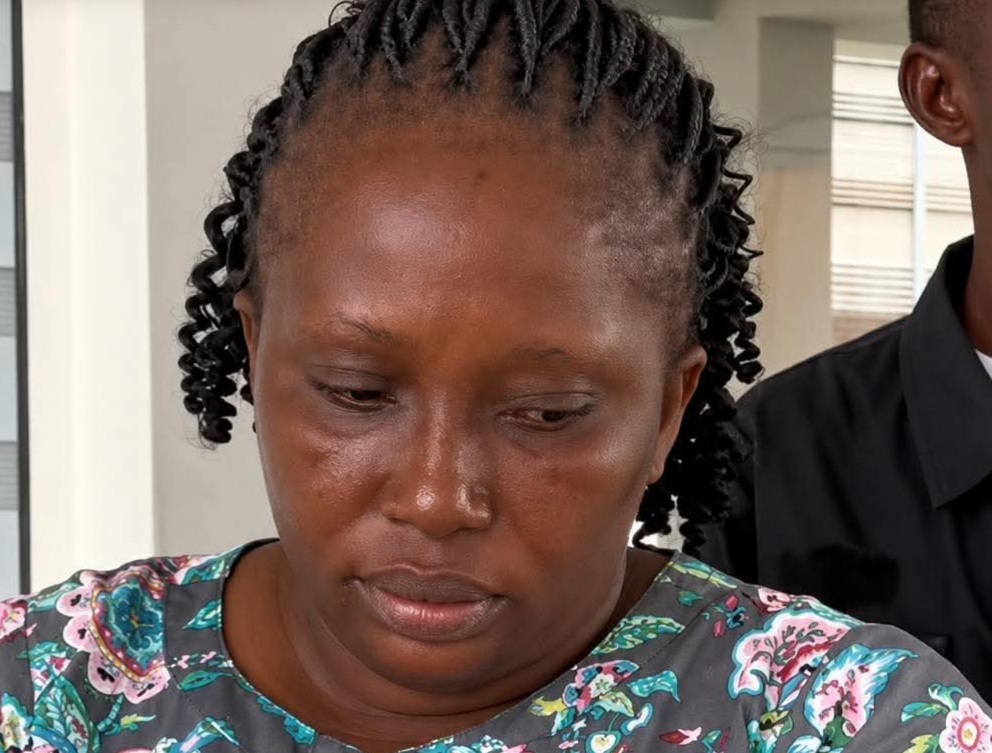
The latest controversy centers around nurse Paola Bedell, whose circulation of an Ebola-related precautionary voice note following an internal training session at JFK Medical Center led to her arrest, interrogation, and intense public backlash. Bedell has maintained that the information she shared originated from professional health briefings involving frontline workers and was intended as a precautionary warning rather than deliberate misinformation.
Dr. Nyan questioned whether fairness and transparency are being applied consistently in the handling of such sensitive public health matters. “If fairness must be applied in public health safety, then the pendulum of justice should not be tilted to the advantage of those in the corridors of power, but must be blind and balanced,” he stated.
His remarks reflect growing public concern over whether Liberia’s health institutions are adequately balancing the need to prevent panic with the equally important responsibility of maintaining transparency during potential public health threats.
The controversy also exposes Liberia’s lingering vulnerability to fear-driven reactions whenever Ebola resurfaces in public discussion. During the previous epidemic, misinformation, delayed communication, public distrust, and institutional weaknesses severely complicated response efforts and fueled widespread panic throughout the country.
Dr. Nyan emphasized that public health institutions have a duty to remain transparent, ethical, timely, and accountable while ensuring accurate diagnoses and effective institutional responses during health emergencies. He warned that suppressing concerns without clear communication risks damaging already fragile public trust.
At the same time, the health expert urged Liberians not to become complacent regardless of whether Ebola cases are officially confirmed. He encouraged continued adherence to preventive health measures, including regular handwashing, sanitizing, avoiding handshakes and crowded gatherings, and immediately reporting suspicious symptoms to nearby health facilities.
As Liberia responds to fresh Ebola threats emerging from East and Central Africa, the country now faces a difficult balancing act between preventing unnecessary panic and maintaining public confidence through transparency. For many Liberians, the fear surrounding Ebola is not merely medical. It is emotional, psychological, and deeply connected to painful national memories that continue to shape public reactions more than a decade after the deadly epidemic first devastated the country.